Moving to Los Angeles? Here's What Actual Residents Wish They'd Known
From navigating traffic to finding your neighborhood, longtime locals share the unglamorous truths about relocating to LA.
From navigating traffic to finding your neighborhood, longtime locals share the unglamorous truths about relocating to LA.
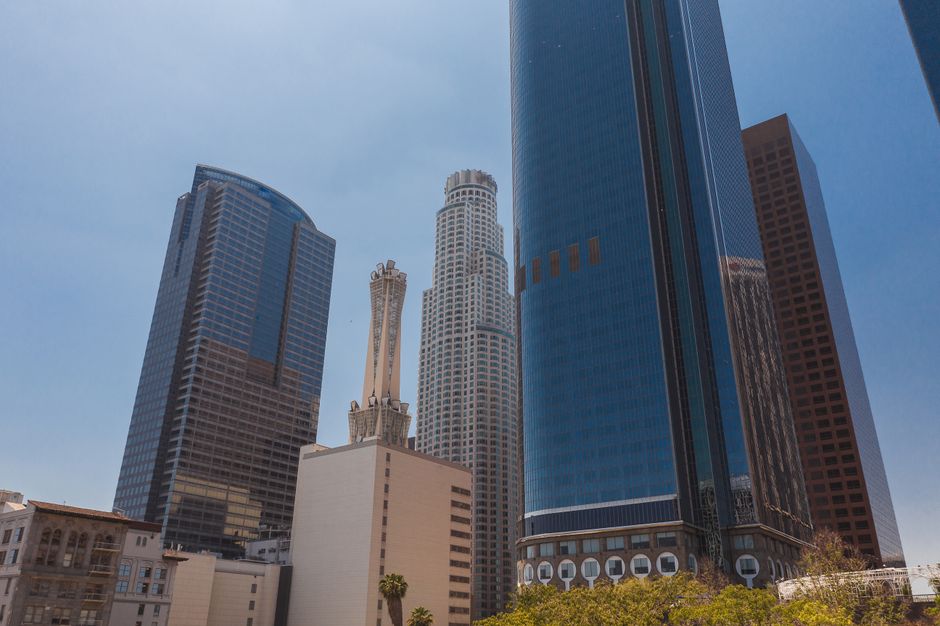
Los Angeles welcomes roughly 300,000 newcomers annually, yet many arrive expecting palm trees and movie magic, only to face gridlock and $2,400-average one-bedroom rents. We spoke with long-term residents across the city's sprawling landscape to understand what relocation guides miss.
"The first thing people misunderstand is distance," explains one Highland Park resident of eight years. "Silver Lake to Santa Monica isn't 30 minutes—it's 90 on a Tuesday morning." Traffic remains the city's defining feature. Download Waze immediately. Seriously. And when choosing where to live, remember that LA isn't one city but dozens: arts-focused Downtown, family-friendly Pasadena, beach communities in Santa Monica and Manhattan Beach, and increasingly affordable emerging neighborhoods like Boyle Heights and Highland Park. Budget accordingly—that $1,800 apartment in Eagle Rock differs vastly from comparable square footage in Brentwood.
One Koreatown professional, here five years, emphasizes communities. "The 'everyone's a loner' stereotype is false," she notes. "But you have to actively join things." Meetup groups, neighborhood associations, and institution-based communities—from climbing gyms to yoga studios—are how LA residents build networks. The city's sprawl means intentional effort replaces organic connections.
Logistics matter significantly. A West LA newcomer recommends registering your vehicle immediately; California's registration process takes weeks. Open a bank account at a branch-heavy institution like Wells Fargo or Bank of America—many boutique banks lack ATMs in sprawling LA. Healthcare access varies dramatically by neighborhood; research hospital affiliations before signing a lease.
Climate expectations often disappoint. While rain is scarce, that means drought-conscious landscaping, water restrictions, and dusty summers. "People arrive expecting year-round sunshine," one Long Beach resident notes. "It's true, mostly. But June Gloom—overcast coastal mornings—is real from May through June. And it's expensive to cool a home in 95-degree heat."
For social life, understanding LA's car-dependent geography prevents isolation. Make your first friends through work or established organizations—church groups, professional associations, hobby clubs. The social ecosystem relies less on neighborhood spontaneity than other cities.
Finally, financially: costs exceed most newcomers' expectations. Parking, car insurance, utilities, and groceries run higher than national averages. Many residents recommend arriving with three to six months' savings, not two.
LA rewards patient, intentional newcomers. Skip the tourist narrative. Embrace the car culture. Join communities actively. Budget honestly. Within a year, most residents find genuine connection in a city stereotyped as isolating.
This article was compiled by AI from the sources linked above and screened before publishing. See our editorial standards.
How does this story make you feel?
Spread the word
About this article
Published by The Daily Los Angeles
Daily brief
Free, in your inbox before 7am. Weekdays.
More in lifestyle