Your Practical Guide to Discovering LA's Best Neighbourhoods Without the Tourist Traps
From Silver Lake's indie coffee culture to Downtown's revitalized arts scene, here's how to explore Los Angeles like a resident who actually knows where to go.
From Silver Lake's indie coffee culture to Downtown's revitalized arts scene, here's how to explore Los Angeles like a resident who actually knows where to go.
Los Angeles sprawls across 500 square miles, which means neighbourhood exploration requires strategy. Whether you're new to the city or finally ready to venture beyond your zip code, understanding LA's distinct communities—and how to navigate them—transforms your relationship with this sprawling metropolis.
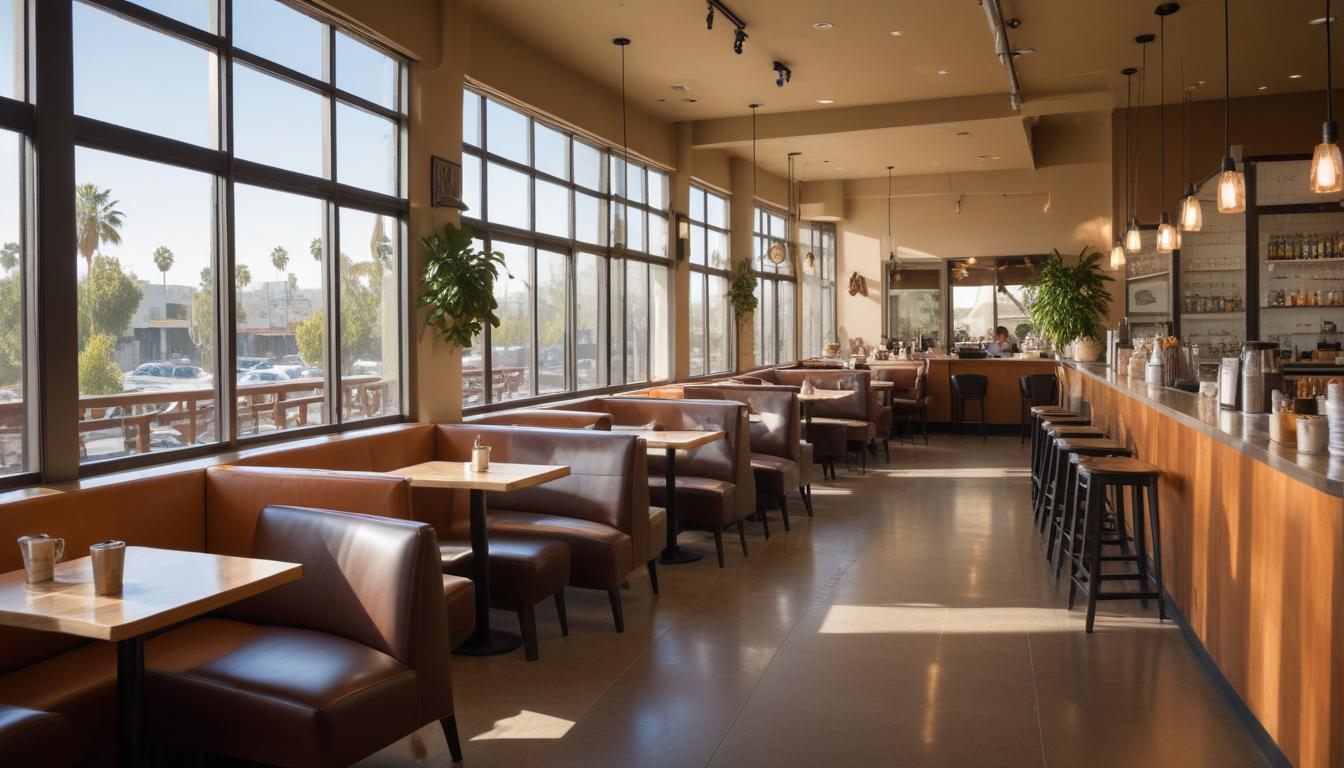
Start with Silver Lake and Los Feliz, where independent businesses dominate. The intersection of Sunset Boulevard and Hyperion Avenue anchors this creative hub: vintage record shops, third-wave coffee roasters, and family-owned restaurants cluster here. Parking challenges are real, so arrive before 10 a.m. on weekends or use the Metro Red Line, which connects directly to Downtown. Budget $4-7 for coffee and $15-22 for lunch at neighbourhood staples.
Downtown LA's transformation over the past decade has been remarkable. The Arts District, roughly bounded by 1st Street and the LA River, now hosts galleries, street murals, and weekend markets. The Broad museum (Grand Avenue) remains essential—plan two hours minimum. Parking garages cost $5-12. The Grand Central Market (3rd Street) offers affordable dining and genuine local flavour: expect $8-15 per meal.
For beach-adjacent living, Santa Monica and Venice offer different vibes. Santa Monica's Third Street Promenade remains busy but functional for shopping and dining. Venice's Abbot Kinney Boulevard delivers bohemian authenticity: bookstores, craft breweries, and farmers markets. Both neighbourhoods have paid parking ($2.50-5 per hour), but the experience rewards exploration. Coastal walks from Will Rogers State Beach northward reveal quieter stretches where locals actually swim.
Atwater Village and Eagle Rock represent emerging neighbourhoods attracting young families and professionals. Colorado Boulevard in Eagle Rock now supports twenty-plus independent restaurants within a half-mile stretch. These areas remain genuinely affordable compared to established west-side communities, with neighbourhood coffee at $3.50-5 and dinner at $12-20.
Use these practical tools: the Metro app for public transit planning (a single trip costs $1.75), Google Maps for neighbourhood-specific restaurant discovery, and Nextdoor for hyper-local recommendations. Most neighbourhoods have community boards and Instagram accounts dedicated to events and openings.
The key insight? LA rewards intentional exploration. Choose one neighbourhood, dedicate three hours, park centrally, and walk. Skip the Hollywood Walk of Fame and the Griffith Observatory crowds—instead, discover the actual city where two million residents live. That's where Los Angeles reveals itself.
This article was compiled by AI from the sources linked above and screened before publishing. See our editorial standards.
How does this story make you feel?
Spread the word
About this article
Published by The Daily Los Angeles
Daily brief
Free, in your inbox before 7am. Weekdays.
More in lifestyle