Silver Lake's Working-Class Soul Transforms as Millennials Age Out and Young Families Move In
The historic East LA neighbourhood is shedding its artist reputation for a new identity centred on schools, stability, and surprising affordability.
The historic East LA neighbourhood is shedding its artist reputation for a new identity centred on schools, stability, and surprising affordability.
Silver Lake in 2026 looks nothing like the bohemian enclave of a decade ago. Where vintage record shops and art galleries once dominated Sunset Boulevard and Reservoir Drive, family-friendly cafés and children's boutiques now occupy prime corners. The transformation reflects a broader shift in Los Angeles's urban landscape: the neighbourhood is experiencing a quiet but significant demographic reset.
Real estate data tells the story. Average home prices in Silver Lake hover around $1.2 million—steep by most standards, yet dramatically lower than neighbouring Los Feliz, where comparable properties fetch $1.8 million. This relative affordability, combined with Silver Lake's proximity to top-rated schools like Los Angeles Unified School District's Silver Lake Elementary, has made it increasingly attractive to families aged 35-50 who came of age here as renters and now have children to raise.
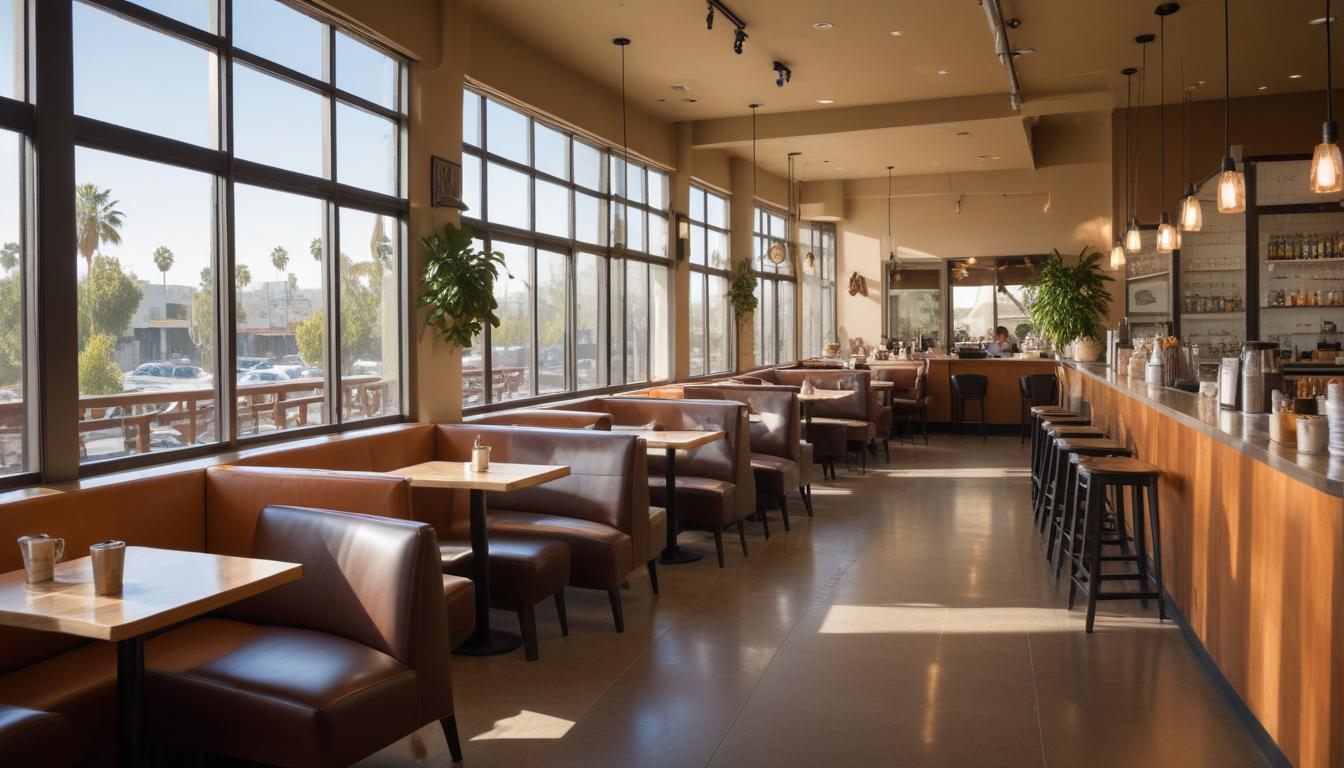
The neighbourhood's commercial corridors are responding in kind. Along Reservoir Drive, longtime venues like Frogtown Collaborative studio space have quietly shifted focus toward family programming. Meanwhile, new arrivals—organic grocery stores, pediatric wellness centres, and bookshops stocking substantial children's sections—suggest retailers are banking on demographic permanence rather than transient creative types.
But this evolution raises uncomfortable questions about preservation and displacement. Long-time residents, particularly along the neighbourhood's more affordable eastern stretches near Glendale Boulevard, are watching rental prices climb. A two-bedroom apartment that rented for $1,600 in 2020 now commands $2,100. The Los Angeles Tenants Union reports Silver Lake complaints about rent increases have risen 34% since 2024.
Yet the neighbourhood isn't entirely losing its creative character. Organizations like the Silver Lake Community Conservancy are actively advocating for mixed-income development and artist-friendly zoning, while galleries on the western side near Echo Park continue attracting serious collectors. The iconic Silver Lake Reservoir, recently reopened to walkers after decades of closure, has become a unifying community asset that bridges old and new residents.
What's emerging is neither pure nostalgia nor wholesale gentrification, but rather a neighbourhood negotiating its identity. Young families sip oat-milk lattes where artists once plotted revolutions. The result feels quintessentially Los Angeles: messy, contradictory, and endlessly in flux. Whether Silver Lake can sustain its working-class roots while accommodating its new demographic will define not just this neighbourhood, but the city's livability for the next generation.
This article was compiled by AI from the sources linked above and screened before publishing. See our editorial standards.
How does this story make you feel?
Spread the word
About this article
Published by The Daily Los Angeles
Daily brief
Free, in your inbox before 7am. Weekdays.
More in lifestyle