Why LA's Transport Culture Is Unlike Any Other Global City
From car-centric sprawl to reinvented transit corridors, Los Angeles has created a uniquely American—and increasingly complex—commuting ecosystem.
From car-centric sprawl to reinvented transit corridors, Los Angeles has created a uniquely American—and increasingly complex—commuting ecosystem.
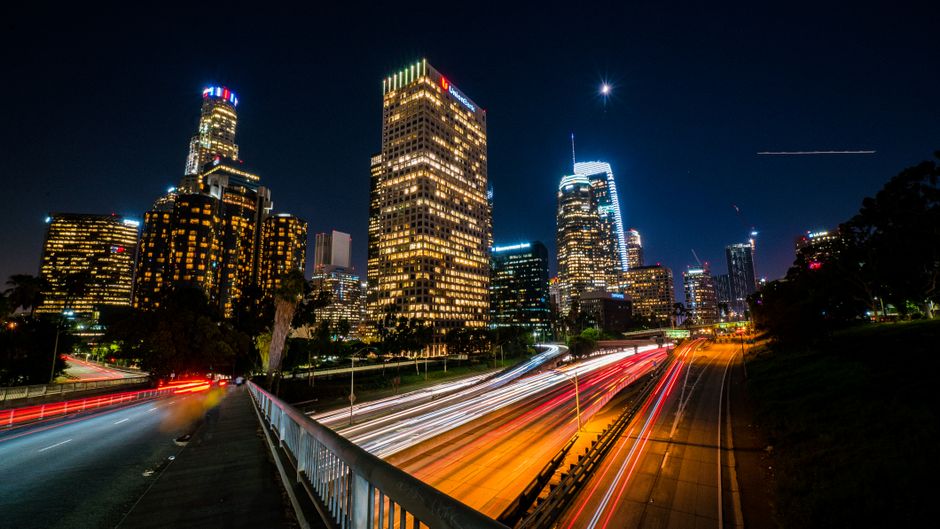
Getting around Los Angeles has never fit the mold of traditional global metropolises. Unlike London's Underground or Tokyo's rail network, this sprawling city of nearly four million people was built on the promise of the open road, and that car culture remains the heartbeat of daily life here in 2026.
Yet LA's transport story has shifted dramatically over the past decade. The Metro system, once dismissed as a afterthought, now carries over 1.5 million riders weekly across 28 lines stretching from Long Beach to the San Fernando Valley. The K Line along Crenshaw Boulevard and the Silver Line's dedicated bus lanes on I-110 represent something genuinely novel: retrofitting a car-centric city with world-class transit infrastructure that doesn't require you to abandon your vehicle culture wholesale.
What makes this uniquely LA is the hybrid approach. In Paris or Singapore, commuting follows predictable patterns: efficient public transit handles the masses. Here, you get something messier and more distinctly Californian—a patchwork where a tech executive might take the Metro from Silver Lake to downtown, while a construction worker drives their truck from the San Gabriel Valley, and a service industry employee bounces between three rideshare pickups and a bus journey.
The cost reflects this complexity. A Metro monthly pass runs $86, substantially cheaper than most major cities, yet most Angelenos still spend $200-300 monthly on gas and parking. A parking spot in Santa Monica or Beverly Hills can exceed $2,000 monthly, creating bizarre economic incentives where even wealthy professionals calculate transit options.
What truly distinguishes LA is its geographic scale—the city sprawls across roughly 500 square miles, with employment scattered across multiple centers: downtown, the Westside, the San Fernando Valley, Long Beach. Tokyo or Singapore conquered this through extreme density. LA solved it through automotive freedom, though "freedom" increasingly means sitting in traffic on the 405 or 101.
The emerging reality is that LA's transport future won't resemble other global cities. We're not abandoning cars for trains. Instead, we're creating overlapping systems—expanded Metro service, expanding bike lanes on streets like the Protected Bike Path on LA Street, growing e-scooter networks, and yes, still driving. It's inefficient by textbook standards, but it's authentically Los Angeles: accommodating dozens of different lifestyles and commuting patterns simultaneously.
That's what makes this city's transportation landscape genuinely unique—not better than global peers, but distinctly ours.
This article was compiled by AI from the sources linked above and screened before publishing. See our editorial standards.
How does this story make you feel?
Spread the word
About this article
Published by The Daily Los Angeles
Daily brief
Free, in your inbox before 7am. Weekdays.
More in lifestyle