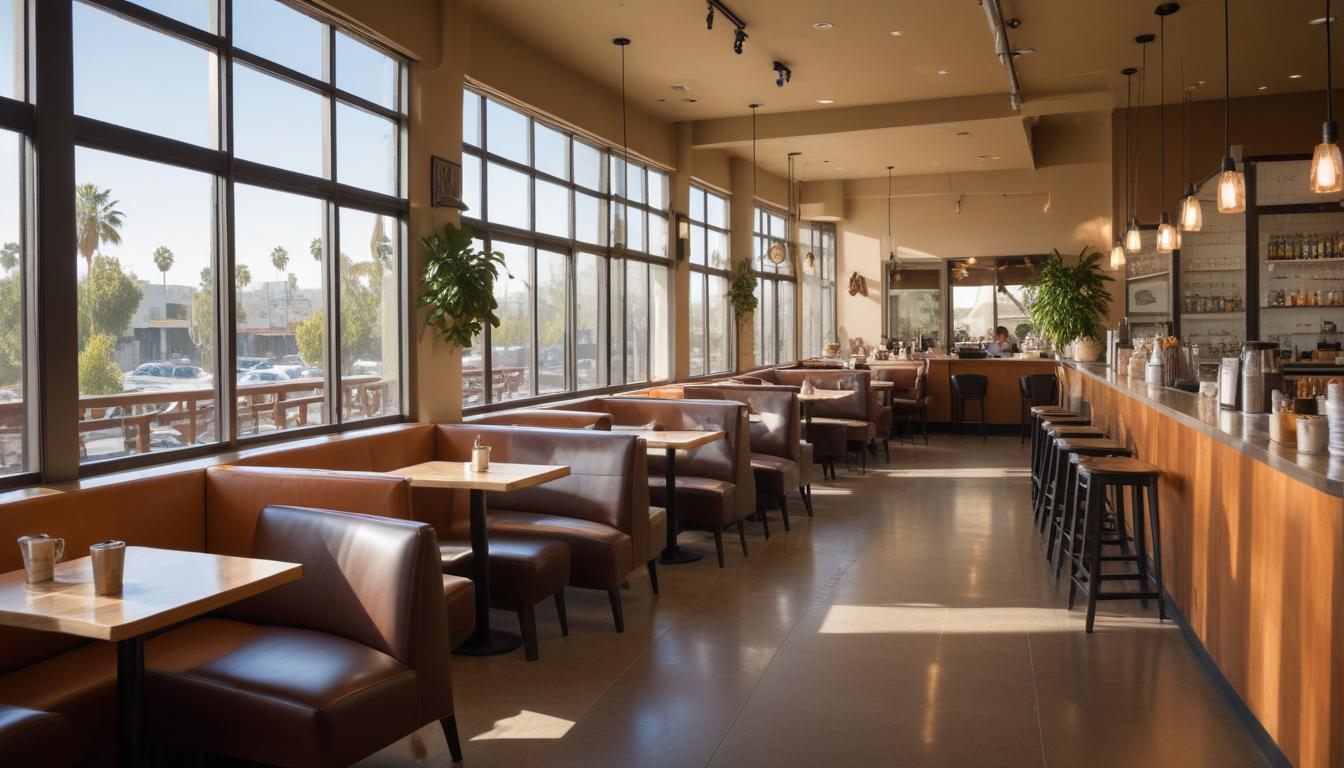
Walk into Los Feliz Pub on Vermont Avenue on any given Friday night, and you'll witness something increasingly rare in 2026 Los Angeles: a genuine neighborhood gathering place. The jukebox cycles through decades of vinyl while regulars occupy their usual corner stools, creating a social rhythm that transcends the typical transactional relationship between bar and customer.
This character—authentic, rooted, communal—defines what's happening across LA's most distinctive neighborhoods right now. While the city's bar scene has traditionally fragmented into Instagram-worthy destination spots and high-volume tourist traps, a counter-movement is reshaping how Angelenos actually socialize.
In Silver Lake, where dive bars still outnumber craft cocktail lounges, venues like The Smell on Main Street function as de facto community centers. Beyond serving drinks at reasonable prices—most pours between $6 and $10—these spaces host everything from local music showcases to neighborhood organizing meetings. The bar becomes infrastructure for the neighborhood itself.
Downtown's Arts District tells a different story. Five years ago, the area's bar scene catered primarily to young professionals from outside the neighborhood. Today, longtime residents have reclaimed spaces around Central Avenue and the railway lofts, creating an environment where service workers, artists, and families from surrounding communities actually spend their evenings. According to the LA Business Journal, neighborhood foot traffic at Arts District bars increased 34% between 2024 and 2025.
Echo Park's bar culture reflects something equally important: multigenerational socializing. The neighborhood's Armenian, Latino, and Asian communities have long gathered at neighborhood establishments, but recent years have seen younger professionals moving in without displacing these patterns. Successful venues now bridge these groups intentionally, hosting trivia nights and karaoke in multiple languages.
What emerges across these neighborhoods isn't revolutionary—it's simply the restoration of what urban bars historically provided: predictable, affordable social space. At a time when many LA neighborhoods feel increasingly atomized, fragmented by apps and screens, these venues serve a deeper function than commerce.
The data supports this. A 2025 UCLA survey found that 68% of Angelenos cite local bars as their primary in-person social hub outside of work and family. That number rises to 81% in neighborhoods like Los Feliz, Silver Lake, and Echo Park—areas where bar culture remains genuinely local.
These aren't necessarily the bars making headlines in lifestyle magazines. They're the ones making neighborhoods feel like neighborhoods—places where community character gets poured one glass at a time.
This article was compiled by AI from the sources linked above and screened before publishing. See our editorial standards.