Why Los Angeles Parents Are Raising Kids in a City Like No Other
From industry connections to outdoor classrooms, LA's parenting landscape offers opportunities and challenges that set it apart globally.
From industry connections to outdoor classrooms, LA's parenting landscape offers opportunities and challenges that set it apart globally.
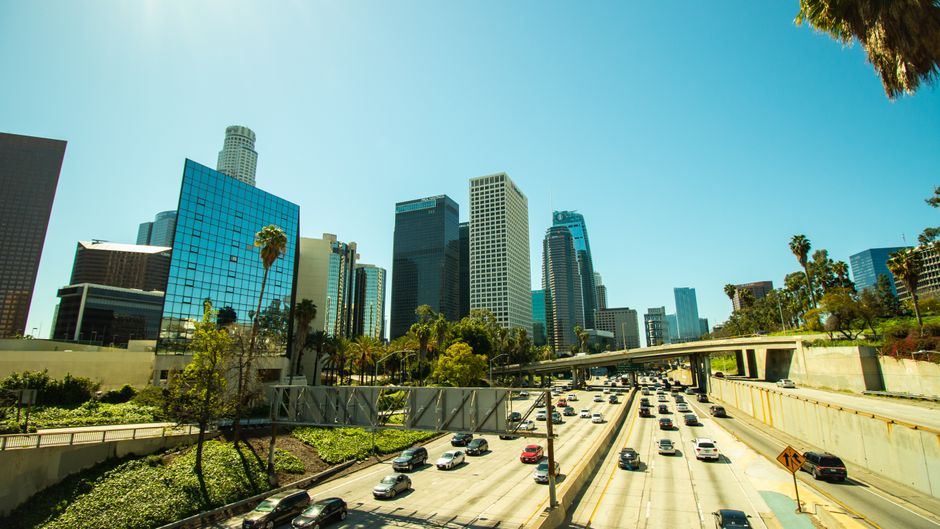
Raising children in Los Angeles means navigating a city that operates by fundamentally different rules than anywhere else on Earth. While parents in London worry about grammar school entrance exams and those in Singapore navigate ultra-competitive tuition-based systems, LA families contend with something uniquely Californian: a sprawling metropolis where your child's school district can vary wildly depending on which side of Sunset Boulevard you live on, and where industry connections sometimes matter as much as test scores.
The entertainment and tech industries that define LA create parenting opportunities simply unavailable elsewhere. A teenager interested in filmmaking doesn't just study it theoretically—they can intern at studios in Burbank or attend programs at places like the Los Angeles Film School in Hollywood. Parents with connections in venture capital or production open doors that don't exist in traditional educational hierarchies. This democratizes certain opportunities while reinforcing others, creating a peculiar class dynamic.
Yet this comes with trade-offs. Los Angeles Unified School District, serving over 420,000 students across the sprawling district, faces chronic challenges that push affluent families toward private alternatives. Tuition at top-tier schools like Harvard-Westlake in Studio City or Bel Air Prep runs $30,000-$45,000 annually—a barrier most global families also face, but the sheer concentration of wealth here makes inequality conspicuous.
What truly distinguishes LA parenting is the outdoor lifestyle baked into childhood. Kids routinely hike Runyon Canyon, explore tide pools at Malibu, and attend year-round sports in neighborhoods like Hancock Park and Los Feliz. The mild climate means playground culture thrives; parents gather at Griffith Park or Laurel Canyon Park in ways that northern counterparts simply cannot match during winter months. This outdoor emphasis shapes development differently—children here gain confidence in natural environments earlier.
Transportation pressures also set LA apart. Unlike parents in Tokyo or Paris who rely on robust public transit, LA families navigate traffic as a daily reality, often shuttling kids across vast distances to schools, activities, and social commitments. This shapes family logistics in ways specific to the car culture here.
The city's immigrant diversity—with neighborhoods like Koreatown, Thai Town, and El Pueblo offering multilingual populations—creates organic language and cultural learning unavailable in more homogeneous cities. Yet school segregation persists, complicating the promise of integration.
Ultimately, LA parenting reflects the city itself: ambitious, unequal, connected to global industries, blessed with natural advantages, and perpetually negotiating between democratic ideals and market-driven realities. It's a distinctly Los Angeles experience.
This article was compiled by AI from the sources linked above and screened before publishing. See our editorial standards.
How does this story make you feel?
Spread the word
About this article
Published by The Daily Los Angeles
Daily brief
Free, in your inbox before 7am. Weekdays.
More in lifestyle