LA's Tech Boom Reshapes Job Market Across 3 Districts
Downtown, Santa Monica, and Culver City startups compete for talent, driving up engineer wages and transforming where workers choose to live.
Downtown, Santa Monica, and Culver City startups compete for talent, driving up engineer wages and transforming where workers choose to live.
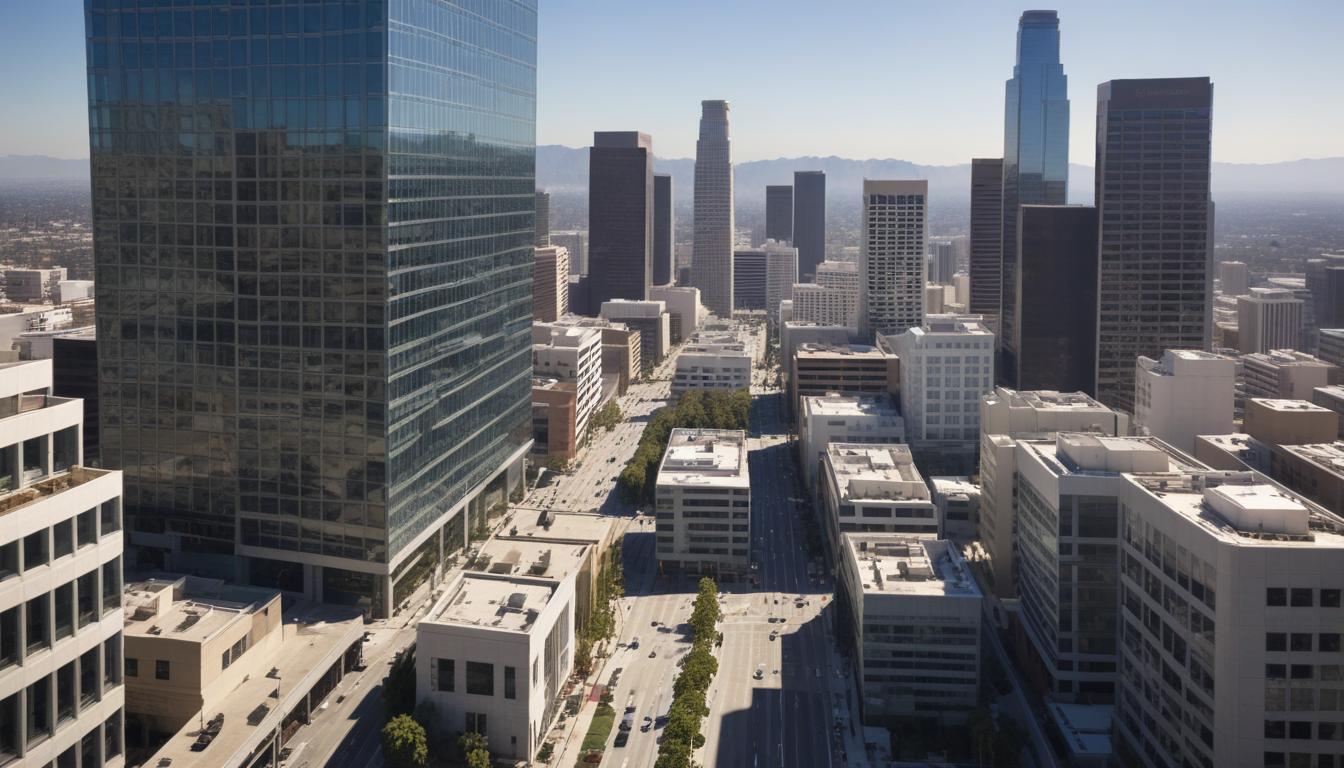
Los Angeles's startup ecosystem has undergone a seismic shift over the past 18 months, and the ripple effects on the local job and talent market are impossible to ignore. What once centered narrowly around Santa Monica and Venice Beach has exploded into a multi-nodal network spanning Downtown LA, Culver City, and emerging pockets in Silver Lake and Los Feliz—fundamentally altering where companies recruit, where workers live, and how much they can command in salary.
The numbers tell a compelling story. According to recent data from the Los Angeles County Economic Development Corporation, startup hiring across the region has grown 34 percent year-over-year, with particular strength in AI, climate tech, and entertainment technology sectors. Average software engineer salaries in LA now hover around $185,000 base compensation, a 22 percent increase from three years ago—still below San Francisco levels but enough to make the market genuinely competitive.
The geographic expansion is particularly significant. Downtown LA's Arts District and Central City East, long synonymous with galleries and lofts, now hosts venture-backed companies in converted warehouse spaces along Mateo Street and Industrial Boulevard. Rents for office space have climbed to $35-45 per square foot annually in these neighborhoods, versus $55-65 in Santa Monica—a price differential that's attracting mid-stage startups seeking to expand without committing to premium coastal real estate.
This dispersal is reshaping talent migration patterns. Companies can now recruit from diverse talent pools rather than concentrating in affluent westside neighborhoods. A software engineer or product designer no longer needs to choose between career ambition and housing affordability. The spillover has energized neighborhoods like Culver City, where the Overland Avenue corridor is becoming a secondary tech hub, and Los Feliz, where younger founders are establishing offices in converted commercial spaces.
Yet this growth presents tensions. Landlords and building owners have begun replacing light-industrial tenants and small galleries with tech-focused office conversions. Long-term residents worry about gentrification acceleration, particularly as younger, higher-paid tech workers move into historically Latino and working-class neighborhoods. Community boards in Los Feliz and Boyle Heights have become more vocal about impact assessments.
Venture capitalists and economic development officials argue the trend strengthens LA's overall economy. The startup ecosystem generates high-wage jobs, attracts investor capital from abroad, and validates LA's position as a global innovation hub beyond entertainment. But the human cost—displacement, rapidly shifting neighborhood character, wage competition across sectors—remains contested territory in a region already grappling with housing scarcity and affordability crises.
This article was compiled by AI from the sources linked above and screened before publishing. See our editorial standards.
How does this story make you feel?
Spread the word
About this article
Published by The Daily Los Angeles
Daily brief
Free, in your inbox before 7am. Weekdays.
More in Business


