The story behind the scene and the people who created it
As summer temperatures climb, Los Angeles’ cultural producers are transforming neglected urban corners into vital hubs of connection.
As summer temperatures climb, Los Angeles’ cultural producers are transforming neglected urban corners into vital hubs of connection.
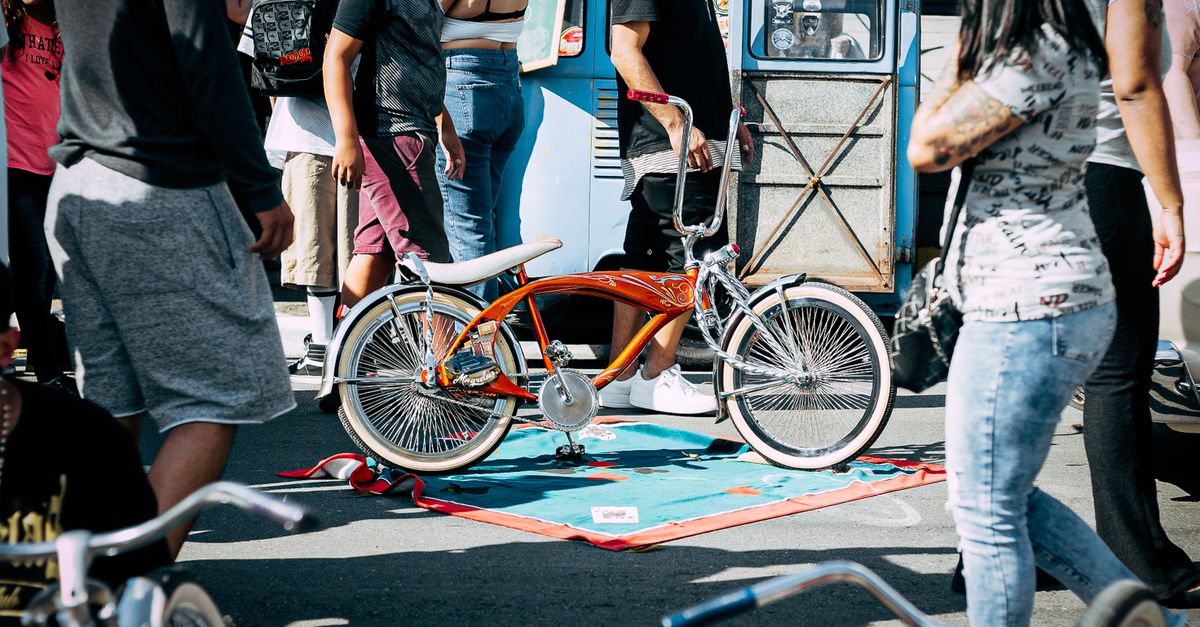
This weekend, the intersection of art and infrastructure takes center stage in Los Angeles as independent organizers debut a series of pop-up installations along the Los Angeles River. The programming, which draws from the city’s deep roots in street art and community advocacy, serves as a focal point for a shifting cultural landscape that increasingly favors localized, grass-roots engagement over traditional gallery settings.
The curators behind this movement-a coalition involving the Arts District Community Council and local landscape architects-have focused their efforts on reclaiming public space near the East Fourth Street Bridge. The initiative stems from an effort to bridge the gap between historic industrial zones and the rapidly evolving residential density of the surrounding neighbourhoods. By integrating temporary performance art with environmental reclamation, these organizers are creating a platform that prioritizes public interaction over static exhibition.
For residents of Boyle Heights and the neighboring Arts District, the activation of these river-adjacent spaces marks a departure from typical weekend programming. The focus is on the logistics of the production: scaffolding that mimics local warehouse architecture and lighting rigs powered by localized solar arrays. The people behind the scene are predominantly local makers and community organizers who have spent the better part of the year negotiating municipal permits and safety compliance for the riverbeds.
The economic footprint of these small-scale, site-specific events often flies under the radar of broader city-wide assessments. However, the collaborative nature of this weekend's events highlights the reliance on neighborhood-level support networks. According to public records from the Los Angeles Department of Cultural Affairs, there has been an observable uptick in permit applications for non-traditional performance spaces across the Downtown district compared to the same period in previous years. Funding for such endeavors remains highly reliant on private grant distributions and local community fundraising efforts rather than centralized municipal budgets.
Those planning to attend should prioritize public transit, as the proximity of the events to the Metro A Line’s Little Tokyo/Arts District station is a key component of the logistical planning by the site managers. Attendees are encouraged to check the official portals for the Arts District Community Council for updated schedules and any potential rescheduling if the extreme heat index necessitates a change in timing. As the city continues to grapple with the demands of a high-density, high-heat summer, the success of these weekend gatherings rests entirely on the ability of local creators to keep the infrastructure functional while managing the influx of visitors.
How does this story make you feel?
Spread the word
About this article
Published by The Daily Los Angeles
Daily brief
Free, in your inbox before 7am. Weekdays.
More in culture