culture
Visitors Navigate Los Angeles: Santa Monica to Getty Center Guide
Navigating the sprawling landscape of Southern California requires a strategy, from the shores of Santa Monica to the cultural heights of the Getty Center.
How we reported this
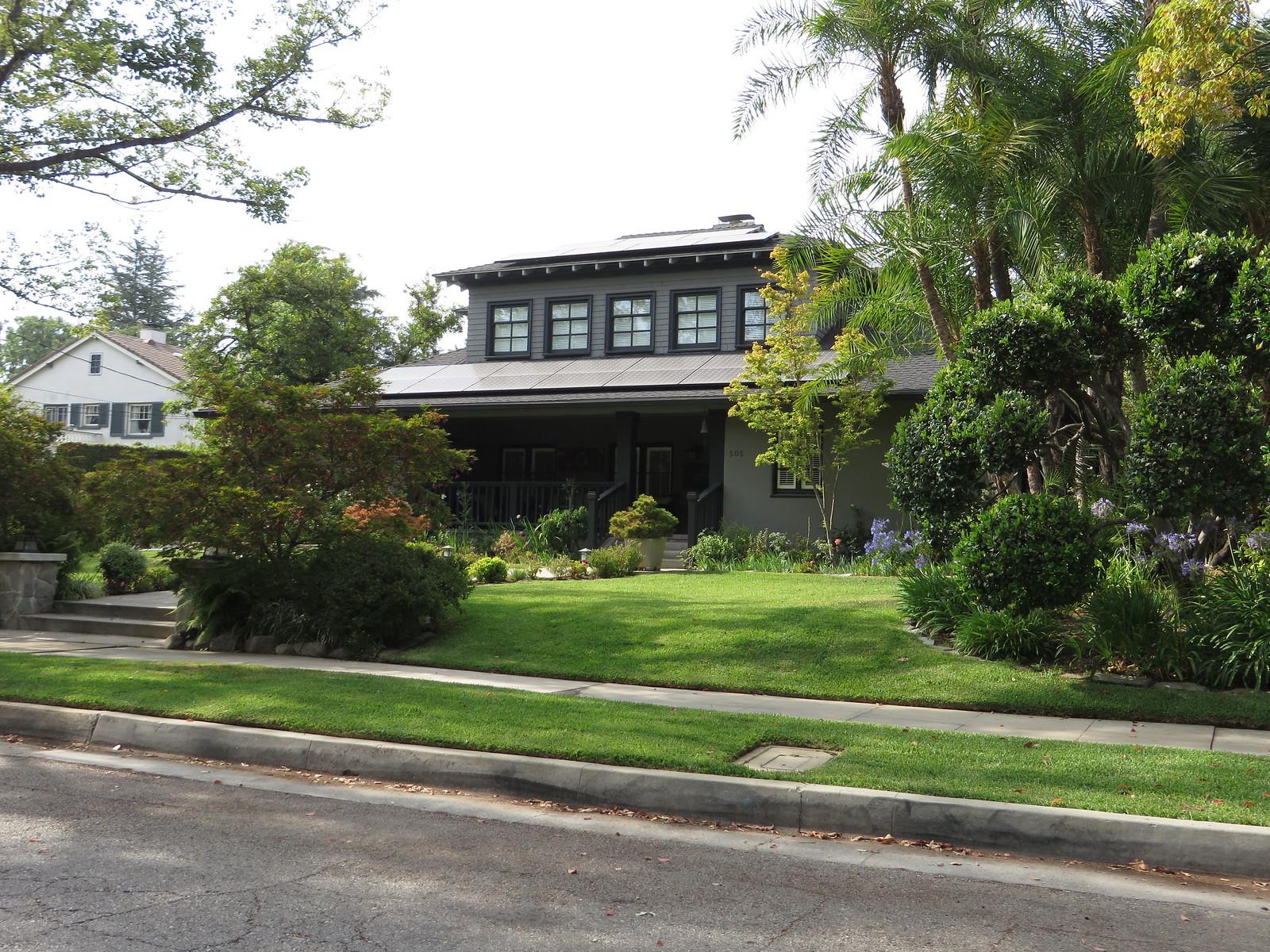
Los Angeles remains a city defined by its scale and its refusal to adhere to a single center. For those arriving in the city this week, the primary challenge is managing the vast geography that stretches from the Pacific coastline to the foothills of the San Gabriel Mountains. While the city's infrastructure continues to evolve with expansion projects for the Metro A Line and regional transit upgrades, the most effective way to experience the diversity of neighborhoods like Echo Park and Venice is to treat each area as its own self-contained destination.
Cultural Anchors and Urban Transit
Cultural engagement in Los Angeles often starts at the Getty Center in Brentwood. Perched atop the Sepulveda Pass, the institution offers a vantage point of the entire basin that remains one of the city's most significant visual markers. Nearby, the Hammer Museum in Westwood offers a distinct contrast, focusing on contemporary works and public-facing discourse that often mirror the broader socio-political conversations happening across the United States. For visitors seeking to engage with the city’s history, the Natural History Museum of Los Angeles County in Exposition Park provides a comprehensive look at the region’s biodiversity and evolution.
Understanding the pulse of the city requires looking beyond the famous corridors of Hollywood Boulevard. The transit-oriented development models being implemented in districts like Little Tokyo and the Arts District have begun to alter how tourists and residents alike navigate these areas. Public transit ridership has shown consistent trends, with the Los Angeles County Metropolitan Transportation Authority reporting that system-wide boardings have maintained steady growth as travelers prioritize efficiency over traditional car-based commutes in the denser urban cores.
Practical Guidance for the Weekend
Visitors should prioritize flexibility when planning their daily routes. Given the unpredictable nature of traffic on major arteries like the 405 and the 101, local logistics experts often recommend utilizing the expanded rail network where possible. The Metro E Line now provides a direct link between the Santa Monica Pier and the downtown cultural hubs, offering a reliable alternative to sitting in surface street congestion. When considering dining, booking reservations in advance remains essential for popular hotspots in areas like Silver Lake or the West Hollywood dining strip, as demand for these establishments remains consistently high throughout the summer season.
Admission to the Getty Center remains free to the public, though timed-entry reservations are required for all guests. As the mid-year season hits its stride, outdoor programming at venues like the Hollywood Bowl is in full effect, typically running through September. Regardless of the itinerary, the most successful approach for any visitor is to limit travel to one or two neighborhoods per day, allowing time to appreciate the distinct architecture and character that define the individual patches of this sprawling city.