culture
Los Angeles Arts Scene Evolves From Radical Murals to Contemporary Galleries
From the radical murals of the mid-century to the contemporary galleries of today, Los Angeles continues to redefine its cultural identity.
How we reported this
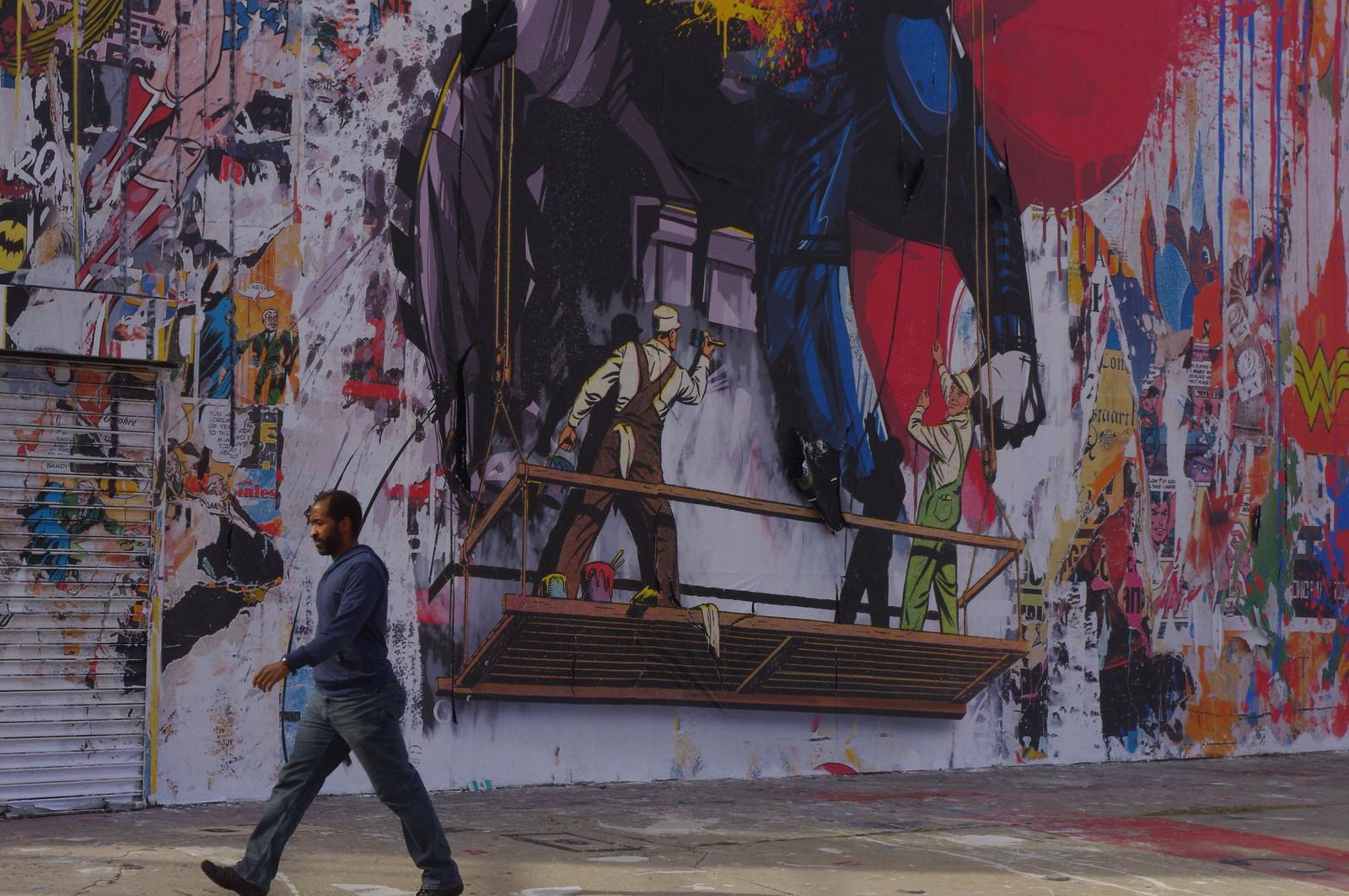
Los Angeles residents seeking engagement with the city’s creative history today will find the narrative etched into the walls of its oldest neighbourhoods and the architecture of its newest institutions. While the city remains a center for film and digital media, the foundational visual arts scene that took root in the mid-20th century has moved from the fringes of Boyle Heights to the established corridors of the Arts District and beyond.
Building a Cultural Legacy
The evolution of this scene is best viewed through the lens of long-standing community spaces like the Self Help Graphics & Art organization in East Los Angeles. Founded in the early 1970s, the center served as a critical hub for the Chicano art movement, providing a platform for artists who were largely excluded from the mainstream museum world. This spirit of grassroots production contrasts sharply with the contemporary landscape of the Broad museum on Grand Avenue, which now houses massive collections of post-war and modern art. The shift represents the professionalization of a movement that once relied entirely on community-driven workshops and street-level activism.
Understanding this transition is essential for any visitor or resident interested in the city's current trajectory. As the city matures, the friction between independent artist-led spaces and the commercial interests of developers has become a defining characteristic of local urban planning. Organizations like the Los Angeles County Museum of Art (LACMA) have documented these changes, reflecting on how the democratization of art has shifted from the public plaza to digital archives and curated virtual exhibitions.
Mapping the City’s Creative Roots
For those looking to explore this history firsthand, a visit to the historic murals of the Estrada Courts in Boyle Heights offers a direct line to the social consciousness of the 1970s. These works remain preserved as public records of the era’s political climate, providing a stark visual counterpoint to the high-gloss gallery openings currently drawing crowds in the Arts District. Meanwhile, the archives at the Getty Research Institute provide documentation of the aesthetic shifts that have defined Los Angeles over the last several decades, cataloging everything from the Light and Space movement to the rise of contemporary street art.
Economic markers of this evolution are visible in the shifting real estate landscape of neighborhoods like Culver City and Chinatown. Historical records indicate that these areas underwent significant transformation starting in the late 1990s as gallery density increased, leading to what many urban planners call the gallery-led regeneration effect. While the specific costs of maintaining these spaces have risen in line with city-wide inflation, the proliferation of independent artist collectives remains a steady counterweight to the commercial art market. Residents should monitor the upcoming public sessions held by the Los Angeles Department of Cultural Affairs to participate in ongoing discussions about how to protect these vital creative zones as the city continues to modernize.