Tracing the Roots and Growth of Los Angeles’ Arts and Culture Scene
From historic theaters to dynamic street art, explore how LA’s cultural landscape has evolved and what to experience today.
From historic theaters to dynamic street art, explore how LA’s cultural landscape has evolved and what to experience today.
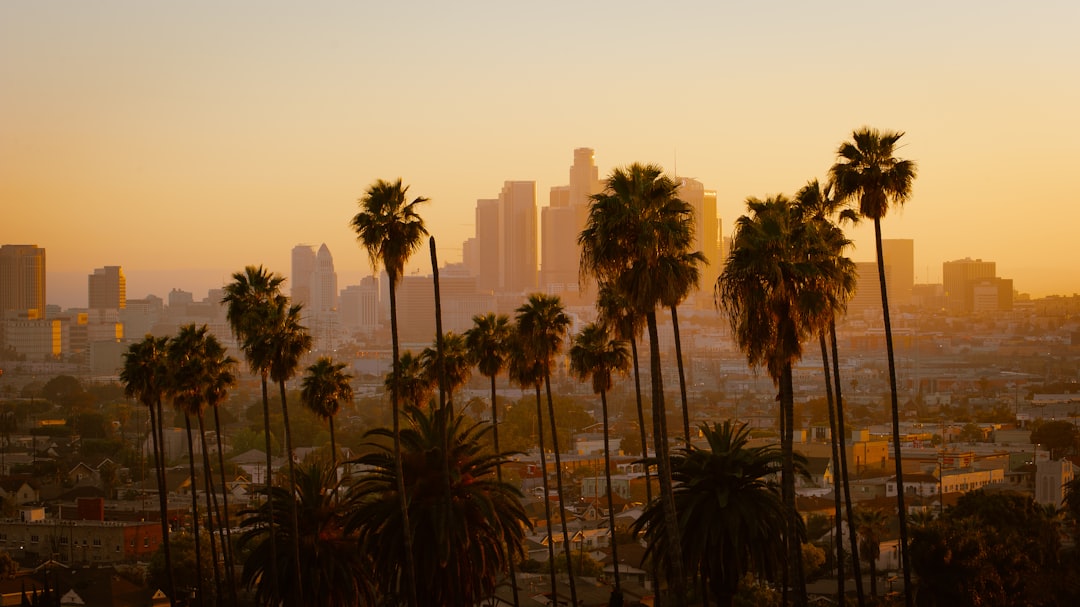
Los Angeles offers residents and visitors a rich tapestry of cultural experiences that reflect its diverse history and ongoing transformation. Today, you can stroll through iconic venues like the historic Million Dollar Theatre in Downtown LA or explore the vibrant murals in the Arts District, each telling stories of the city’s artistic evolution.
Los Angeles’ cultural scene has long been shaped by its dynamic neighborhoods and communities. The Million Dollar Theatre, which opened on Broadway in 1918, was among the first movie palaces in the city and helped anchor Downtown LA’s role as the original entertainment hub before Hollywood’s rise. Decades later, the Arts District along East 3rd Street has become a focal point for contemporary artists, with street murals and galleries that draw from the industrial roots of the area while influencing new generations of creatives.
The significance of this evolution lies in how these cultural landmarks have continuously shifted alongside demographic and economic changes. The early theaters catered to vaudeville and Spanish-language film audiences, reflecting the city’s growing Latino community. Today, the Arts District reflects a diverse mix of developers, artists, and long-time residents navigating gentrification and the desire to preserve creative spaces.
Two notable places to experience this blended history firsthand are the Million Dollar Theatre and Hauser & Wirth gallery on East 3rd Street. The former, with its ornate Churrigueresque façade, remains a working theater hosting film screenings and live performances, exemplifying the city’s early 20th-century ambitions as an entertainment capital. Admission to many events here ranges from $12 to $30, ensuring public accessibility.
Hauser & Wirth, opened in 2016 in a converted warehouse, showcases works from emerging and established artists, often integrating community arts programming. The gallery’s fusion of commercial and public-facing arts reflects broader shifts in Los Angeles towards institutional support for contemporary culture in less traditional settings.
For those planning a cultural day out, the nearby Grand Central Market offers culinary respite with a price range typically between $8 to $20 per dish, providing a taste of LA’s multicultural makeup and its relationship with local artistry.
Data from the Los Angeles Economic Development Corporation highlights that the arts and culture sector contributed over $10 billion to the city’s economy in 2025, employing approximately 150,000 people. This economic footprint underscores the sector’s importance beyond entertainment, as a driver of tourism, neighborhood revitalization, and community identity.
Visitors and locals interested in these cultural layers can benefit from the city’s curated art walks and theater tours, which regularly occur throughout Downtown and adjacent neighborhoods. Checking local listings for Saturday events at venues like the Million Dollar Theatre or guided mural tours in the Arts District can enrich your appreciation of how these spaces once shaped, and continue to shape, Los Angeles’ cultural fabric.
How does this story make you feel?
Spread the word
About this article
Published by The Daily Los Angeles
Daily brief
Free, in your inbox before 7am. Weekdays.
More in culture