A New Chapter: The History and Evolution of This Local Scene
As the July 4th weekend celebrations quiet down, Los Angeles residents are reclaiming the city’s historic arts districts.
As the July 4th weekend celebrations quiet down, Los Angeles residents are reclaiming the city’s historic arts districts.
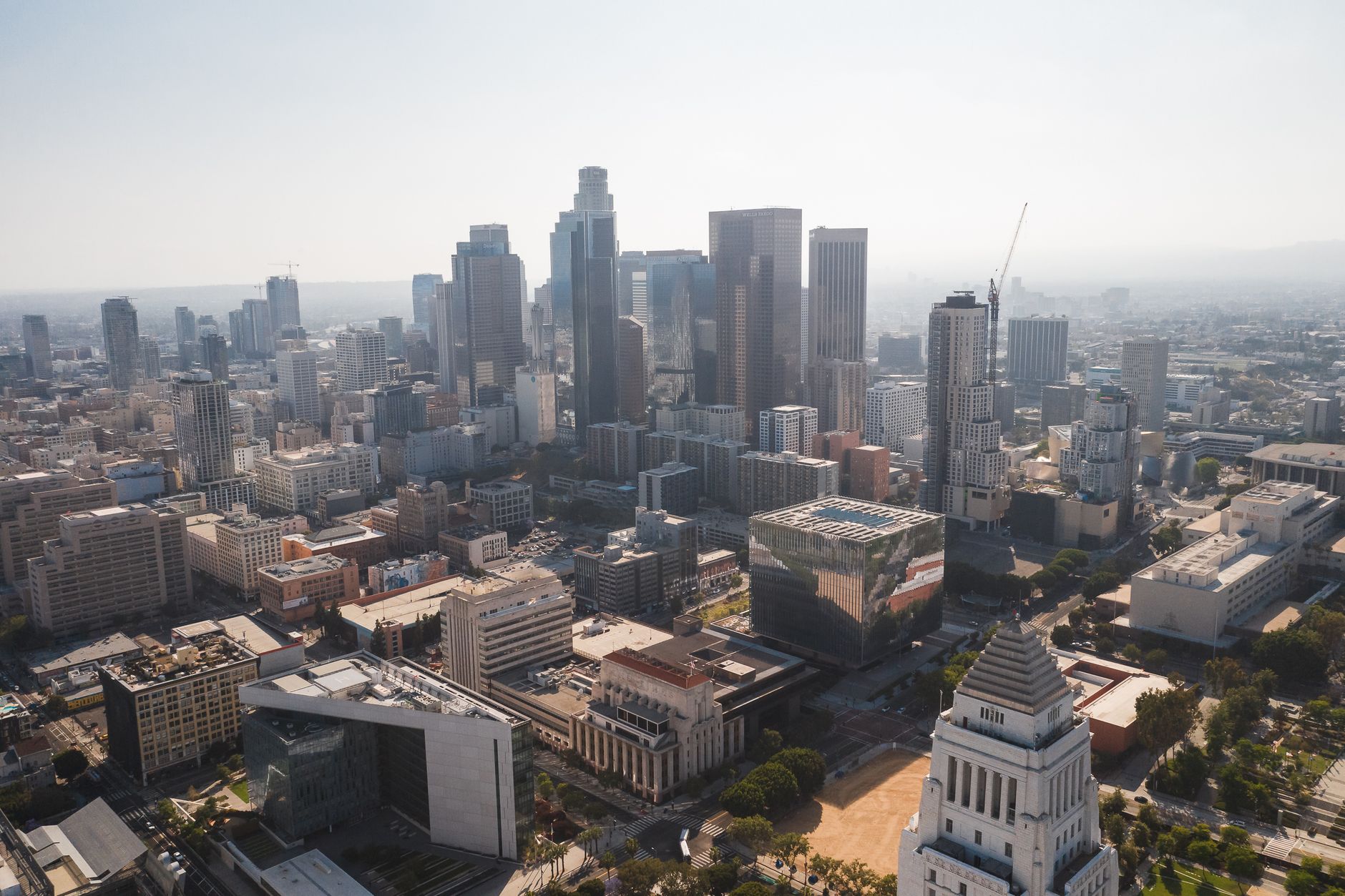
Los Angeles entered the post-holiday weekend with a surge of activity across its downtown corridors and coastal enclaves. While the city’s massive July 4th flyovers and fireworks displays have concluded, the focus has shifted toward the persistent evolution of the local cultural landscape. From the revitalized storefronts of the Arts District to the long-standing galleries of West Hollywood, the city’s creative pulse continues to shift further away from the centralized studios of the mid-20th century toward a decentralized network of independent neighborhood hubs.
The transition from a film-centric identity to a multi-disciplinary art scene traces back to the 1990s, when artists began occupying industrial spaces in the area surrounding East 3rd Street and Traction Avenue. According to data provided by the Los Angeles Downtown Industrial District Business Improvement District, the area has seen a 42% increase in mixed-use residential and commercial occupancy since 2015. Organizations like Hauser & Wirth have solidified this migration, establishing massive gallery spaces in repurposed flour mills that once functioned as the backbone of the region’s manufacturing history.
This growth reflects a wider, decades-long shift away from the insular production culture that defined Los Angeles in the 1950s. While historical landmarks like the Bradbury Building on South Broadway continue to serve as touchstones for the city’s architectural past, the current programming at institutions like The Broad on Grand Avenue represents a modern commitment to public access. The museum’s current exhibition schedule highlights a broader shift: prioritizing interactive and installation-based works that require larger physical footprints than traditional canvas-based galleries.
For those looking to engage with this evolution today, the historic core of downtown provides a clear lens into the city's trajectory. Visitors can view the ongoing architectural preservation efforts at the Grand Central Market, where a permit record from the Los Angeles Department of Building and Safety shows over $1.2 million in structural renovations completed within the last three years to maintain the landmark’s 1917 heritage while updating fire safety codes. The market currently hosts over 40 distinct food vendors, a stark contrast to the singular-purpose retail models common in the early 20th century.
Those planning to visit the area should note that parking rates near the Civic Center have reached an average of $25 per session for weekend afternoon slots, according to city-regulated lot pricing structures effective as of July 2026. For a more budget-conscious experience, the Metro A Line now offers direct access to the Little Tokyo/Arts District station, which saw record-high ridership during the holiday transit window. Whether spending the morning at the Petersen Automotive Museum on Wilshire Boulevard or exploring the revitalized concrete riverbanks of the LA River in Frogtown, the current cultural scene emphasizes a blend of preservation and aggressive urban renewal that continues to redefine the city’s boundaries.
How does this story make you feel?
Spread the word
About this article
Published by The Daily Los Angeles
Daily brief
Free, in your inbox before 7am. Weekdays.
More in culture