From Oil Derricks to Art Galleries: The History and Evolution of This Local Scene
As Los Angeles celebrates the post-Independence Day weekend, the city’s cultural districts reflect a century of radical urban transformation.
As Los Angeles celebrates the post-Independence Day weekend, the city’s cultural districts reflect a century of radical urban transformation.
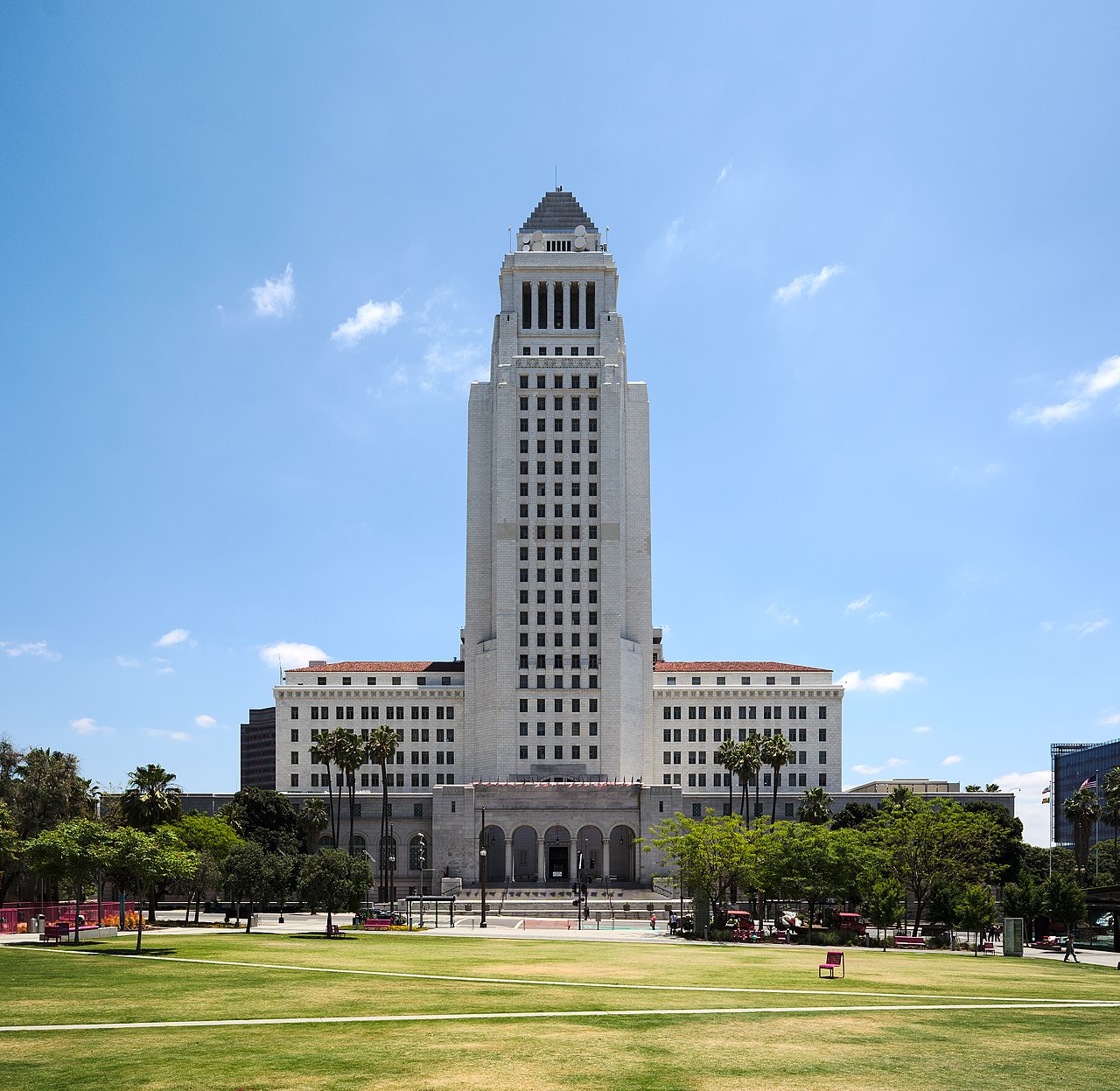
Los Angeles residents waking up this July 5th are navigating a landscape defined as much by its industrial past as its modern creative output. Across the city, venues that once served as symbols of the mid-20th-century oil boom are now repurposed as the anchors of a billion-dollar arts economy. From the repurposed industrial corridors of the Arts District to the preserved architectural heritage of Mid-Wilshire, the city's current weekend rhythm mirrors a decades-long pivot from extraction to expression.
The transformation of downtown remains the most visible marker of this evolution. Once the site of the Southern Pacific railway hub and sprawling warehouse districts, the area surrounding Traction Avenue has seen a rapid shift since the 1990s. Institutions like Hauser & Wirth now occupy what were once flour mill complexes, signaling a broader trend where historical preservation meets high-end exhibition spaces. This mirrors the trajectory of the Miracle Mile, where the 1930s-era commercial development along Wilshire Boulevard helped pivot the city’s center of gravity away from the historic downtown core.
Data from the Los Angeles Department of Cultural Affairs indicates that public investment in arts-centric urban renewal projects has grown significantly over the last two decades. As of the fiscal year ending June 30, 2026, the city’s Cultural Grant Program distributed over $18 million to support community-based arts organizations, according to records published in the city’s 2026 budget overview. This shift is not merely aesthetic; it is an economic driver that has turned previously neglected zones into focal points for weekend commerce, with local hospitality and retail spending in the Arts District alone reaching an estimated $120 million annually, per recent City Council economic development assessments.
Today’s visitors have a unique vantage point to witness this history. At the La Brea Tar Pits, one can observe the intersection of deep geological time and the city’s modern footprint; the surrounding Hancock Park area stands as a physical boundary between the city's prehistoric origins and the 1920s residential boom that defined the modern footprint of the Wilshire district. These landmarks serve as the essential scaffolding of the city’s identity, bridging the gap between the era of the derricks and the current era of immersive installations.
For those looking to engage with this history today, a self-guided tour remains the most effective approach. Start at the Bradbury Building on South Broadway to observe the 1893 ironwork that survived the city's expansion, then travel east toward the Arts District to see how the architecture of the industrial age is now used to host the contemporary gallery circuit. Parking in these zones typically requires a budget of $15 to $25 for the day, and most city-run facilities maintain standard operating hours despite the holiday weekend. Whether visiting the expanded campus of the Academy Museum of Motion Pictures or walking the preserved streets of Old Town Pasadena, visitors should prioritize locations that offer a clear narrative of the buildings' original utility versus their current cultural function.
How does this story make you feel?
Spread the word
About this article
Published by The Daily Los Angeles
Daily brief
Free, in your inbox before 7am. Weekdays.
More in culture