culture
Los Angeles Venues Shift From July 4th Spectacle to Underground Cultural Scene
As the city shakes off the heat of a record-breaking July 4th weekend, Los Angeles venues are pivoting from the pageantry of the nation’s 250th birthday to the grassroots energy that defines the Southland’s evolving cultural identity.
How we reported this
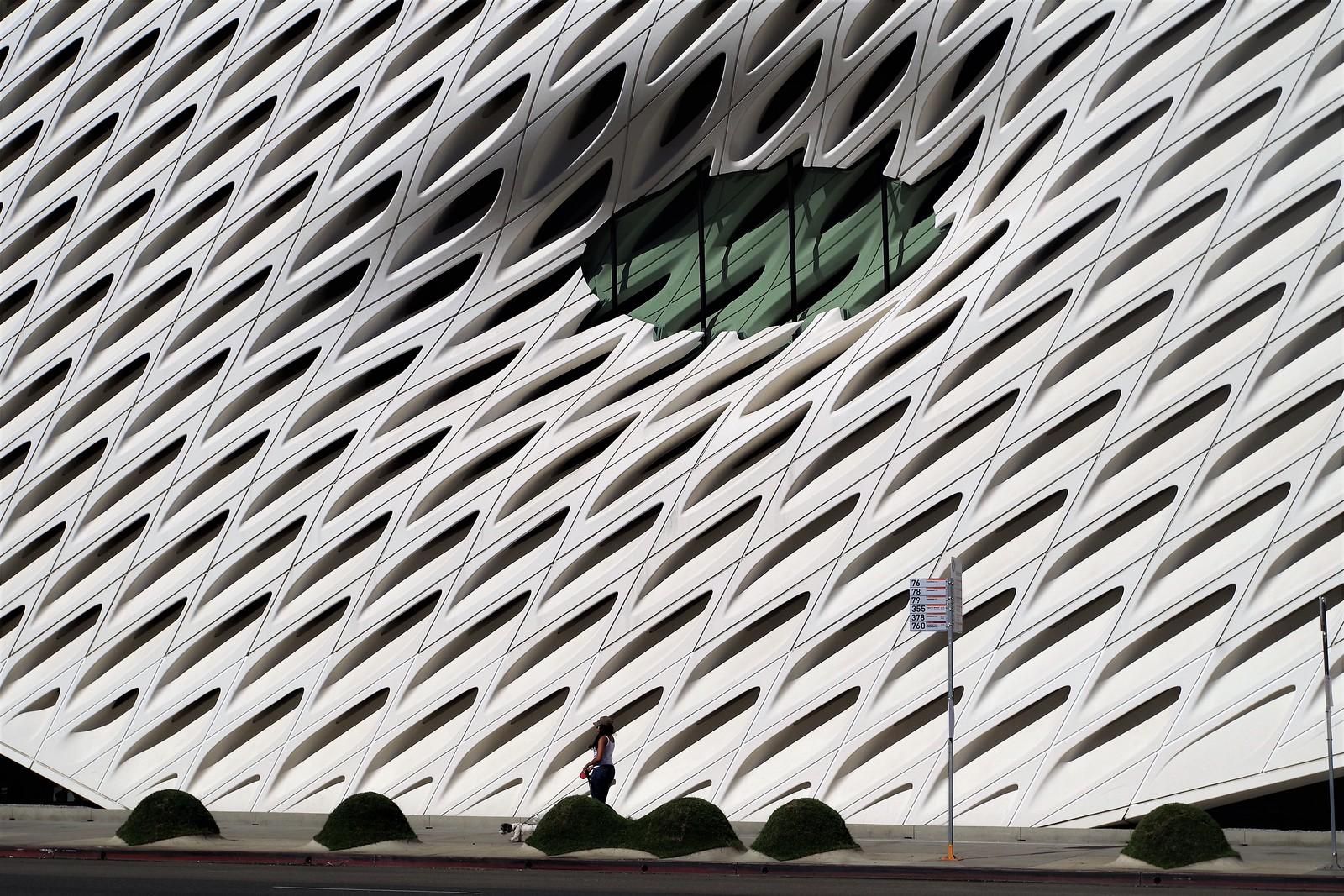
Los Angeles is not just settling into its post-holiday rhythm this weekend; it is actively renegotiating the boundaries of its public life. Across the city, from the historical corridors of Downtown to the revitalized pockets of Highland Park, the weekend calendar reflects a shift toward hyper-local, decentralized experiences that favor smaller, independent venues over the massive municipal celebrations that dominated the sky on Friday night.
Tracing the Roots of the Southland Aesthetic
The current cultural landscape traces its lineage back to the mid-20th century, when Los Angeles first began to view its scattered geography not as a liability, but as a series of distinct, modular stages. Early centers of gravity, such as the storied jazz clubs along Central Avenue, established a precedent for cultural density in a sprawling city. Today, that legacy lives on in venues like the Zebulon in Frogtown, which operates with a similar ethos of fostering deep, niche communities rather than chasing the broad, sweeping attendance figures seen in more centralized global cities like London or Paris.
The evolution is starkest when viewing the shift in programming at major cultural hubs. According to the 2025 Los Angeles Arts and Culture Economic Report published by the city's Department of Cultural Affairs, independent venues and community-led festivals saw a 14 percent increase in foot traffic compared to the previous year. This growth is mirrored in the pricing trends across the city; the average ticket price for entry-level music and arts events at historic independent theatres is currently holding at roughly $22.50, significantly lower than the costs associated with the larger arena-scale productions dominating the Westside.
Navigating the New Weekend Landscape
This weekend’s programming at spaces like the Echo in Echo Park or the downtown-based Hauser & Wirth illustrates how the city has learned to leverage its historical architecture to host contemporary art and performances. Where earlier decades saw a push toward the consolidation of event spaces, the current trend favors the restoration of smaller, legacy footprints. The focus has moved away from the monolithic festivals of the 1990s and toward a patchwork of small-batch events that reflect the specific demographics of neighborhoods ranging from Boyle Heights to Venice.
For those looking to participate, the current reality of the LA scene is that access requires a bit more legwork than simply following the crowds. Most of these events operate on a first-come, first-served basis or require advance booking through individual venue websites. As the weekend proceeds, keep a close watch on the neighborhood-specific social feeds for the Highland Park Arts District and the Arts District in Downtown LA, where impromptu gallery walks are scheduled through Sunday evening. Expect heavy traffic near the 101 interchange as the city moves between these decentralized hubs, and plan for short-notice capacity limits at smaller venues along Sunset Boulevard.