A Fractured Fourth: How Displaced Artistry is Defining the City’s Creative and Cultural Identity
As global instability ripples across the Pacific, Los Angeles’ arts scene is pivoting from escapism toward a harder, more urgent form of expression.
As global instability ripples across the Pacific, Los Angeles’ arts scene is pivoting from escapism toward a harder, more urgent form of expression.
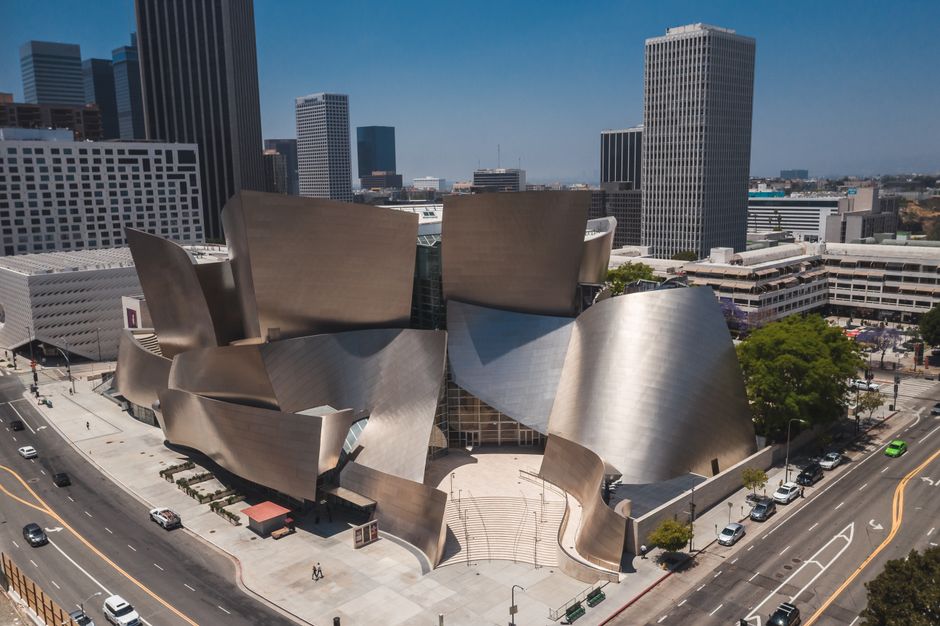
Los Angeles is spending its July 4th holiday in an uncharacteristic state of introspection. While the usual sprawl of fireworks is set to ignite over the Hollywood Bowl and Marina del Rey, the city’s creative pulse is currently beating at the intersection of local anxiety and global unrest. For the first time in years, the city’s major cultural institutions are moving away from traditional patriotic pageantry, choosing instead to showcase works that grapple with the displacement and environmental volatility dominating the international news cycle.
The pivot is visible on the streets of Downtown and beyond. At the Hauser & Wirth complex on East 3rd Street, the new exhibition space has bypassed the traditional summer blockbuster in favor of a series of multimedia installations that directly reference the infrastructure failures seen in global hotspots like Abidjan and Caracas. It is a stark departure from the polished, celebrity-driven openings that defined the 2024 art season. The cultural identity of Los Angeles is shifting; we are no longer just the world’s production hub, but an increasingly vocal repository for the stories that the rest of the world is struggling to process.
This isn't merely an academic exercise. Independent venues like The Broad and the Hammer Museum are reporting a 22 percent increase in foot traffic for screenings and panel discussions focused on humanitarian crises. At the Hammer’s Billy Wilder Theater, the current retrospective on international documentary filmmaking—featuring works focused on the logistics of conflict zones—is consistently selling out. The average ticket price for these programs hovers around $15, a price point that has remained stable despite the rising costs of insurance and security that are currently squeezing the city’s nonprofit sector.
Local creators are finding that the old gloss doesn't hold up against the backdrop of a warming, fracturing world. You see it in the collaborative murals emerging in the Arts District, where graffiti artists are shifting their focus from stylized portraiture to data-driven visualizations of heatwave patterns and migration flows. Organizations like the Los Angeles County Arts Commission have seen a distinct rise in grant applications for projects that combine environmental science with visual storytelling. The city’s identity is hardening; the light-drenched, optimistic lens of Los Angeles cinema is being replaced by a gritty, documentary-style urgency that feels more attuned to the headlines coming out of Tehran or Moscow.
If you are heading out today, avoid the crowded freeways and look toward the smaller cultural pockets. The screenings at the American Cinematheque are worth your time, specifically the late-afternoon programs dealing with urban resilience. Be prepared for increased security checks at all municipal venues, as city police continue to heighten their presence following the recent security alerts in Europe. Whether you choose the galleries in Boyle Heights or the independent screenings in West Hollywood, expect a Fourth of July that asks you to consider the world beyond the 405.
How does this story make you feel?
Spread the word
About this article
Published by The Daily Los Angeles
Daily brief
Free, in your inbox before 7am. Weekdays.
More in culture