From Drive-Ins to Digital: How Los Angeles Reinvented Its Summer Entertainment Scene
As heat waves reshape how Angelenos spend their July nights, the city's century-old culture infrastructure shows why local venues are built to evolve.
As heat waves reshape how Angelenos spend their July nights, the city's century-old culture infrastructure shows why local venues are built to evolve.
Los Angeles wakes up to 97 degrees on the first Friday of July, and the city's cultural institutions are banking on what they learned the hard way: entertainment venues that survived the last decade of disruption are the ones that ditched the script.
The timing matters. With Europe and Asia dealing with everything from deadly heatwaves to geopolitical upheaval, Los Angeles offers a reminder of what cultural resilience looks like in a sprawling metropolitan area. The city's entertainment offerings today—from the Greek Theatre in Griffith Park to the renovated downtown arts district—didn't just endure; they fundamentally transformed how they operate, when they operate, and who they reach.
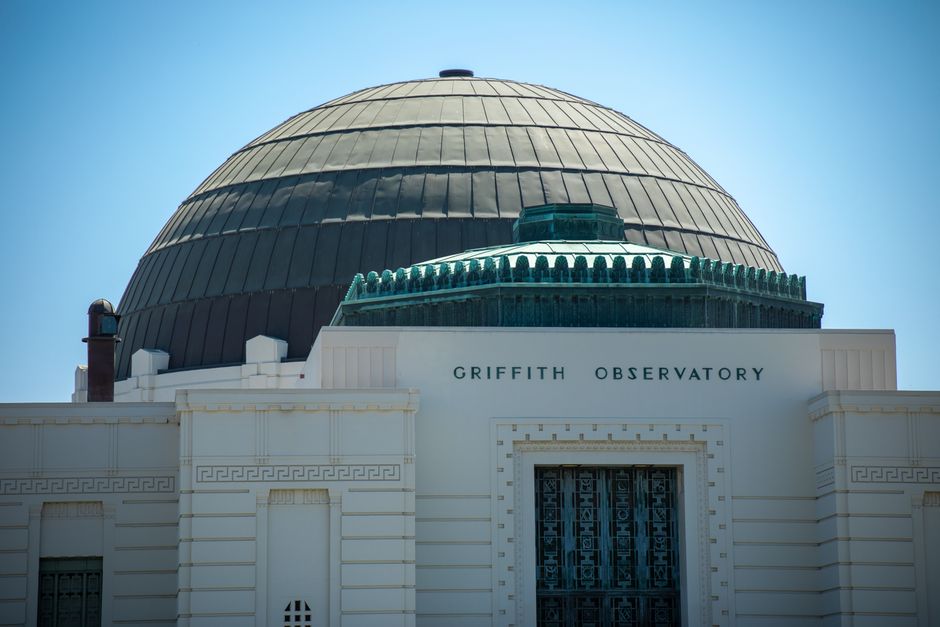
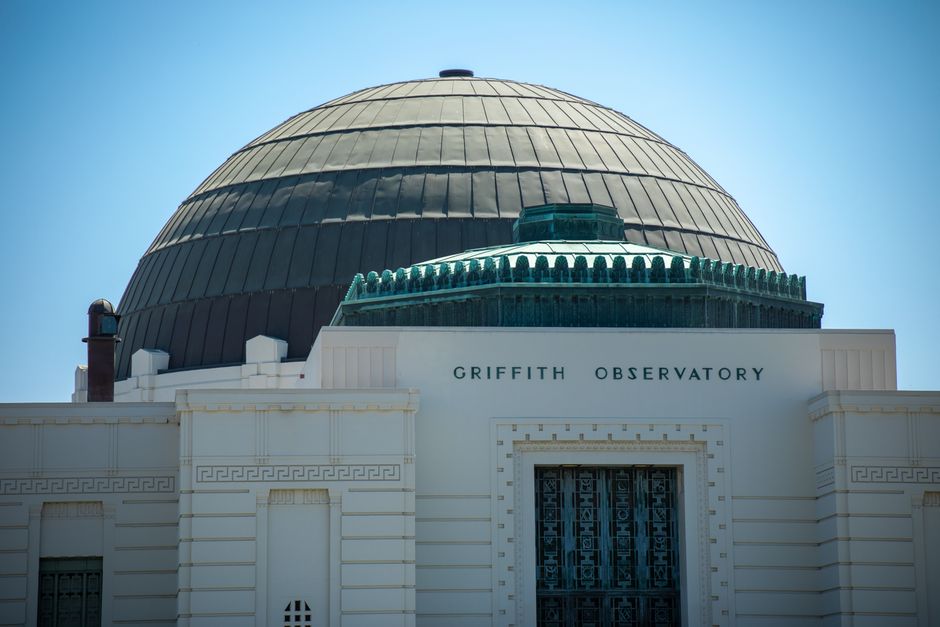
The Greek Theatre, which opened in 1930 with a capacity of 5,873 seats, now programs outdoor concerts specifically scheduled for evening hours when temperatures drop. Summer shows there used to start at 8 p.m.; now first doors open at 5:30 p.m., allowing patrons to arrive early and spend the cool evening hours on the hillside. The venue's 2026 summer lineup reflects this shift—jazz and classical performances anchor the early part of the evening, with amplified rock acts scheduled for closer to 10 p.m. when the Hollywood Hills cool down considerably.
Twenty minutes south, the Arts District along the Los Angeles River tells a different evolution story. The neighborhood, largely industrial warehouses and manufacturing facilities through the 1980s, began converting former factory spaces into galleries, theaters, and artist studios around 2005. By 2015, arts-focused programming had created 2,400 jobs in that corridor, according to the Los Angeles County Economic Development Corporation. Today, venues like the Broad Museum (opened 2015) and the Museum of Contemporary Art's satellite location draw 1.2 million visitors annually—making the district essential infrastructure for how the city's creative economy actually functions.
What makes this relevant right now is simple economics. When the city experienced pandemic closures in 2020-2021, venues dependent on single revenue streams—ticket sales, concessions, rental fees—nearly collapsed. Those that had already diversified survived. The Greek Theatre generates revenue through memberships, rental agreements for private events, and partnerships with the city's Parks and Recreation Department. The Arts District venues built in co-working studio space, retail components, and educational programming into their business models years before they needed the financial cushion.
The practical result: anyone looking for something to do in Los Angeles today has options that reflect this hybrid approach. You can catch free outdoor movies at LA Live downtown (Tuesday nights, no admission charge), tour artist studios in the Arts District ($5-$12 suggested donation), or book a sunset picnic ticket at the Greek Theatre that includes early access to lawn seating. The Hollywood Bowl, America's largest natural amphitheater with 17,500 seats, added a daytime summer lecture series in 2023 specifically to generate midday programming when its traditional evening concerts weren't running.
The data tells the story plainly. According to the Los Angeles Tourism & Convention Board's 2026 midyear report, cultural and entertainment venues account for $8.3 billion in annual visitor spending—up 34 percent from 2019. That recovery didn't happen because venues stayed static. It happened because they moved.
The city's original drive-in culture, which peaked in the 1950s with 96 operating locations across Los Angeles County, is now down to exactly two: the Paramount Drive-In in Paramount (opened 1949) and the Roadium Drive-In in Torrance (opened 1948). But the concept lives on in transformed venues. The Los Angeles County Museum of Art (LACMA) on Wilshire Boulevard now hosts outdoor film screenings from June through September on its courtyard plaza, attracting 8,000-12,000 people per showing. The format is vintage Americana; the execution—ticketed events with reserved seating, food vendors, climate-controlled indoor bathrooms—is thoroughly 2026.
For anyone planning an evening out as temperatures peak this weekend, the takeaway is practical: the city's cultural venues aren't just offering entertainment. They're demonstrating a century of accumulated learning about how to keep people engaged in public spaces during challenging conditions. Book early, arrive early, and expect the experience to look nothing like it did five years ago.
How does this story make you feel?
Spread the word
About this article
Published by The Daily Los Angeles
Daily brief
Free, in your inbox before 7am. Weekdays.
More in culture