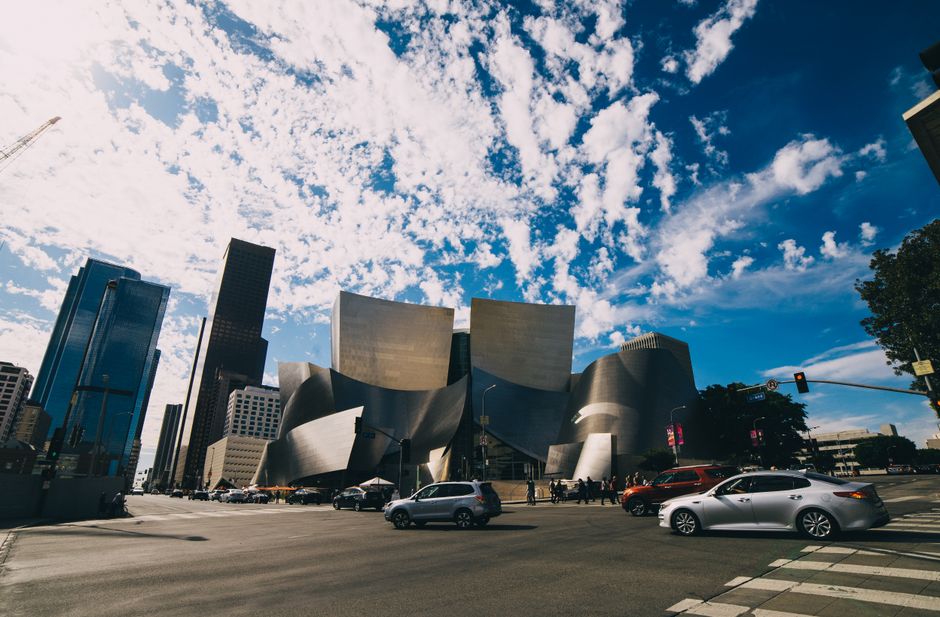
Los Angeles didn't spring into existence as a sprawling metropolis. Its identity—complex, multicultural, and perpetually contested—emerges from centuries of Indigenous presence, Spanish colonialism, Mexican governance, and waves of immigration that transformed a pueblo into a global city. First-time visitors seeking authentic LA should understand this archaeological complexity before snapping photos at the Getty.
Begin at Tongva Park in downtown LA, a recent reclamation that honours the Tongva people who inhabited this land for millennia before Spanish missions displaced them. The landscaping deliberately references native plants and topography, offering both education and reflection. It's free, accessible, and fundamentally reframes how visitors understand the land beneath the freeways.
Head west to El Pueblo de Nuestra Señora la Reina de los Ángeles, the original 1781 settlement near Olvera Street. While Olvera Street itself has evolved into a tourist-oriented marketplace, the adjacent Avila Adobe—the oldest surviving residential structure in LA—provides genuine historical grounding. Admission is modest (typically $5), and the building's earthen walls and sparse furnishings illustrate daily life in Mexican-era Los Angeles, before American annexation in 1848.
The narrative shifts dramatically at the Natural History Museum of Los Angeles County in Exposition Park. Its California history galleries address displacement, land theft, and the Gold Rush's consequences with more nuance than traditional heritage sites. For those interested in twentieth-century identity formation, the museum's sections on Japanese American incarceration and Latinx migration patterns cost nothing extra with general admission ($15-16).
Finally, traverse east to the Chicano-majority neighbourhoods of Boyle Heights and Lincoln Heights, where street murals function as public historiography. The intersection of Whittier Boulevard and Cesar E. Chavez Avenue hosts permanent installations depicting Mexican American labour movements and civil rights activism. These aren't museum pieces; they're living expressions of cultural memory.
Understanding LA requires recognising it as a city where multiple pasts coexist without resolution. Indigenous erasure exists alongside Indigenous resurgence. Mexican heritage persists within American frameworks. New arrivals—today as in 1880—continually reshape what it means to be Angeleno. Visitors who engage with these layers rather than consume them as tourist attractions grasp why Los Angeles remains culturally vital and perpetually unsettled.
This article was compiled by AI and screened before publishing. See our editorial standards.