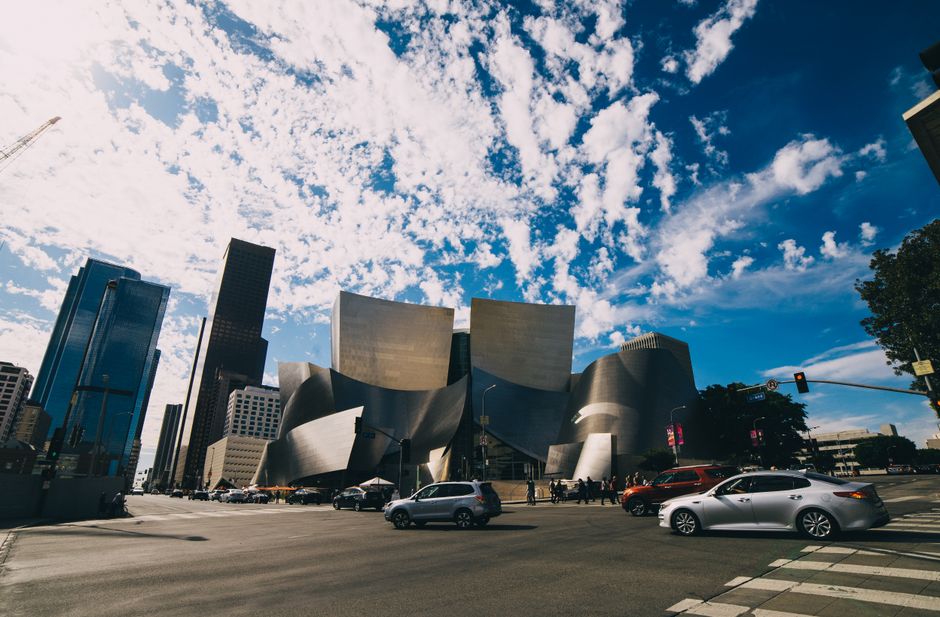
Los Angeles's Best Local History and Cultural Sites to Visit Now
From forgotten neighborhoods to restored landmarks, here's where to experience the authentic stories that shaped—and continue to shape—this sprawling metropolis.
From forgotten neighborhoods to restored landmarks, here's where to experience the authentic stories that shaped—and continue to shape—this sprawling metropolis.
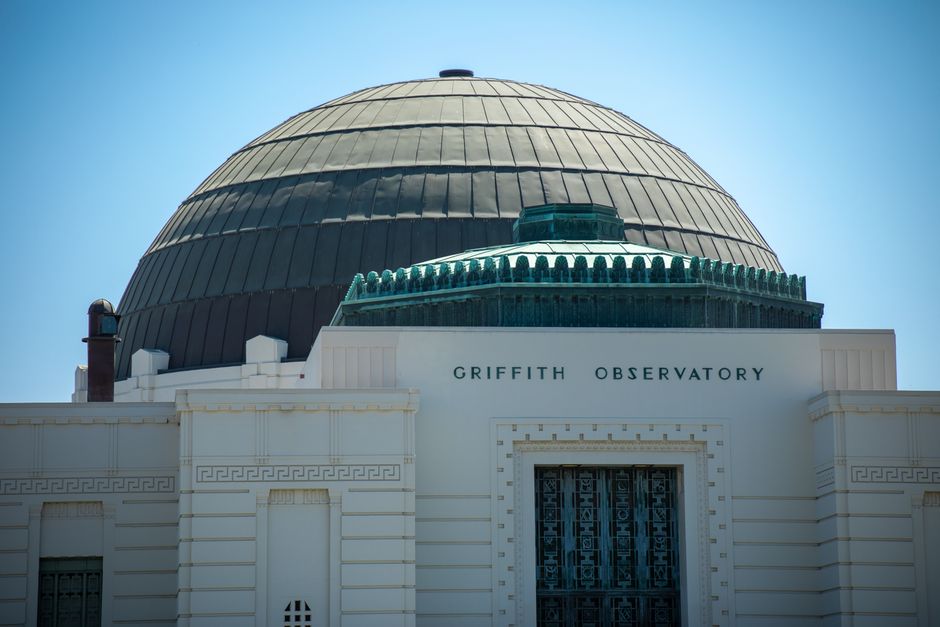
Los Angeles's cultural identity isn't frozen in vintage postcards or studio backlots. It's alive in neighborhoods that tell layered, sometimes contradictory stories about immigration, industry, resilience, and reinvention. This summer, here's where locals and visitors should actually spend their time to understand what makes this city tick.
Downtown's Rediscovered Soul
The Los Angeles Conservancy's walking tours through Downtown remain essential—especially the Art Deco route along Broadway, where 1920s movie palaces like the Orpheum Theatre (9 W 9th St) still host live performances after decades of dormancy. The organization reports that roughly 70% of Downtown's architectural heritage remains largely unknown to most Angelenos. The Historic Core, particularly around Spring Street, combines Victorian and Beaux-Arts buildings with contemporary galleries and restaurants, creating genuine cultural texture rather than performative nostalgia.
Boyle Heights: Beyond the Mural Tourism
East Los Angeles has become Instagram-famous for street art, but the real cultural education happens at the Chicano Studies Research Center on the UCLA campus (though their satellite exhibitions rotate through Boyle Heights). Walk Whittier Boulevard instead—the neighborhood's spine since the 1950s—and you'll encounter three generations of family businesses, from panaderias established in 1987 to recent Vietnamese and Central American arrivals. This is where Los Angeles's ongoing identity debates play out in real time.
The Overlooked Harbor
San Pedro, south of Downtown near the Port of Los Angeles (one of North America's busiest), operates as Los Angeles's forgotten waterfront. The LA Maritime Museum (Berth 84, San Pedro) costs just $15 and houses artifacts from the city's shipping heritage. The neighborhood's preserved Victorian homes and working-class history reveal how trade, not entertainment, built this city's actual economic foundation.
Authentic Japanese Los Angeles
Little Tokyo remains centered on 1st Street between San Pedro and Los Angeles Street, where the Japanese American National Museum occupies what was once a Buddhist temple. It's free the second Thursday of each month—an excellent opportunity to explore exhibitions that grapple with the neighborhood's complex 20th-century history, from pre-war commerce through internment's aftermath.
Practical Next Steps
The Los Angeles Conservancy offers themed walking tours ($15-20) most weekends. The Getty Villa in Pacific Palisades (free admission, $20 parking) also frequently programs discussions connecting classical antiquity to contemporary LA identity questions. For independently exploring heritage neighborhoods, the LA Times's 'Mapping L.A.' project provides demographic and historical context worth reviewing beforehand.
These spaces demand your actual presence—not just your phone's camera—to reveal how Los Angeles continuously negotiates what it was, what it is, and what it might become.
This article was compiled by AI and screened before publishing. See our editorial standards.
How does this story make you feel?
Spread the word
About this article
Published by The Daily Los Angeles
Daily brief
Free, in your inbox before 7am. Weekdays.
More in culture