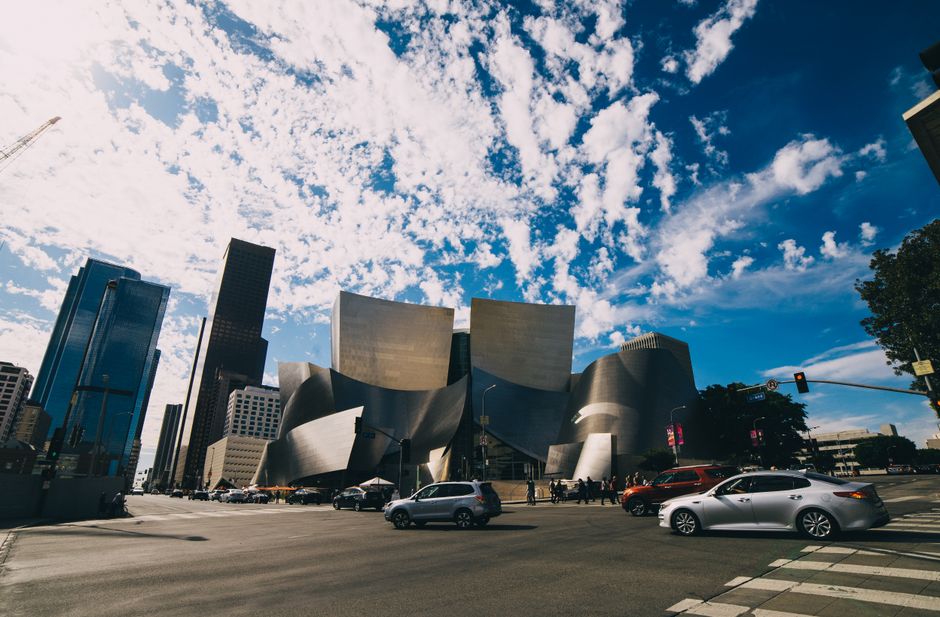
Walk down the back alleys of the Arts District on a Friday night and you'll find something that major fashion weeks struggle to capture: raw creative energy built on collaboration, not competition. Over the past three years, Los Angeles has emerged as an unexpected epicenter for a grassroots fashion movement—one where independent designers, seamstresses, and textile artists are rejecting traditional gatekeepers and creating their own infrastructure.
The shift is tangible. According to the LA Fashion Business Council, independent designer businesses in central LA have grown 34 percent since 2023, while traditional retail sales have plateaued. Studios clustered around East 4th Street and Mateo Street, once affordable only by accident, have transformed into thriving creative hubs where designers share equipment, split studio rent, and collaborate on seasonal collections.
What's driving this movement isn't nostalgia or aesthetic—it's economics and ideology colliding. A recent survey by the Los Angeles Design Initiative found that 68 percent of emerging local designers cite sustainability and community accountability as primary values. These creators are explicitly rejecting the model of mega-production and corporate consolidation that has historically defined fashion's power structure.
Beyond the Arts District, the momentum has spread visibly. The monthly "Made in LA" markets at The Broad's adjacent spaces now draw over 2,000 visitors. Independent boutiques along Melrose Avenue—historically a retail strip dominated by established brands—have increasingly shifted toward consignment and local-designer-only inventory. Some shop owners report that locally designed pieces now account for 40-60 percent of their stock, up from roughly 15 percent five years ago.
What distinguishes this movement from previous independent design waves is its explicitly communal structure. Shared resources are the norm, not the exception. The newly expanded LACDA (Los Angeles Contemporary Design Alliance) operates subsidized studio spaces where monthly rent runs $200-400 per designer—a dramatic drop from the $800-1,200 that independent studios typically demand. Collective purchasing agreements have reduced fabric costs by up to 30 percent.
The cultural shift extends beyond economics. Emerging designers are actively mentoring younger artists, hosting open studio nights, and publishing freely available pattern databases. The "LA Design Open," which debuted in 2024, attracted over 150 independent designers and positioned the city as a counterweight to New York's insular fashion establishment.
For a city built on the mythology of individual stardom, this turn toward collective practice marks a genuine departure. What's emerging on the streets of Downtown LA isn't a new aesthetic movement—it's a fundamental reimagining of how creative work gets made, valued, and shared.
This article was compiled by AI and screened before publishing. See our editorial standards.