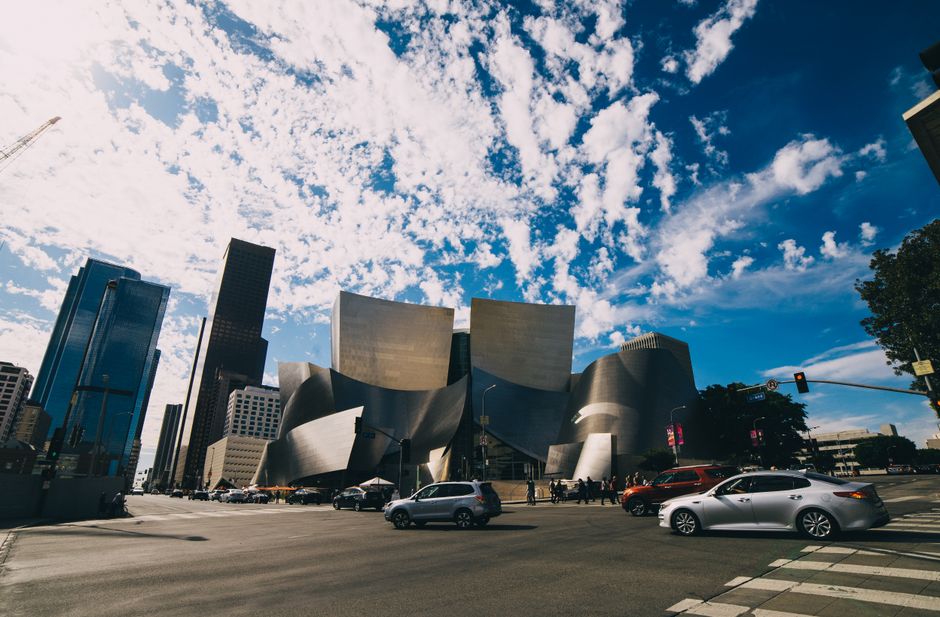
Walk down the newly revitalized stretches of Mateo Street in the Arts District on any given Saturday, and you'll witness something unmistakably Los Angeles: a young designer pinning up samples in a 1,200-square-foot converted warehouse, while next door a sustainable textile lab experiments with lab-grown materials. This is where the city's creative identity is being actively rewoven.
The fashion industry has long been overshadowed by entertainment in Los Angeles's cultural narrative, but that's changing rapidly. The Council of Fashion Designers of America reported last year that LA-based fashion businesses grew 34 percent between 2023 and 2025, with emerging designers clustering in overlooked neighborhoods. The Arts District now hosts over 80 independent fashion studios and production spaces, where monthly rent averages $2,500—substantially cheaper than New York's $6,000-plus for comparable square footage.
What's particularly striking is how this creative surge reflects the city's demographic complexity and global influences. In Koreatown, designers are merging traditional Korean tailoring with contemporary streetwear aesthetics. Along Fairfax Avenue in West Hollywood, a new generation of Black and Brown designers is building brands rooted in hip-hop culture and community activism. Meanwhile, the Fashion Institute of Design & Merchandising continues to evolve, recently launching an incubator focused specifically on circular fashion and zero-waste production.
The California Market Center on the edges of downtown has transformed from a wholesale-only hub into a mixed-use creative campus that now hosts designer showrooms, podcast studios, and collaborative workspaces. Younger creatives view it less as a traditional trade venue and more as proof that Los Angeles can cultivate its own ecosystem—one that doesn't require approval from Paris or Milan.
This matters culturally because fashion has become Los Angeles's argument with itself. The industry represents both the city's democracy—anyone with skill and hustle can theoretically build a brand here—and its persistence in reinvention. Unlike the more hierarchical fashion capitals, LA's creative identity emphasizes hybridity and accessibility. A designer might create haute couture pieces on Monday and consult on sustainable sportswear on Thursday. The boundaries between high fashion, streetwear, and community artmaking blur constantly.
As global uncertainty reshapes migration patterns and international trade, Los Angeles's insular creative economy has become an asset. The fashion industry isn't just making clothes here anymore. It's articulating what the city believes about itself: that culture emerges from neighborhoods, not institutions; that Los Angeles doesn't follow trends, it accidentally creates them; and that creative identity matters more than ever.
This article was compiled by AI and screened before publishing. See our editorial standards.