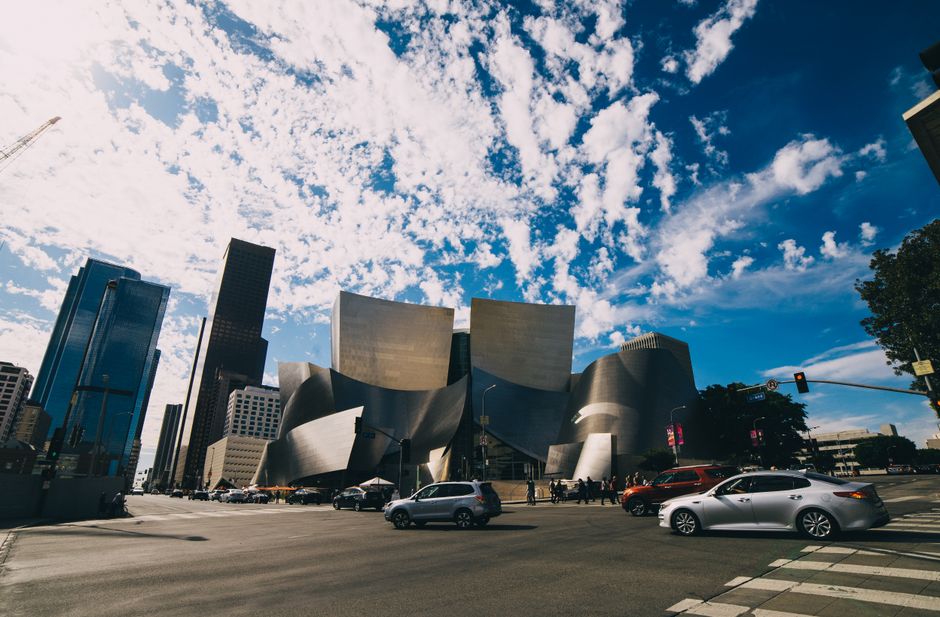
Los Angeles is experiencing a cultural collision this summer that has locals both excited and strategizing. The Greek Theatre in Griffith Park opens its season this week with major headliners, the LA County Museum of Art is running three simultaneous exhibitions drawing record-breaking crowds, and neighbourhood festivals from Silver Lake to Downtown are packed into July's calendar with an intensity not seen since pre-pandemic summers.
The momentum reflects something deeper than seasonal programming. After three years of volatile economic conditions—pandemic shutdowns, inflation, and venue closures—cultural institutions are aggressively competing for the same audience pool. The Greek Theatre's programming, which traditionally spans July through September, now front-loads major acts in early summer to capture crowds before August heat drives attendance down. Ticket prices have climbed accordingly, with premium seats averaging $85-$150, up roughly 30 percent from 2023.
LACMA's current exhibitions—focusing on contemporary photography, Latin American modernism, and experimental video art—have created unexpected bottlenecks in Mid-Wilshire. Museum officials report that summer visitation is running 40 percent above historical averages, prompting them to extend evening hours and manage capacity on weekends. Free admission nights, once held monthly, now occur only twice monthly due to crowd management concerns.
Neighbourhood-level activity reveals how deeply the cultural appetite runs. The LA Times' own tracking of July events counts 127 distinct festivals and pop-ups across the city's neighbourhoods—from Echo Park's Lake Festival to Downtown's Arts District Summer Series. Smaller venues in Los Feliz, Eagle Rock, and Long Beach are reporting sold-out shows for mid-tier artists who previously struggled to fill mid-sized rooms.
But logistics are testing the city's infrastructure. Parking in Griffith Park around the Greek Theatre is becoming a flashpoint, with residents from nearby Los Feliz complaining about gridlock. The heat poses another challenge: venues with outdoor components are installing additional cooling stations and water stations, quietly absorbing costs that aren't reflected in ticket prices. Several smaller festivals have shifted start times to evening, acknowledging that daytime events in 95-degree heat are becoming untenable.
What's driving the conversation among locals isn't just what's happening—it's the question of sustainability. Can the city's cultural infrastructure handle this demand without pricing out its working-class residents? The answer, visible in neighbourhood Facebook groups and arts community forums, remains uncertain as July unfolds.
This article was compiled by AI and screened before publishing. See our editorial standards.