Explore LA's Five Must-See Street Art Districts This Season
From Downtown's geometric revolution to Arts District's gallery-wrapped walls, here's your insider's guide to Los Angeles's most colorful and culturally significant neighborhoods.
From Downtown's geometric revolution to Arts District's gallery-wrapped walls, here's your insider's guide to Los Angeles's most colorful and culturally significant neighborhoods.

Listen to this article · 3:35
Los Angeles has quietly become one of North America's premier destinations for street art, yet many visitors still miss the city's most vibrant creative districts entirely. Unlike traditional galleries with fixed hours and admission fees, LA's street art culture unfolds across open neighborhoods where murals serve as both social commentary and tourist attraction—and the landscape shifts constantly.
Start in the Arts District, roughly bounded by 1st and 4th Streets between Alameda and Santa Fe. This 35-block neighborhood has transformed from industrial warehouse zone into a living gallery since the mid-2000s. The walls here feature work from internationally recognized artists like Shepard Fairey and local collectives. Spring Street in particular concentrates some of the district's most ambitious pieces. Arrive early—the neighborhood fills quickly on weekends, and parking near Traction Avenue and surrounding blocks becomes scarce by midday.
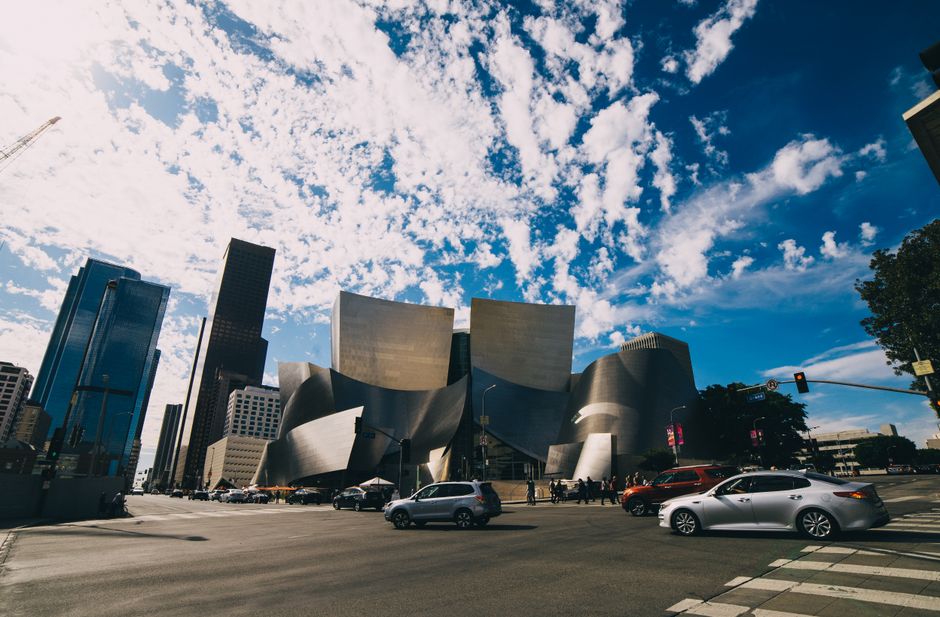
Downtown's Broadway corridor and surrounding blocks showcase a different aesthetic: geometric abstraction and color-blocking that emerged from LA's design community. The Broad Museum area functions as an unofficial anchor, though the real action extends east along the side streets. These pieces tend to be more transient, with new works appearing monthly. Many change faster than Instagram can document them.
For something grittier and historically rooted, head to Boyle Heights, where muralism connects to decades of Chicano activism and immigrant storytelling. Work here carries more narrative weight than pure aesthetics—these walls document community struggles and cultural pride. Respect that you're visiting a residential neighborhood, not a theme park. Stick to main corridors like Whittier Boulevard and the Soto Street area.
Practical considerations: bring cash for the small independent coffee shops and taquerias throughout these districts. Most street art is, by definition, free to view, though supporting neighborhood businesses ensures these areas thrive as living communities rather than outdoor museums. Summer heat hits hard—visit early mornings or late afternoons, particularly if photographing pieces seriously.
The best-kept secret? Take the LA River Greenway Path. This 32-mile urban waterway corridor features continuous walls of curated street art, particularly impressive sections near the Arts District and through Northeast LA. It's functional public art that most tourists never discover.
Street art in Los Angeles remains fundamentally democratic—unlike sanctioned murals in other cities, LA's most authentic pieces live in constant flux, responding to the city's restless creative energy. That unpredictability is precisely the point.
This article was compiled by AI and screened before publishing. See our editorial standards.
How does this story make you feel?
Spread the word
About this article
Published by The Daily Los Angeles
Daily brief
Free, in your inbox before 7am. Weekdays.
More in culture