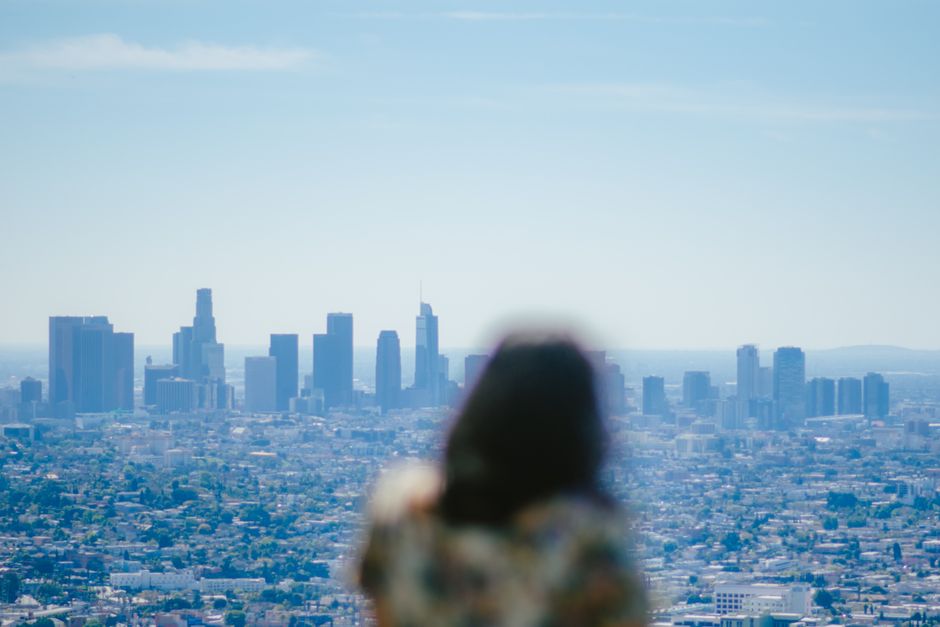
Los Angeles has never been content to stay the same. Walk down Spring Street in Downtown LA today and you're treading on ground that hosted silent film studios, jazz clubs, and now cutting-edge galleries—each era convinced it had invented culture in this city. That perpetual reinvention isn't accident; it's the DNA of a place that has always attracted people with something to prove.
The trajectory begins in the 1920s, when Downtown became the epicenter of early cinema. The Million Dollar Theatre still stands on Broadway, its ornate Spanish Renaissance facade a monument to an era when movie palaces were temples. By the 1940s, Central Avenue had transformed into the thriving heart of Black LA's jazz and blues scene, rivaling Harlem in cultural significance before urban renewal and freeway construction decimated the neighborhood in the 1960s.
The Sunset Strip's evolution mirrors the city's own contradictions. What started as a strip of clubs and venues in the 1920s became synonymous with counterculture and rock music by the 1960s, then reinvented itself as a luxury retail corridor before recent years brought a more curated blend of heritage venues and new spaces. The Roxy Theatre, Whisky a Go Go, and the Troubadour remain operational—now charging $75-150 per ticket where they once filled seats for pocket change.
Silver Lake and Los Feliz emerged as the intellectual creative class moved eastward in the 1990s, drawn by affordable housing and proximity to Griffith Observatory. Today, a typical one-bedroom apartment in these neighborhoods runs $2,200-2,800 monthly—a far cry from the broke artists who seeded the scene. Yet the DIY ethos lingers in converted warehouses and artist collectives still fighting displacement.
What distinguishes LA's cultural identity from other major cities is its resistance to a single narrative. While New York built its reputation on density and concentrated artistic movements, LA sprawled across neighborhoods that operated almost independently. Silver Lake had its own scene. Long Beach developed its own hip-hop legacy. The San Fernando Valley cultivated punk and experimental music.
Today's challenge is preservation amid gentrification. Organizations like the LA Conservancy work to protect architectural heritage while cultural institutions grapple with how to remain relevant as streaming platforms and social media reshape how people consume art. The question isn't whether LA will reinvent itself again—it will. The question is whether it can do so while honoring the communities and venues that built its reputation as America's most creative city.
The answer may depend less on nostalgia than on whether the next generation can afford to live here long enough to create it.
This article was compiled by AI from the sources linked above and screened before publishing. See our editorial standards.