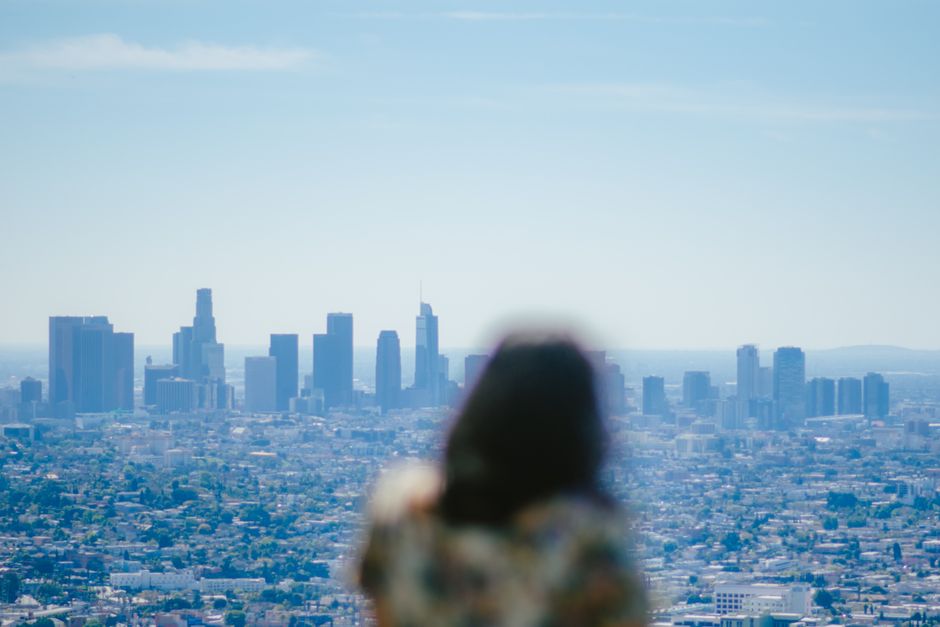
In the 1970s, Los Angeles's art world was scattered and uncertain. While New York dominated the national conversation, LA's galleries clustered modestly around Downtown's limited footprint and a handful of progressive spaces in Hollywood. The city lacked the institutional infrastructure, the critical mass of collectors, and the international visibility that defined serious art capitals. Few would have predicted what was coming.
The turning point arrived in the 1990s, when artists and galleries began an exodus eastward. Warehouse conversions in Arts District neighborhoods like the former industrial zones near the Los Angeles River created affordable studio space and exhibition venues. The Broad Contemporary Art Museum's 2008 opening—alongside the simultaneous renovation of the entire Museum of Contemporary Art complex—signaled something fundamental: Los Angeles had committed serious capital to its cultural future. Today, LACMA attracts over 1.5 million visitors annually, while the Broad itself has become one of the nation's most visited art institutions.
Yet the real revolution happened at street level. Santa Monica's gallery corridor along Colorado Boulevard and the Westside's emerging contemporary spaces created geographical diversity that prevented any single neighborhood from monopolizing the scene. Meanwhile, Culver City emerged as an unexpected powerhouse, transforming from a studio backlot town into a legitimate art destination with over 60 galleries operating within a few miles. The Broad Stage and Crafts and Folk Art Museum anchored serious cultural programming that attracted international collectors and curators.
The democratization of access has been equally transformative. Where gallery exhibitions once felt exclusive, institutions now offer free or pay-what-you-wish hours. The LA Art Show, which launched in 1991 and now attracts approximately 60,000 attendees annually, opened the market to emerging collectors. Meanwhile, digital platforms have flattened geographic barriers entirely—something that accelerated during pandemic disruptions and fundamentally altered how younger audiences engage with LA's scene.
Today's landscape bears little resemblance to the fragmented ecosystem of 50 years ago. Gallery prices have skyrocketed in traditional strongholds like West Hollywood and Santa Monica, pushing experimental spaces into formerly overlooked neighborhoods like Long Beach and Highland Park, perpetuating the cycle of discovery and transformation that defines contemporary LA. From a regional curiosity to a genuine global contender, the city's art institutions now shape international conversations about contemporary practice, proving that persistence, investment, and creative risk-taking can genuinely remake a city's cultural identity.
This article was compiled by AI from the sources linked above and screened before publishing. See our editorial standards.