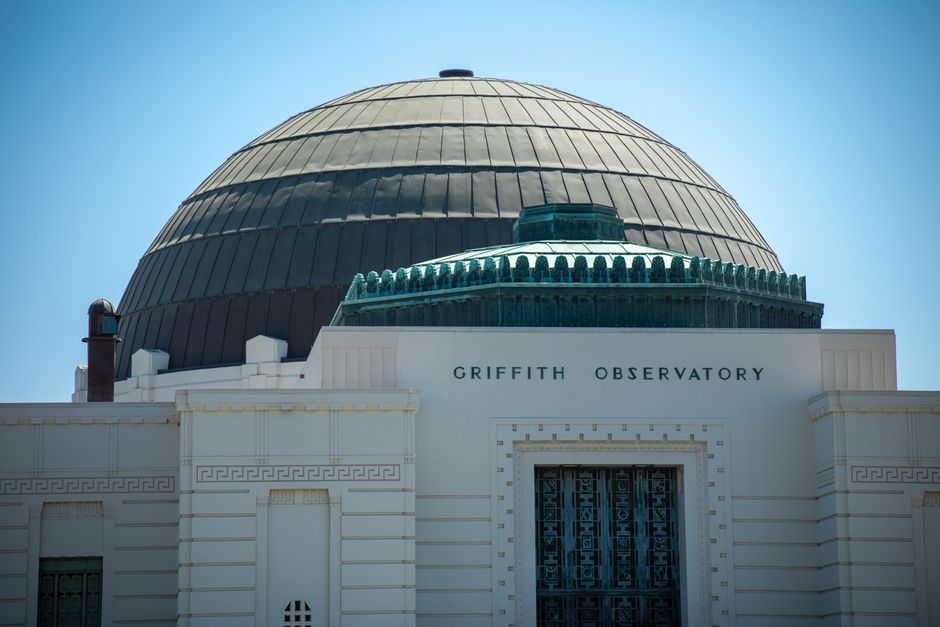
How Los Angeles is Mining Its Past to Shape Its Creative Future
From the Arts District to South LA, heritage preservation is becoming the blueprint for the city's next cultural renaissance.
From the Arts District to South LA, heritage preservation is becoming the blueprint for the city's next cultural renaissance.
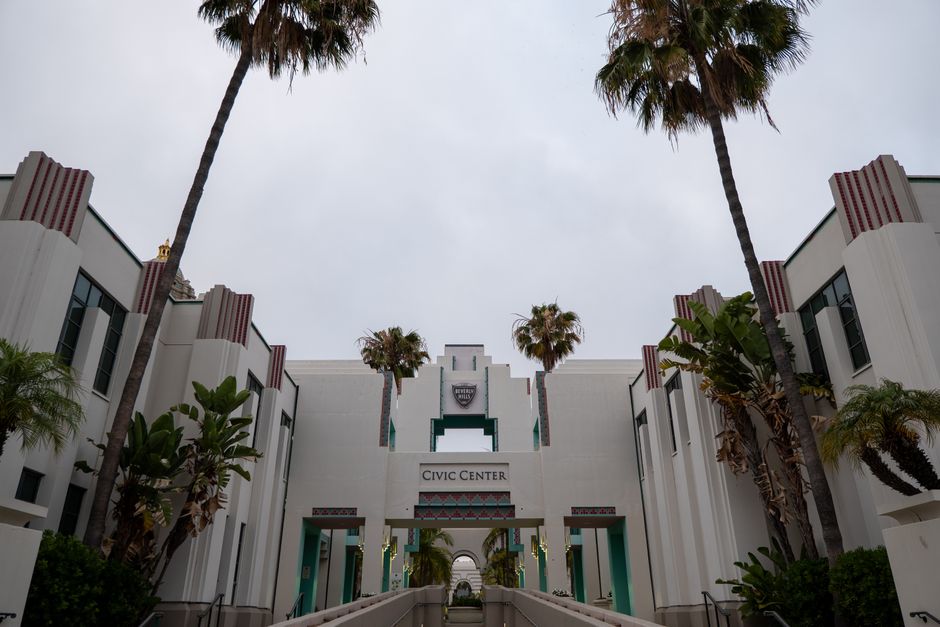
Walk through the Los Angeles Arts District on a Saturday afternoon and you'll see something remarkable: young muralists working alongside historians, gallery owners collaborating with community archivists, and a generation of creative professionals deliberately rooting their work in the city's layered past.
This isn't nostalgia. It's strategy. As Los Angeles grapples with rapid gentrification and cultural displacement, a growing movement of artists, curators, and neighborhood organizations are using local history as both anchor and accelerant—preserving identity while catalyzing innovation across the city's most vibrant creative zones.
The shift is visible at institutions like the Autry Museum of the American West, which recently expanded its community partnerships across Highland Park and Northeast LA, and at grassroots efforts like the South Central Cultural Center, where archival projects have become launchpads for emerging Black and Latino artists. The LA Conservancy reports that heritage-focused cultural initiatives have increased 34% over the past three years, with particular growth in Boyle Heights, Silver Lake, and downtown's historic core.
"Heritage isn't static—it's generative," says the ethos driving venues like the Broad Museum, which pairs contemporary exhibitions with community history programming, and smaller spaces like Skylight Books in Los Feliz, where author talks regularly connect current creative work to the neighborhood's literary lineage.
The economic implications are equally striking. According to the LA Department of Cultural Affairs, creative economy jobs in heritage-anchored neighborhoods grew 12% between 2023 and 2025, compared to 4% citywide. A studio in the Arts District that might rent for $1,800 per month attracts artists specifically because of its proximity to the neighborhood's Mexican American and Japanese American heritage sites—spaces that inform their work.
What distinguishes this moment is intentionality. Rather than allowing history to become a marketing veneer for developers, community organizations are embedding heritage work into creative practice itself. The Partnership for Los Angeles Schools' cultural equity initiatives now include local history curricula in 23 schools across South LA, introducing young people to their neighborhoods as subjects worthy of artistic exploration.
From Chicano muralism traditions informing new public art projects to oral history initiatives capturing stories of early Japanese American residents in Little Tokyo, Los Angeles is discovering that cultural identity isn't something to preserve in amber—it's a living creative resource. As the city continues to transform, this approach suggests that the past might be the most useful map for imagining what comes next.
This article was compiled by AI from the sources linked above and screened before publishing. See our editorial standards.
How does this story make you feel?
Spread the word
About this article
Published by The Daily Los Angeles
Daily brief
Free, in your inbox before 7am. Weekdays.
More in culture