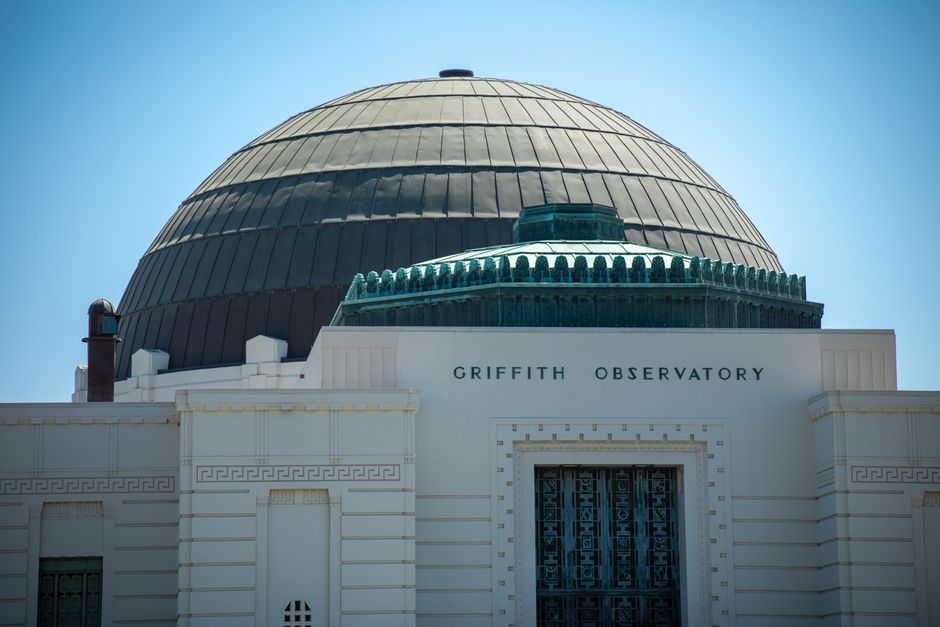
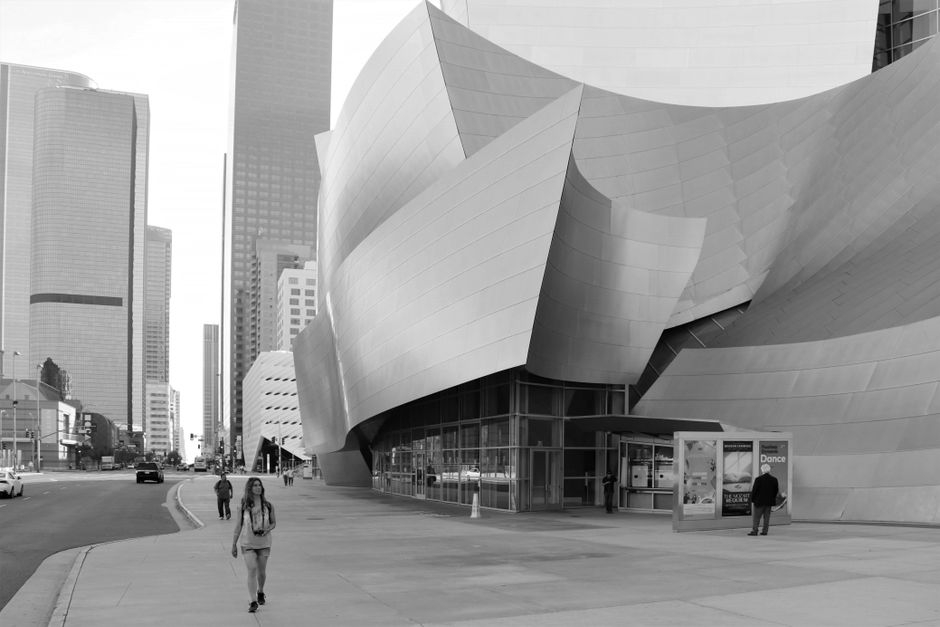
Los Angeles didn't always command respect in the international art world. In the 1920s, when New York was consolidating power as America's cultural capital, LA was still regarded as a provincial boomtown where movie studios mattered more than masterpieces. Yet today, from the sprawling Getty Center in Brentwood to the scrappy artist collectives of the Arts District, Los Angeles has constructed something genuinely distinctive: an art ecosystem defined less by reverence for tradition than by experimentation and geographic diversity.
The transformation began in earnest after World War II, when European artists fleeing conflict found their way west. The original LA art scene coalesced around small galleries in Downtown's now-gentrified warehouse spaces and along La Cienega Boulevard in West Hollywood, where dealers began clustering in the 1950s. By the 1960s, the Ferus Gallery—founded by Walter Hopps and Irving Blum on North La Cienega—became legendary for championing local abstractionists and the emerging Light and Space movement, a distinctly Californian aesthetic born from the region's unique light and landscape.
The 1980s and '90s marked acceleration. The Museum of Contemporary Art opened downtown in 1986, signaling institutional commitment. Galleries migrated eastward to Santa Monica and Venice, then south to Long Beach. Today, the scene sprawls across multiple nodes: the established prestige of Wilshire Boulevard, the commercial vigor of West Hollywood and Beverly Hills, and the raw energy of the Arts District, where converted factories now house over 300 galleries serving a younger, more diverse collector base.
Recent decades have solidified LA's position. The Getty Center, which opened in 1997, attracts nearly 2 million visitors annually and has become a destination in itself, not merely a repository. The Broad, which opened to critical acclaim in 2015, brought major contemporary collectors' work into public view. Meanwhile, smaller galleries and artist-run spaces—many operating on shoestring budgets—have maintained the experimental spirit that defines LA's contribution to global art discourse.
What distinguishes Los Angeles is not centralized prestige but distributed creative energy. Unlike New York's hierarchical gallery structure, LA's art world remains horizontally organized, with serious collectors, emerging artists, and institutional players competing and collaborating across geographic boundaries. Public funding remains limited compared to peer cities, yet the scene thrives through private investment and a cultural ethos that still embraces risk.
From La Cienega's postwar galleries to today's digital-native platforms, Los Angeles has built an art world that reflects its own character: decentralized, optimistic, and perpetually reinventing itself.
This article was compiled by AI from the sources linked above and screened before publishing. See our editorial standards.