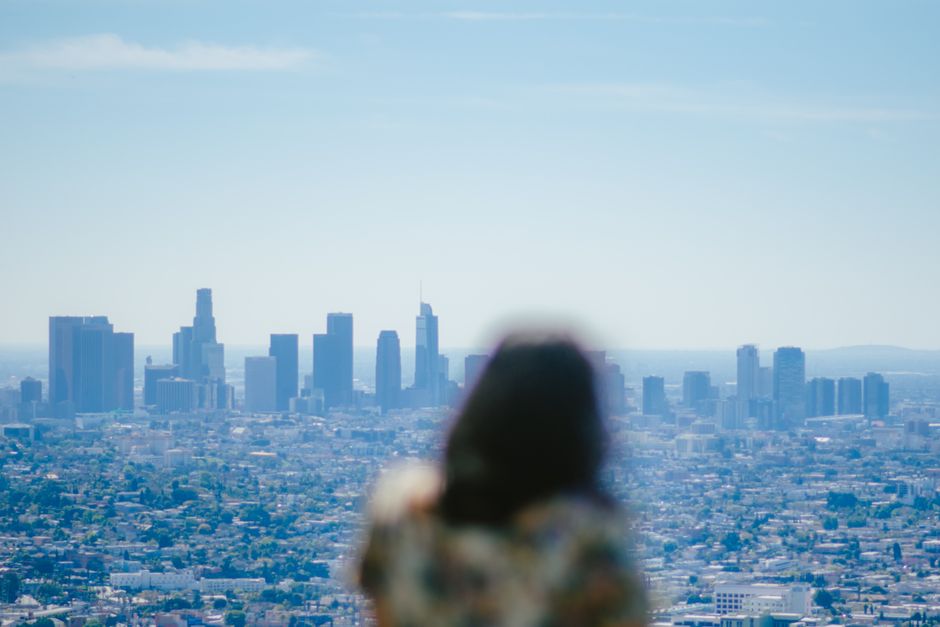
Walk through the glass corridors of The Broad on Grand Avenue and you're experiencing the result of meticulous vision: a $140 million building completed in 2015 that required years of planning, fundraising, and institutional coordination. Yet few visitors know the infrastructure of decision-making that made it possible—the museum professionals, philanthropic advisors, and arts administrators who spent countless hours in planning meetings across downtown Los Angeles.
The story of LA's arts scene is fundamentally about people who believed the city deserved world-class institutions. At LACMA, the 50-acre complex in the Miracle Mile neighbourhood that attracts over 1.8 million visitors annually, successive directors and curators made choices about what LA residents and tourists would see. The decision to commission Chris Burden's "Urban Light" installation in 2008—those 202 vintage street lamps that have become an Instagram staple—came from curators asking a simple question: what could transform this museum into a destination?
The Getty, perched above Brentwood with its $1.3 billion endowment, represents perhaps the most ambitious institutional commitment to arts access on the West Coast. Its 1997 opening followed decades of architectural and administrative work, but the real story belongs to the scholars, educators, and collection managers who determine what 2.3 million annual visitors encounter.
Across Los Angeles, smaller institutions tell equally compelling stories. The Museum of Contemporary Art (MOCA) on South Grand Avenue emerged from 1980s ambitions to create a space for living artists. The Huntington Library in San Marino, with its 700,000 volumes and 7 million manuscripts, exists because of one man's collecting obsession transformed into public trust.
What's often missing from gallery conversations is recognition of the curators earning $65,000 to $120,000 annually, the registrars managing multi-million-dollar collections, the education directors designing programmes for underserved neighbourhoods. These professionals shape cultural memory. When LACMA decided to diversify acquisitions in the 2010s, or when The Broad committed to free general admission, those weren't Board room accidents—they were choices made by people who understood that museums' power comes through access.
As Los Angeles competes globally for cultural prestige—hosting the 2028 Olympics will demand more institutional coordination—the question becomes who will lead the next chapter. The next generation of museum directors, curators, and administrators is already working in storage rooms and administrative offices across the city, making decisions today that will define LA's cultural identity for decades.
This article was compiled by AI from the sources linked above and screened before publishing. See our editorial standards.