From Tagging to Tourism: How Los Angeles Became the Global Capital of Street Art
Three decades of transformation have turned once-neglected alleys into open-air galleries, reshaping neighborhoods and creating a multimillion-dollar creative economy.
Three decades of transformation have turned once-neglected alleys into open-air galleries, reshaping neighborhoods and creating a multimillion-dollar creative economy.
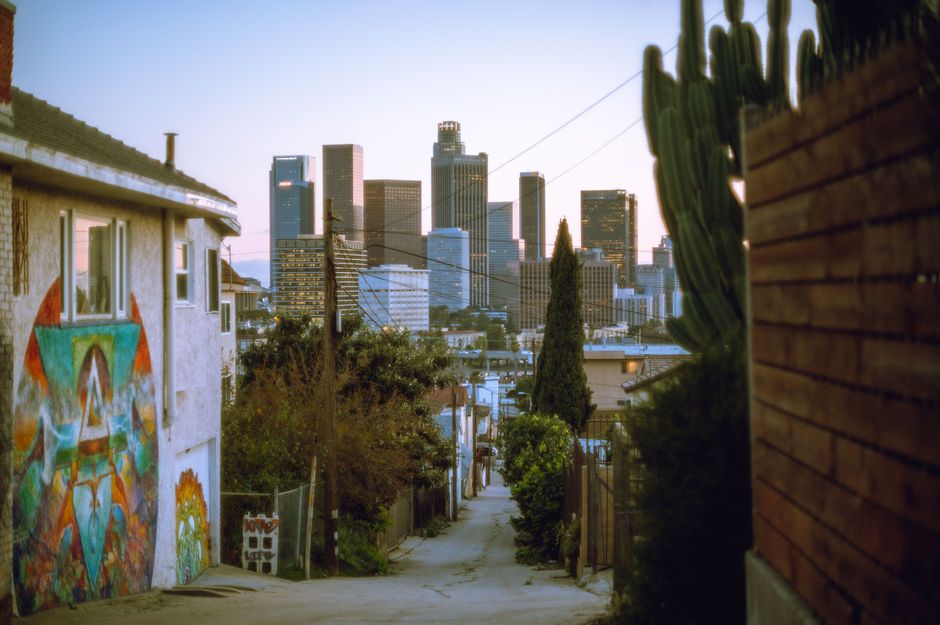
Walk down the Arts District's Traction Avenue today and you'll see carefully curated murals selling prints for thousands of dollars. Drive through Koreatown's alleys and find Instagram-famous installations drawing international visitors. It's a far cry from the 1990s, when Los Angeles street art existed in the shadows—literally and figuratively—as something the city's establishment wanted erased rather than celebrated.
The transformation began in earnest in Downtown's Arts District around the early 2000s, when property developers and city planners recognized that vibrant street art could revitalize economically struggling neighborhoods. What started as tacit tolerance of murals evolved into active commissioning. Today, the Arts District alone hosts galleries, coffee shops, and design studios that wouldn't exist without the visual energy graffiti and street art initially created. Property values in the neighborhood have skyrocketed—average commercial rents now hover around $4 to $6 per square foot monthly, up from less than $2 in the early 2000s.
But this success story contains complications. Organizations like the Los Angeles Street Art Collective and Loisaida Inc. have worked to maintain artistic integrity while commercialization accelerates. The murals that once represented rebellious expression now often require permits and approval from property owners—a double-edged sword that professionalized the scene while domesticating its original spirit. Wynwood-adjacent neighborhoods in Miami have watched this evolution closely; Los Angeles essentially wrote the playbook.
Silver Lake and Los Feliz emerged as secondary creative hubs by the 2010s, with Hyperallergic and local arts publications documenting explosive growth along Vermont Avenue and Sunset Boulevard. Boyle Heights, meanwhile, experienced more fraught tensions between longtime muralists and gentrification, becoming a flashpoint for debates about who gets to benefit from street art's cultural capital.
Today, street art tours charge $40 to $75 per person, with guides navigating an estimated 15,000+ active murals across the city. Major brands—from Nike to Netflix—commission artists for advertising campaigns, creating pathways to professional careers that simply didn't exist in earlier decades. Young artists who once faced arrest now earn six-figure incomes.
The 2024 Los Angeles Department of Cultural Affairs report noted that street art and muralism contributed an estimated $200 million annually to local creative economy sectors. Yet tension persists: longtime artists worry about cultural appropriation, while neighborhood residents debate whether street art attracts desirable development or accelerates displacement.
Thirty years after the first permitted murals appeared, Los Angeles has answered a fundamental question: what happens when you stop fighting art and start investing in it? The answer remains complicated and evolving.
This article was compiled by AI from the sources linked above and screened before publishing. See our editorial standards.
How does this story make you feel?
Spread the word
About this article
Published by The Daily Los Angeles
Daily brief
Free, in your inbox before 7am. Weekdays.
More in culture