Live Music Venues Los Angeles: LA's Creative Hub
Discover how LA's 340+ live music venues—from Silver Lake clubs to downtown arenas—are redefining the city's cultural identity and driving $2.8B in annual economic impact.
Discover how LA's 340+ live music venues—from Silver Lake clubs to downtown arenas—are redefining the city's cultural identity and driving $2.8B in annual economic impact.
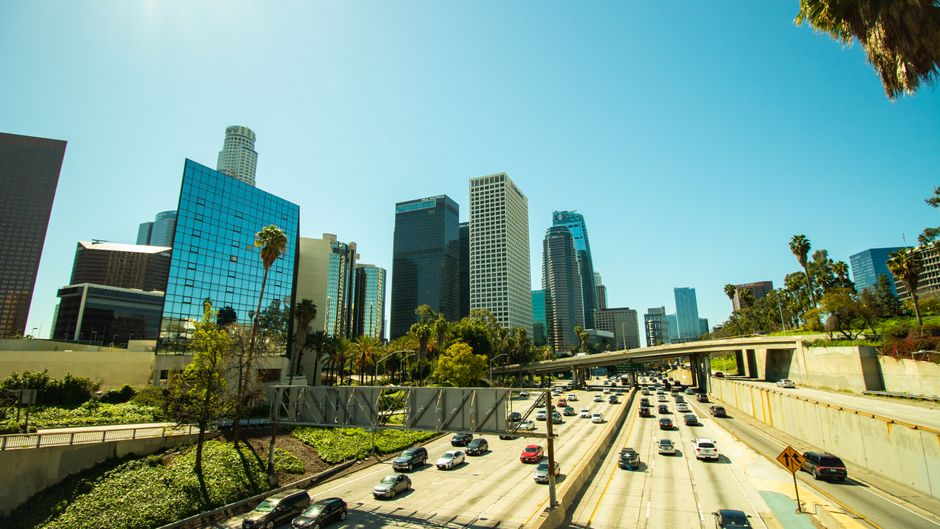
Walk down Sunset Boulevard on a Friday night, or venture into the Arts District's converted warehouses, and you'll witness what city planners won't tell you in official documents: Los Angeles is experiencing a creative renaissance powered almost entirely by its live music ecosystem.
The numbers tell part of the story. According to a recent Cultural Affairs Department report, over 340 active venues across the city generate more than $2.8 billion annually in direct and indirect economic impact. But statistics miss the real story—how these spaces have become the primary way Angelenos define themselves and their neighborhoods.
The transformation is most visible in formerly overlooked areas. Silver Lake's independent venue circuit—anchored by clubs like The Echoplex and Regent—has attracted a creative class that's redesigned the entire neighborhood's identity. Similar dynamics are reshaping Koreatown, where venues like The Fonda and El Rey have sparked a broader cultural investment. Even downtown Los Angeles, long dismissed as a financial district, now thrives partly because of The Novo, The Belasco, and the network of mid-sized venues in the former warehouse district.
What's striking isn't just the economic activity but the cultural democratization these spaces represent. Ticket prices range dramatically—from $15 shows at intimate Echo Park venues to $150+ for major arena acts at Crypto.com Arena or Hollywood Bowl. This accessibility matters. A teenager in Van Nuys can catch an emerging artist at The Fonda for less than dinner, then years later return as a touring musician. The venues become part of Los Angeles's social fabric in ways that streaming services never will.
The pandemic fundamentally altered how venues operate and what they mean to the city. Post-2024 recovery forced many smaller clubs to innovate aggressively. Today's mid-size venues operate as genuine cultural incubators—hosting not just concerts but art installations, community forums, and experimental performances that blur genre boundaries.
Los Angeles's creative identity has always been inseparable from entertainment, but historically that meant film and television. Today's music venues suggest something different: a city increasingly defining itself through direct human experience rather than mediated content. When residents gather at The Wiltern on Wilshire Boulevard or at one of Highland Park's converted storefronts, they're not just consuming culture—they're actively creating the city's identity in real time.
That's what makes 2026 feel like a pivotal moment. As other American cities struggle with cultural infrastructure, Los Angeles's live music venues have become its most authentic measure of vitality—less a subset of culture than its beating heart.
This article was compiled by AI from the sources linked above and screened before publishing. See our editorial standards.
How does this story make you feel?
Spread the word
About this article
Published by The Daily Los Angeles
Daily brief
Free, in your inbox before 7am. Weekdays.
More in culture