When the Whisky a Go Go opened on Sunset Boulevard in 1964, no one could have predicted it would become the launching pad for The Doors, X, and countless punk and rock acts that would define generations. Yet that cramped West Hollywood club—still operating today—represents just the beginning of Los Angeles's remarkable evolution as a live music destination.
The journey from those early Sunset Strip haunts to today's sprawling ecosystem of venues reveals something fundamental about the city itself: an almost restless need to reinvent, expand, and push boundaries. Where New York's music scene developed vertically around CBGB and Mercury Lounge, Los Angeles spread horizontally across neighborhoods, creating distinct cultural pockets that thrived independently before colliding at festival grounds and amphitheaters.
The 1970s and '80s saw the rise of the Hollywood Bowl, which by 1922 was already America's largest natural amphitheater. But the real explosion came with the punk and new wave movements that claimed the Roxy Theatre and the Starwood on Sunset. By the 1990s, venues like The Palladium and House of Blues brought bigger names to Downtown Los Angeles, a neighborhood that had largely ceded cultural relevance to the Westside.
The 2000s marked a fundamental shift. The Fonda Theatre, the Wiltern, and later the Hollywood Pantages repositioned themselves as mid-sized venues perfect for touring acts—the sweet spot between intimacy and scale. Meanwhile, the rise of larger facilities like the Staples Center (now Crypto.com Arena in Downtown) meant L.A. could finally compete with New York and Chicago for major arena tours and festivals.
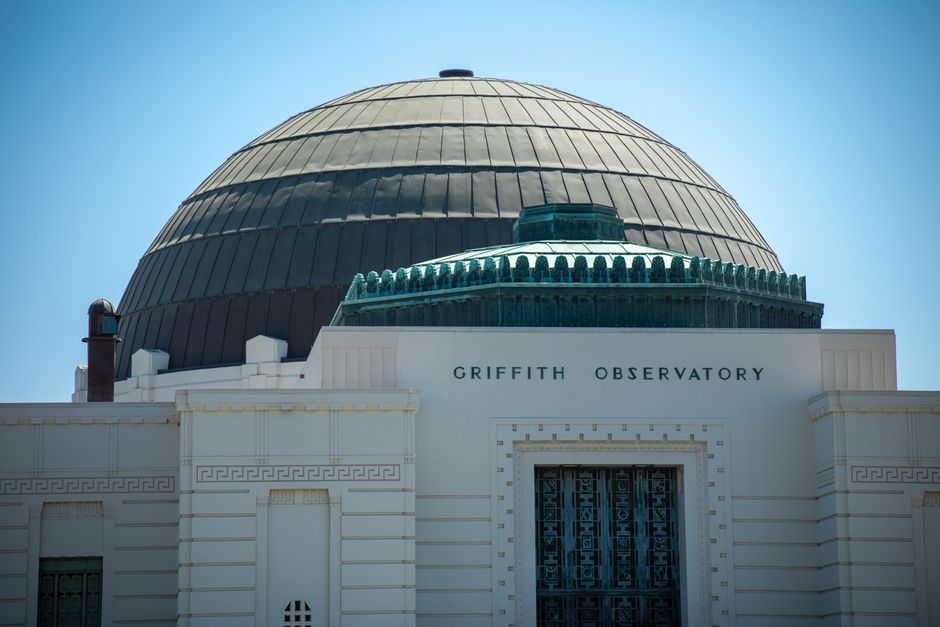
Today's landscape is staggering in its diversity. From the Greek Theatre in Griffith Park to the Echo in Echo Park to the Ford Amphitheatre in Hollywood, the city hosts over 5,000 ticketed live events annually across more than 200 venues. Average ticket prices hover around $65-$85 for mid-tier shows, though arena acts regularly exceed $150. The Hollywood Bowl alone draws nearly 2 million visitors each summer season.
What's remarkable is that the city's older, smaller venues haven't been displaced by this expansion—they've been revitalized. The Fonda, the Roxy, and the Whisky remain essential stops on any artist's touring circuit, proof that L.A.'s live music scene isn't a zero-sum game. Instead, it's an ecosystem where artists graduate from sweaty club dates to proper theaters to arena shows, each stage a reflection of the city's democratic approach to culture.
In a city perpetually obsessed with the next big thing, Los Angeles's live music venues have managed the paradox of honoring their past while remaining utterly present. That contradiction—nostalgia and innovation locked in eternal embrace—is perhaps the truest reflection of Los Angeles itself.
This article was compiled by AI from the sources linked above and screened before publishing. See our editorial standards.