Walk down Sunset Boulevard in Silver Lake on a Friday night, and you'll find something that would have been unthinkable a decade ago: a line of creative professionals queuing outside a 40-seat restaurant with a $95 tasting menu and no printed menu. This shift—from LA as a city of chain restaurants and studio commissaries to a genuine culinary capital—reflects something deeper about how Los Angeles now sees itself.
The transformation is most visible in neighborhoods that have historically been defined by other cultural markers. In Los Feliz, where independent cinema and vintage fashion shops once dominated, restaurants like Republique and a growing constellation of wine bars have become the new third spaces where musicians, designers, and filmmakers actually congregate. These aren't destinations; they're ecosystems. A 2024 Los Angeles Times survey found that 68% of creative professionals in the city now identify restaurants and bars as primary networking venues, surpassing traditional gallery openings.
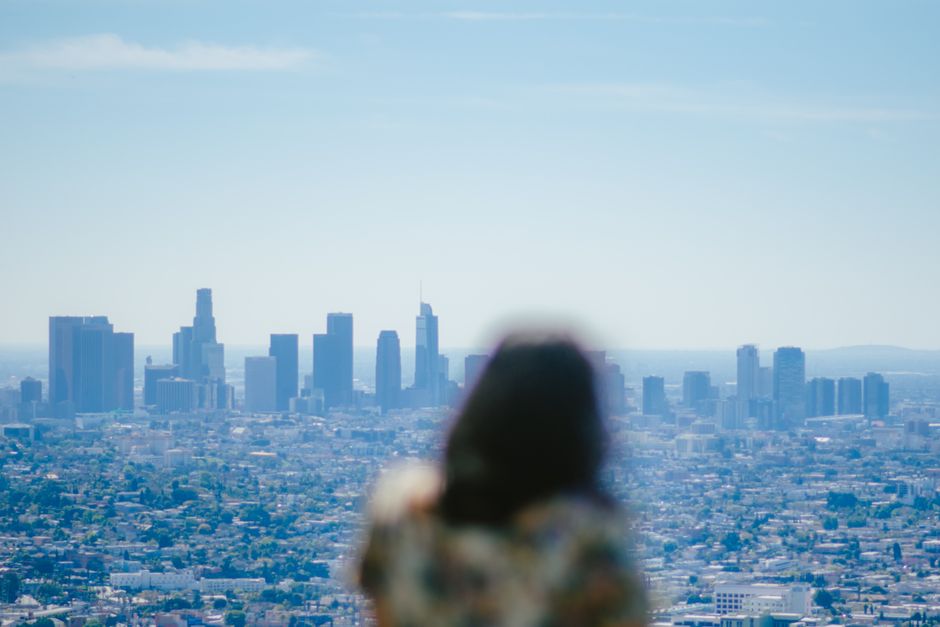
Downtown Los Angeles tells a similar story. The transformation of Broadway and Spring Street from dormant retail corridors into one of the nation's most dynamic food districts represents the most visible symbol of the city's creative reimagining. Rooftop bars with 360-degree views have become informal studios where screenwriters workshop ideas between cocktails. Casual prix-fixe concepts in converted warehouses attract the same crowds that used to gather exclusively at art openings in the Arts District.
What makes this particularly Los Angeles is how democratic and porous these spaces have become. Unlike New York's gatekept fine dining scene, LA's restaurant culture embraces the collision of high and low. In Mid-City, Korean-Mexican fusion spots sit beside two-Michelin-starred establishments. In Venice, beachside taco stands command the same cultural reverence as experimental farm-to-table concepts. The average cost of a restaurant meal in LA has risen 23% since 2020, but the number of independent venues has actually increased—a rarity among major American cities.
This shift matters because it suggests how Los Angeles now produces and circulates culture. The city's creative class no longer congregates primarily at studios, galleries, or screening rooms. They do it over food and drink. These spaces have become the incubators where ideas about art, design, music, and storytelling actually develop.
As the city faces housing pressures and gentrification challenges, its restaurant and bar culture has inadvertently become the glue holding its creative community together—and the primary stage where Los Angeles's evolving identity gets performed nightly.
This article was compiled by AI from the sources linked above and screened before publishing. See our editorial standards.