Walk down Whittier Boulevard in East Los Angeles on any given Saturday, and you'll see the tension playing out in real time. Historic murals depicting Chicano activism share walls with construction notices. Longtime taquerías sit next to gleaming new condos listing at $850,000. It's a collision of pasts and futures that has sparked an urgent conversation about who gets to tell Los Angeles's story.
Over the past eighteen months, a groundswell of community-led initiatives has emerged to document and preserve the cultural identity of neighborhoods facing rapid demographic and economic shifts. The Boyle Heights Historical Society, operating since 1983, reports a 40 percent surge in archival requests and walking tour bookings. Meanwhile, the South LA Heritage Project—a volunteer collective founded in 2024—has already documented over 2,000 oral histories from residents in neighborhoods like Leimert Park, Vermont Avenue, and Central Avenue, once the beating heart of Black Los Angeles.
"We're not waiting for institutions to decide what matters," said a spokesperson from the South LA Heritage Project, explaining that their work focuses on capturing stories from longtime residents before displacement accelerates further. Their digital archive is free and publicly accessible, a deliberate choice to keep cultural memory in community hands rather than behind museum paywalls.
The urgency isn't abstract. The LA Times reported that median rents in Boyle Heights increased 23 percent between 2020 and 2024. Leimert Park, historically a center of Black artistic and intellectual life, has seen similar pressures. These aren't just statistics—they represent families leaving, businesses closing, cultural institutions shrinking.
What's different this time is how organized the resistance has become. The LA Conservancy, the Institute of the North American West at USC, and smaller grassroots groups are collaborating on a city-wide initiative to nominate historically significant sites for landmark status. Three new designations were approved just this month, including a 1950s community center on Figueroa Street that served as a gathering place for Japanese American residents after the internment era.
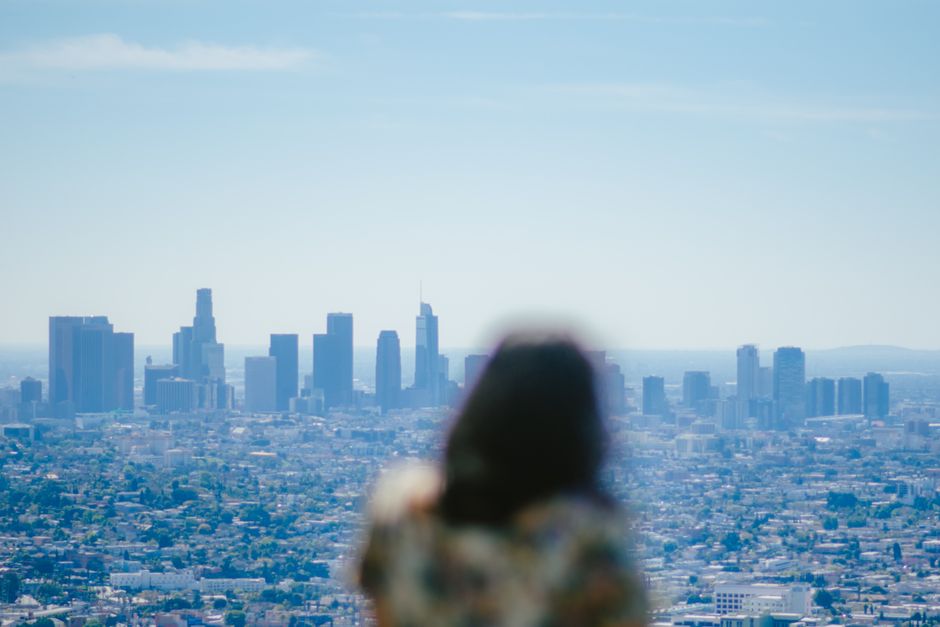
For many Angelenos, this moment represents a reckoning. Los Angeles has always been a city of reinvention, but the speed and scale of current change feels different. The question locals are wrestling with isn't whether development will happen—it will. It's whether the city will remember who it was, and who lived here, before the skyline changed forever.
This article was compiled by AI from the sources linked above and screened before publishing. See our editorial standards.