LA's Shifting Investment Landscape: What Businesses Need to Know as Markets Recalibrate in 2026
Rising interest rates, volatile crypto markets, and changing consumer spending patterns are reshaping Los Angeles's competitive business environment.
Rising interest rates, volatile crypto markets, and changing consumer spending patterns are reshaping Los Angeles's competitive business environment.

Listen to this article · 3:54
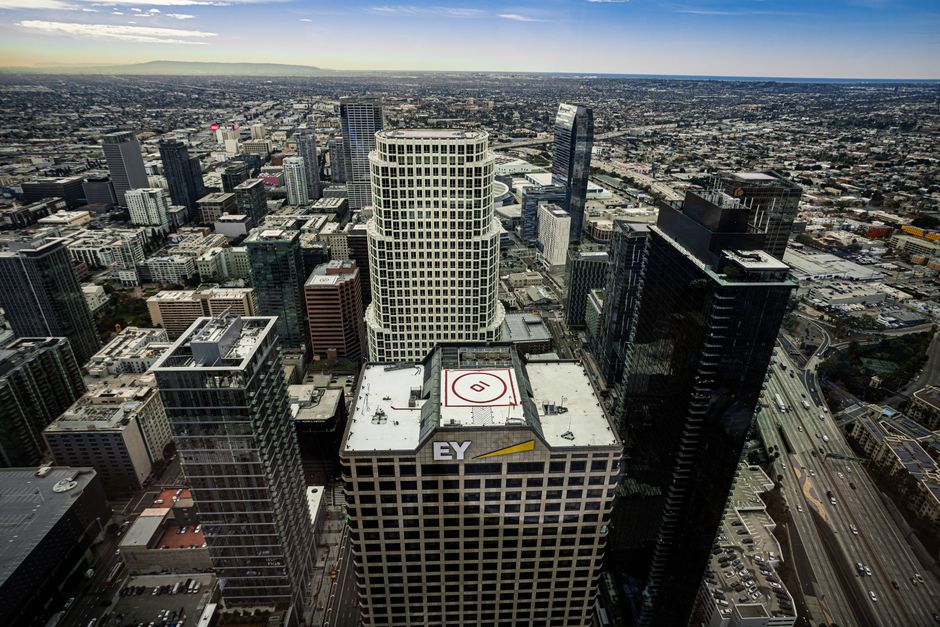
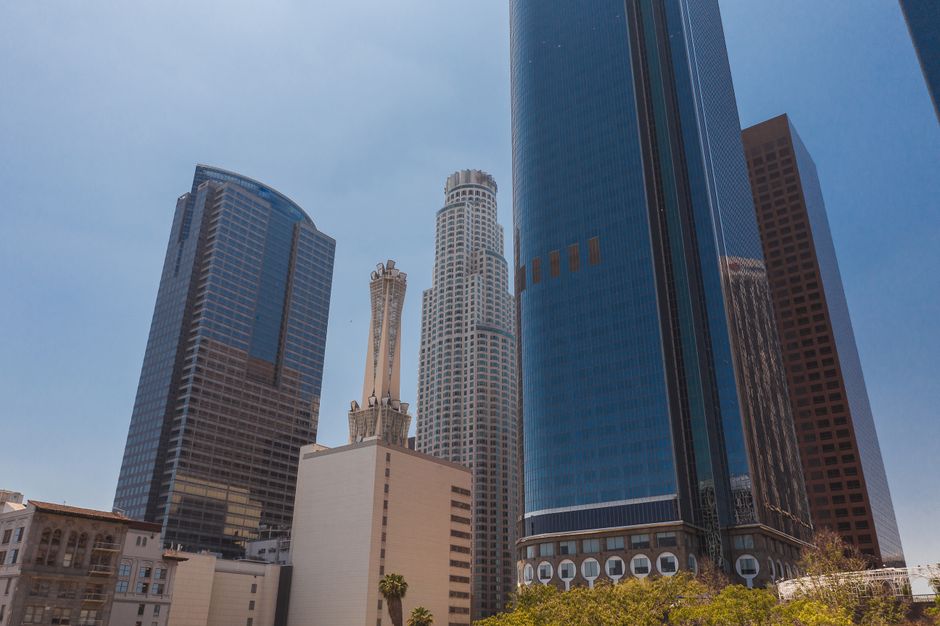
Los Angeles's business community faces a critical inflection point as investment flows and cost pressures reshape the local economy in ways not seen since the pandemic recovery. Commercial real estate in Koreatown and Downtown LA's Financial District is seeing renewed volatility, with Class A office space hovering around $4.50 per square foot monthly—up nearly 15% from early 2025—as companies reassess their physical footprints in an uncertain climate.
The cryptocurrency volatility that has dominated national headlines is hitting LA's tech corridor particularly hard. From Santa Monica to Culver City, venture-backed startups that rode the digital asset boom are now tightening budgets and extending fundraising timelines. Venture capital deployment in Southern California dropped 22% in Q1 2026 compared to the same period last year, according to regional investment trackers, forcing emerging companies to reconsider hiring and expansion plans.
Retail operators across Los Angeles are recalibrating as well. Consumer spending on discretionary goods—a crucial metric for the city's flourishing fashion and entertainment districts on Melrose Avenue, Abbot Kinney Boulevard in Venice, and throughout Beverly Hills—has softened. Department store anchors in regional malls are consolidating, while smaller independent retailers report flat foot traffic compared to 2025.
What's particularly acute for LA businesses right now is the cost-of-living squeeze affecting their workforce. Commercial rents in prime neighborhoods like Silver Lake and Echo Park have stabilized but remain elevated, while residential rental costs in surrounding areas continue outpacing wage growth. A one-bedroom apartment in Mid-City LA averages $2,100 monthly, straining the service workers, creative professionals, and administrative staff that form the backbone of the local economy.
Industry watchers say businesses operating in Los Angeles should focus on three immediate priorities: First, reassess supply chain dependencies—global trade uncertainty means redundancy is now a feature, not a bug. Second, invest in workforce retention through creative compensation structures, as traditional salary increases are becoming harder to justify in this environment. Third, scrutinize customer acquisition costs; the days of easy growth funded by abundant capital are over.
Banking institutions serving the LA region are adjusting lending standards as well, making it harder for small and medium-sized enterprises to access credit lines that fueled expansion during cheaper-money years. The Silver Lake venture capital community, long an engine for LA's innovation economy, is moving toward later-stage, profitable-pathway companies rather than pure growth-at-any-cost models.
For businesses headquartered in Los Angeles or expanding operations here, the message is clear: the market is demanding discipline, clarity, and sustainable unit economics. The era of cheap money is definitively over.
This article was compiled by AI and screened before publishing. See our editorial standards.
How does this story make you feel?
Spread the word
About this article
Published by The Daily Los Angeles
Daily brief
Free, in your inbox before 7am. Weekdays.
More in Business