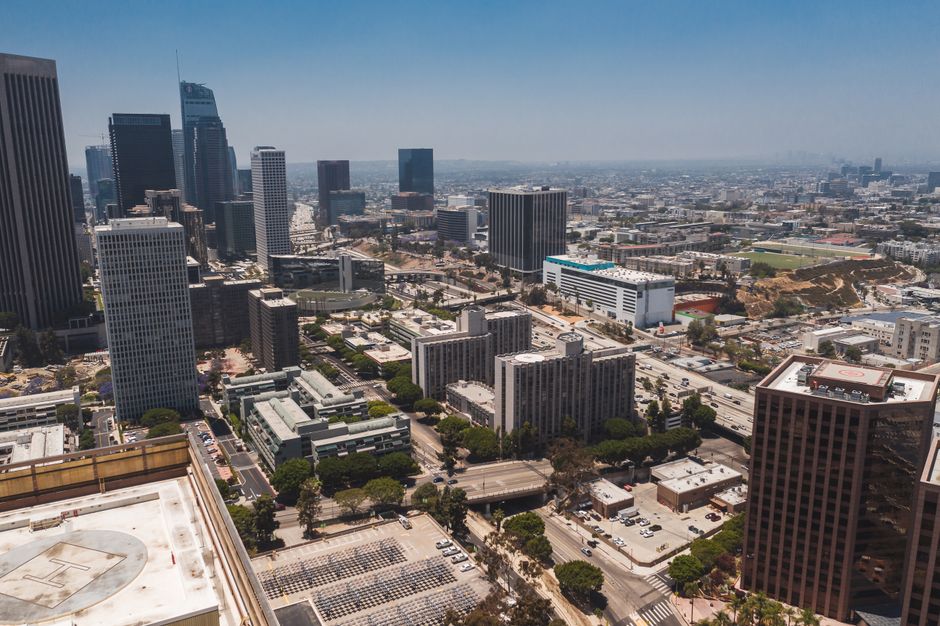
The startup ecosystem stretching from Playa Vista to Santa Monica has long thrived on a simple formula: global capital, borderless talent, and audacious ambition. That certainty is fracturing. Recent geopolitical turmoil—from escalating Middle East tensions to immigration crises in multiple regions—is forcing Los Angeles founders to recalibrate how they build companies in 2026.
The ripple effects are already visible in real estate markets that define the region's innovation infrastructure. Commercial office vacancy rates in Playa Vista's tech corridor now hover near 16 percent, according to local commercial brokers, up from 11 percent two years ago. Landlords along Washington Boulevard are offering concessions to retain tenants worried about a potential talent drain. Meanwhile, companies seeking smaller footprints are pivoting toward shared workspace options in Culver City and Arts District locations—cheaper, more flexible alternatives as funding rounds tighten.
Venture capital flows tell the story most clearly. Los Angeles-based early-stage investors report a 23 percent decline in cross-border funding commitments in the first half of 2026 compared to the same period last year, according to interviews with local VC firms. The hesitation stems not from pessimism about Los Angeles innovation, but from geopolitical calculus: international limited partners are reassessing risk exposure. A venture capitalist at a prominent Westwood-based firm noted that LP commitments from Europe and Asia-Pacific regions have slowed notably, even as domestic capital remains relatively available.
Talent acquisition—the lifeblood of any tech startup—is equally complicated. Companies built on recruiting top engineers from visa sponsorship pools are facing longer immigration processing timelines. Some startups in the Playa Vista cluster are quietly expanding remote work arrangements to retain foreign nationals who cannot easily return to the U.S., effectively creating distributed teams split across time zones. It's a costly workaround.
Yet Los Angeles startups are adapting. Several companies are deliberately narrowing their international ambitions, focusing instead on the domestic market where geopolitical risk is lower. Others are deepening relationships with strategic partners in Mexico and Canada—closer, more stable markets for testing products and building supply chains.
The broader lesson is sobering: Los Angeles's competitive edge as a global innovation hub has always depended on an open system. When that system closes—through visa restrictions, capital controls, or regional instability—even the most innovative Westside startup feels the pressure. The question for the next 18 months is whether the city's ecosystem can maintain its momentum while operating in a fundamentally more fragmented world.
This article was compiled by AI and screened before publishing. See our editorial standards.