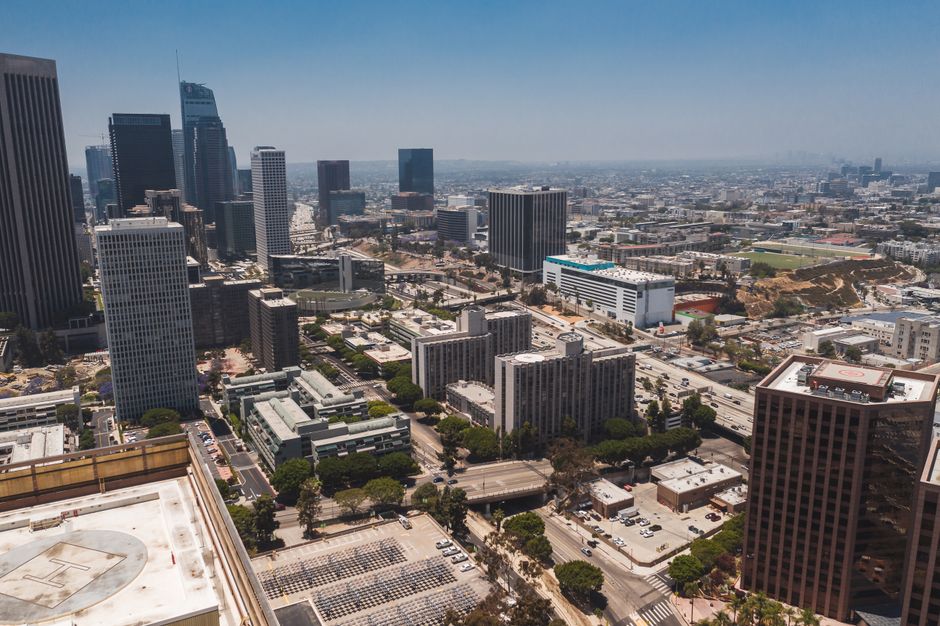
The Los Angeles retail and hospitality landscape is undergoing a significant recalibration. Six months into 2026, operators across Downtown, Santa Monica, West Hollywood, and emerging neighborhoods like Arts District are grappling with a confluence of pressures that demand immediate strategic attention.
Labor costs remain the most pressing challenge. California's minimum wage now sits at $16.50 statewide, but Los Angeles County employers are increasingly offering $18–$20 per hour to retain skilled staff—particularly in management and kitchen roles. Restaurant operators report that wage inflation has compressed margins by 3–5 percentage points compared to 2024. Meanwhile, health insurance and benefits obligations continue climbing, forcing many mid-sized establishments to reconsider staffing models or menu pricing.
Consumer behavior has shifted noticeably. Foot traffic to traditional shopping districts along Melrose and The Grove has plateaued, while quick-service and delivery-focused concepts are thriving. Data suggests that approximately 34% of LA diners now expect online ordering capabilities, up from 22% in 2023. Establishments without robust digital infrastructure—from reservation systems to mobile payments—are losing competitive ground.
Rent pressures are reshaping geography. Prime retail on Rodeo Drive and around Staples Center command premium prices, but savvy operators are relocating to secondary corridors in Silver Lake, Echo Park, and Long Beach, where leases average 20–30% lower while foot traffic remains substantial. Several established Santa Monica venues have downsized or closed in the past 18 months, citing unsustainable occupancy costs exceeding 10% of revenue.
Supply chain volatility, though improved from 2022–2023 levels, continues to create friction. Food costs fluctuate monthly, making fixed-price menus risky. Forward-thinking hospitality groups are locking in longer supplier contracts and diversifying sourcing to insulate against disruption.
Finally, the consumer spending environment has become bifurcated. Luxury hospitality venues in Beverly Hills and West Hollywood report steady demand from high-net-worth clientele, while mainstream casual dining faces headwinds as middle-income consumers pull back discretionary spending. Successful operators are either doubling down on premium positioning or building accessible, value-oriented offerings—the middle ground is increasingly untenable.
For LA's hospitality sector, adaptation is not optional. Businesses that invest in staff retention, embrace digital transformation, optimize real estate strategy, and remain agile on pricing will navigate 2026's challenges. Those that don't risk obsolescence in a market that rewards innovation and operational excellence.
This article was compiled by AI and screened before publishing. See our editorial standards.