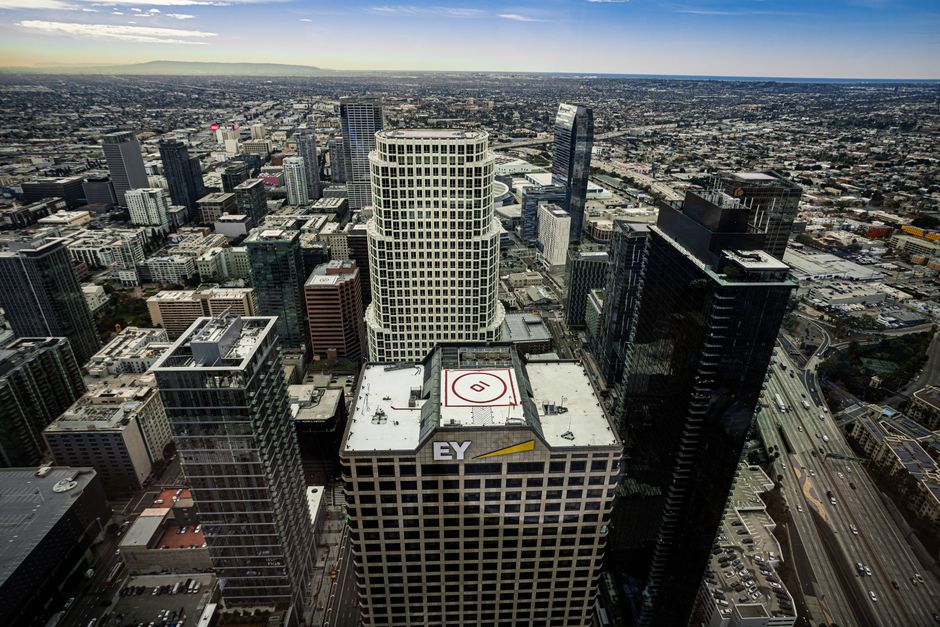
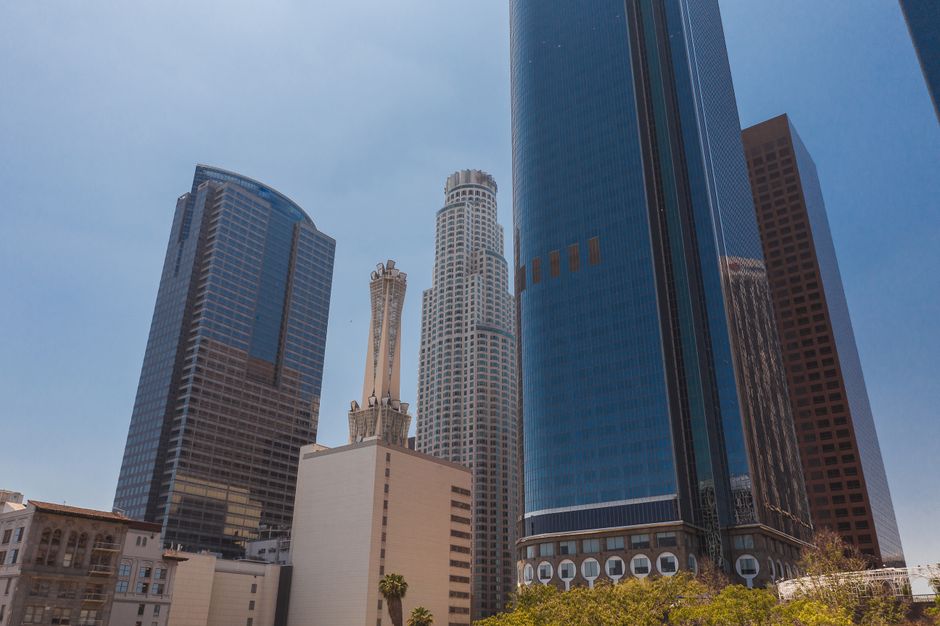
Walk into any upscale coffee shop along Melrose Avenue or the Financial District near Bunker Hill, and you'll hear the same anxious refrain: the investment landscape that powered Los Angeles wealth creation for decades is fundamentally broken.
The challenge facing LA's affluent investors this year is not a single crisis, but rather a convergence of headwinds that has upended assumptions about real estate appreciation, stock market resilience, and inflation-adjusted returns. Home prices in Brentwood and Pacific Palisades, which peaked at stratospheric levels in 2024, have plateaued and begun softening. Meanwhile, interest rate volatility—swinging between 4.8% and 5.2% on conventional mortgages—has created paralysis among the investor class that typically drives property transactions across the Westside.
"The traditional leverage play that built wealth here for thirty years doesn't work when carrying costs exceed rental yields," explains the reality facing many portfolio managers at the major wealth advisory firms clustering around Downtown LA's financial corridor. A median home price of $732,000 across Los Angeles County, combined with property tax assessments and rising insurance premiums, has fundamentally altered investment mathematics. For investors accustomed to 7-8% annual appreciation, current expectations have collapsed toward 2-3%.
The broader investment picture compounds these local pressures. Geopolitical tensions affecting global markets, combined with cryptocurrency volatility that has created a bifurcated investor class, have fractured the consensus that once dominated country club conversations from Hancock Park to the Hollywood Hills. For middle-to-upper-class Angelenos—those with $500,000 to $2 million in liquid assets—the divergence between alternative investments and traditional vehicles has become paralyzing.
Financial services firms are reshuffling strategies accordingly. The move toward private equity placements, international diversification, and unlisted securities reflects a scramble to find returns elsewhere, since LA real estate no longer delivers them reliably. Meanwhile, younger wealth inheritors are questioning whether maintaining multi-property portfolios across Santa Monica, Silverlake, and the San Fernando Valley makes financial sense when carrying costs exceed income generation.
Rising costs across every asset class—from luxury retail space on Rodeo Drive to commercial real estate on Wilshire Boulevard—have compressed margins for alternative investment strategies. For a city whose identity became intertwined with real estate appreciation and venture capital wealth, 2026 represents a painful reckoning with structural market shifts that no amount of optimism can reverse.
The question facing LA's investment class is no longer how to maximize returns, but how to preserve capital in an environment where traditional wealth-building vehicles are delivering single-digit gains.
This article was compiled by AI and screened before publishing. See our editorial standards.