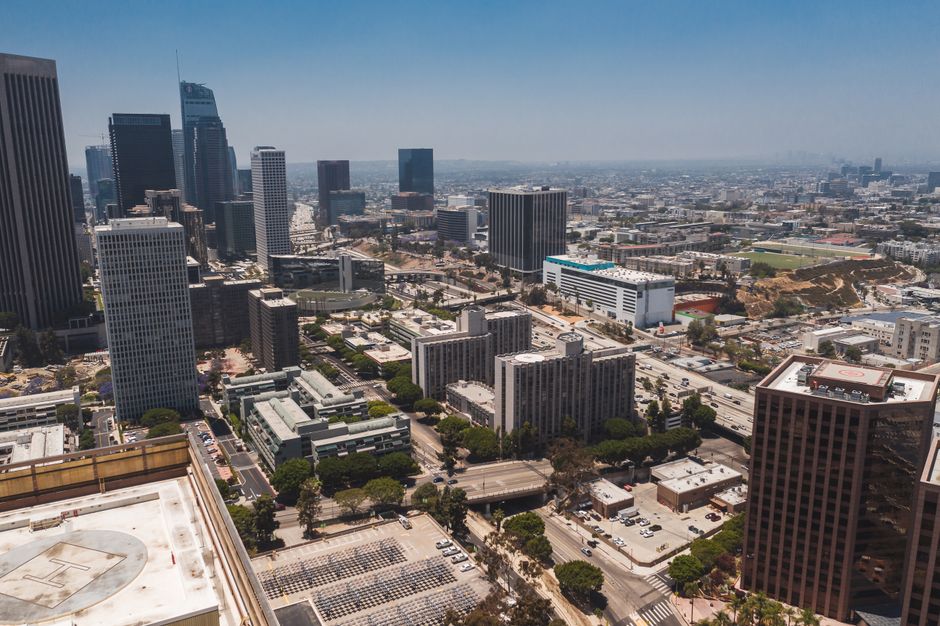
Los Angeles's employment landscape is undergoing a notable recalibration heading into the second half of 2026, with businesses across Downtown, Santa Monica, and the San Fernando Valley grappling with labor shortages, wage inflation, and a talent pool increasingly scattered across remote and hybrid arrangements.
The latest data paints a complex picture. Unemployment in the Los Angeles-Long Beach-Anaheim metropolitan area has hovered near 4.2 percent, slightly above the national average, yet specific sectors tell a different story. Technology and professional services firms—particularly those clustered around the Playa Vista and Santa Monica corridors—are competing fiercely for engineers and product managers, with base salaries for mid-level tech roles now regularly exceeding $140,000, compared to roughly $120,000 three years ago.
Manufacturing and logistics, traditional employment pillars in Long Beach and the surrounding ports region, are stabilizing after years of volatility. Yet supply chain companies report persistent difficulty filling specialized positions, particularly in data analytics and warehouse automation roles, where candidates command premium compensation packages.
The hospitality and entertainment sectors, which employ hundreds of thousands across Los Angeles County, continue recovering from pandemic disruptions. Hotels along Wilshire Boulevard and in West Hollywood are actively hiring, though many establishments report wage pressures—particularly among housekeeping and front-of-house staff—as workers increasingly seek positions with better benefits and scheduling predictability.
For business owners, several trends demand attention. First, remote work persistence is reshaping recruitment geography. Companies no longer compete only with local rivals; they're bidding against employers nationwide. Second, benefits packages matter more than salary alone—health coverage, mental wellness programs, and flexible schedules increasingly determine whether candidates accept offers or walk away.
Third, training and development have become competitive advantages. Firms investing in upskilling existing employees, particularly in digital transformation and automation, report better retention rates and stronger internal promotion pipelines. This is especially critical as businesses across Los Angeles accelerate digital transitions.
The real estate sector—a significant employment generator along the Westside and Downtown—is also reshaping its workforce, with commercial brokerages and development firms seeking professionals comfortable with hybrid client management and increasing regulatory complexity around zoning and sustainability standards.
Small and mid-sized businesses report the tightest squeeze. While large corporations can absorb wage increases through scale and operate sophisticated talent acquisition programs, local enterprises on Melrose Avenue, in Koreatown, and across the Eastside are struggling to compete for entry-level and mid-career talent against well-funded tech companies and established corporations.
Looking ahead, businesses should expect continued wage pressure, sustained remote work flexibility demands, and a persistent need for workers with technology and analytical skills. Those who proactively address workplace culture, professional development, and competitive compensation will navigate this market most successfully.
This article was compiled by AI and screened before publishing. See our editorial standards.