LA Office Market Shifts: Vacancy Rises, Rents Stabilize Amid Hybrid Work
As hybrid work reshapes demand, vacancy rates climb and rents stabilize—here's what entrepreneurs and established firms need to know before their next lease decision.
As hybrid work reshapes demand, vacancy rates climb and rents stabilize—here's what entrepreneurs and established firms need to know before their next lease decision.
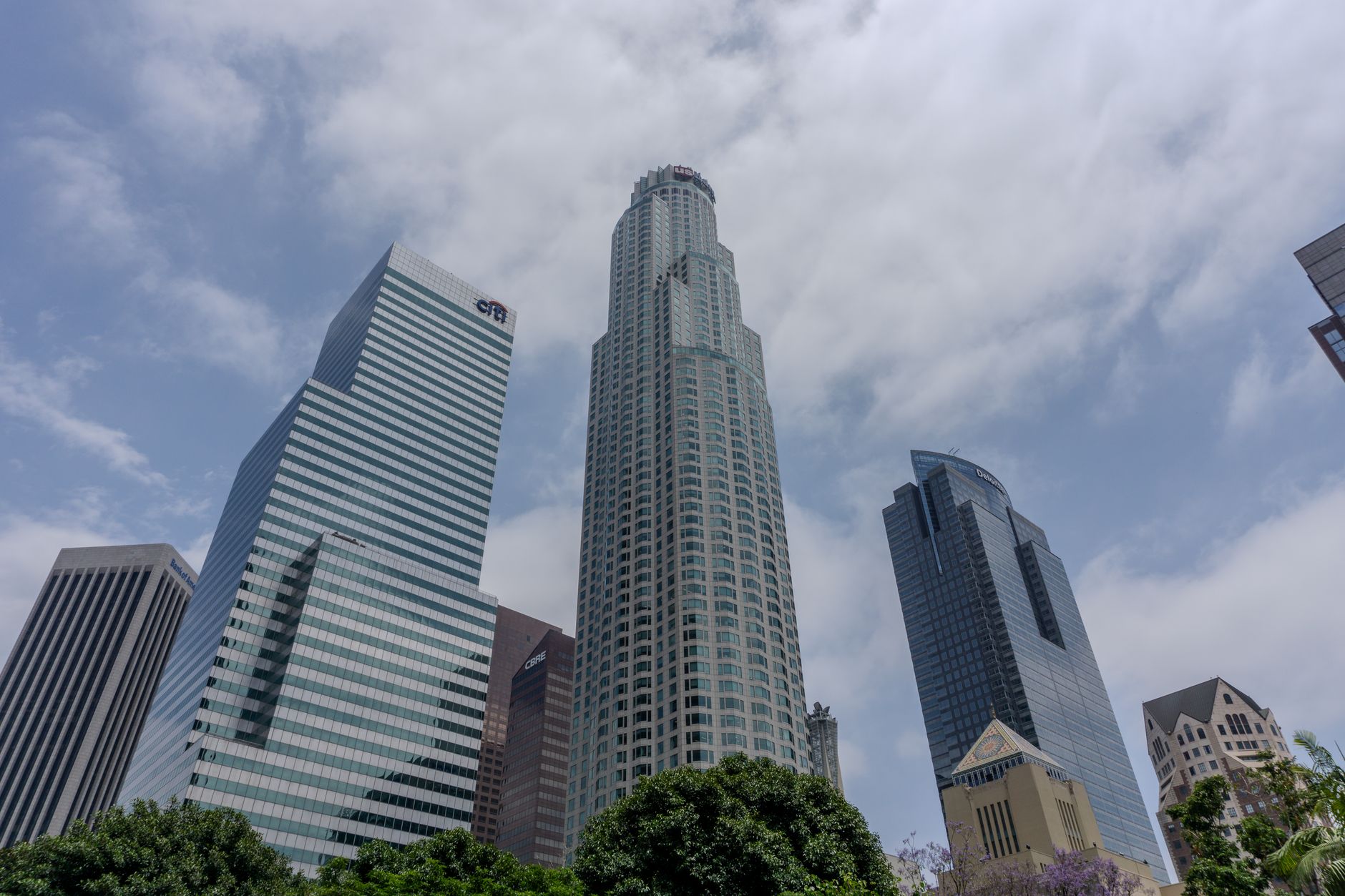
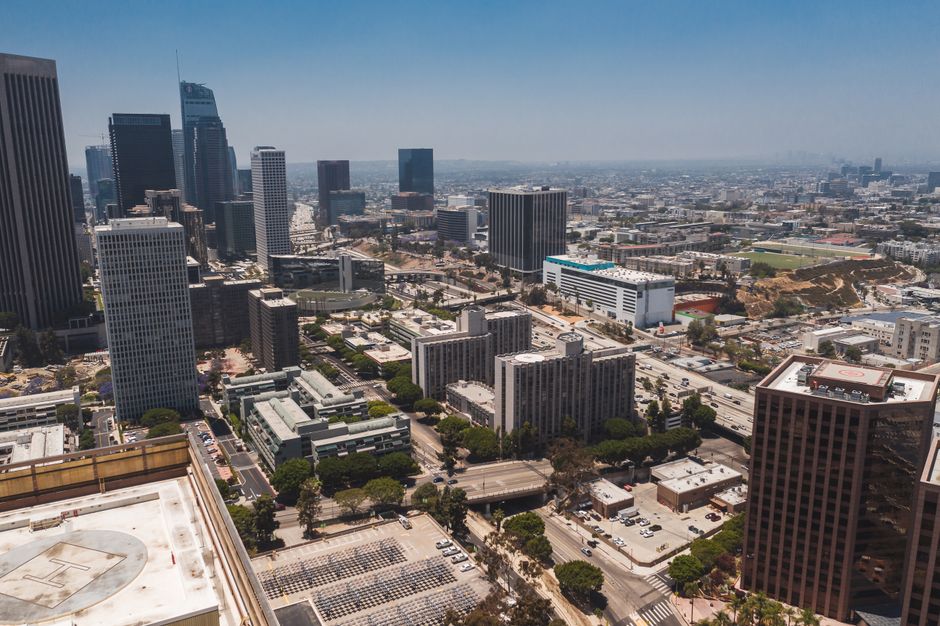
Los Angeles's commercial real estate market has entered a critical phase. After years of pandemic-driven uncertainty and the subsequent office rebound, the city's business real estate landscape is settling into a new equilibrium—one that fundamentally favors tenants and demands strategic thinking from business leaders planning their next move.
The numbers tell a cautionary tale for landlords but present opportunity for pragmatic companies. Downtown Los Angeles office vacancy rates have climbed to approximately 18 percent, the highest in over a decade, according to recent market analyses. Westside markets, traditionally the premium play for tech and entertainment firms, are showing similar pressures. Meanwhile, asking rents in Century City and the Wilshire Corridor—once hotspots for expansion—have plateaued or declined modestly from their 2024 peaks, hovering around $4.50 to $5.50 per square foot annually depending on location and building class.
This shift reflects a brutal truth: hybrid work is now permanent business infrastructure, not temporary pandemic adjustment. Companies aren't returning to pre-2020 office footprints. A mid-sized firm that occupied 50,000 square feet on Flower Street five years ago might comfortably function in 35,000 today. That structural demand reduction isn't reversing.
But context matters tremendously in Los Angeles. While office demand softens broadly, neighborhood dynamics diverge sharply. Hollywood and the surrounding creative districts remain relatively resilient, as entertainment production continues anchoring space needs there. Playa Vista's tech cluster—home to major media and aerospace operations—maintains tighter availability, though even these neighborhoods have seen landlord concessions increase: free rent periods, tenant improvement allowances, and flexible lease terms are now standard negotiating points rather than exceptions.
For businesses evaluating their real estate strategy right now, several tactical considerations emerge. First, negotiate aggressively. Landlords holding empty trophy towers downtown face mounting pressure; your leverage hasn't been this strong in years. Second, consider unconventional spaces. Adaptive reuse buildings—particularly those converted from industrial warehouses in the Arts District or South Los Angeles—offer character, flexibility, and often better economics than traditional corporate parks. Third, location specialization matters more than ever. Generic office space in secondary markets is struggling; location-specific appeal is essential.
The era of automatic office expansion is over. Companies that misread this inflection—that lock into long-term, overscaled leases at premium rates—risk significant financial drag. Those moving deliberately, willing to renegotiate existing commitments, and open to hybrid-work-optimized spaces will find themselves operating from positions of significant advantage in a market finally calibrating to reality.
This article was compiled by AI and screened before publishing. See our editorial standards.
How does this story make you feel?
Spread the word
About this article
Published by The Daily Los Angeles
Daily brief
Free, in your inbox before 7am. Weekdays.
More in Business