Los Angeles job growth has stuttered to a halt in recent months, with unemployment ticking up to 5.2% in May—above the national average and a warning sign for a region that has long positioned itself as America's economic engine. Yet beneath these headline figures lies a more nuanced story about where investment dollars are actually flowing and what that means for workers across the city.
The clearest picture emerges from venture capital activity in the Westside tech corridor and Downtown LA's emerging innovation district. Despite broader economic uncertainty, early-stage funding in AI and biotech companies headquartered along the Santa Monica Boulevard corridor and in the Arts District has remained relatively resilient, with Q2 2026 seeing $2.3 billion in venture commitments across Southern California—down from the prior year but still substantial. This suggests investors view LA as a long-term bet, even as they've become more selective about which sectors deserve capital.
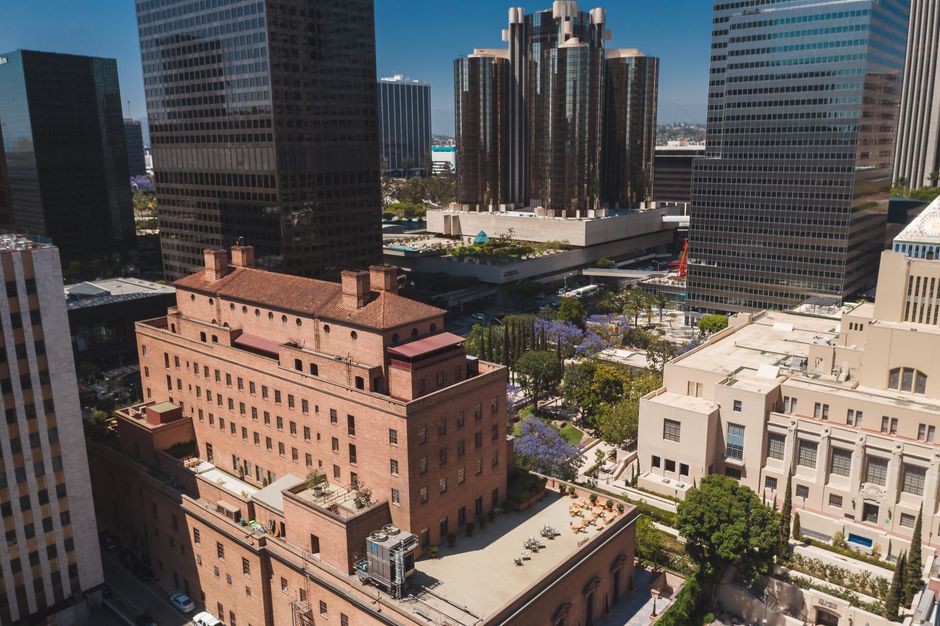
Real estate provides another crucial economic indicator. Commercial leasing in Downtown LA's financial district has weakened considerably, with Class A office vacancy rates hovering near 18%—the highest in a decade. Meanwhile, industrial and logistics properties along the 710 corridor in Long Beach and Vernon command premium rents, reflecting the region's enduring strength in trade and supply chain management. The divergence tells us that traditional corporate office work is being displaced by hands-on, logistics-intensive operations.
Employment data from the Port of Los Angeles reinforces this trend. The port added 2,400 jobs in 2025, even as downtown office workers faced involuntary separations. Average wages at port-related positions—$68,000 annually—outpace the service sector median of $42,000, suggesting that quality job creation is happening in specific geographic pockets, not uniformly across the city.
Construction employment paints perhaps the starkest picture. Major projects like the LA28 Olympic preparations and the ongoing Metro expansion have slowed hiring expectations, with union electricians and laborers reporting longer stretches between job placements. Developer activity in neighborhoods like Koreatown and along the Sunset Boulevard commercial corridor has frozen mid-cycle, signaling that property investors are reassessing return projections.
For ordinary Angelenos, the implication is clear: the jobs that exist increasingly cluster in specific sectors and locations. Someone seeking work in Downtown's legal and financial services faces a tightening market. Someone with logistics or port operations experience has multiple employers competing for their skills. The city's employment landscape is stratifying not just by wage, but by geography and industry specialization.
Understanding where capital actually flows—not where headlines suggest it should—remains the most reliable guide to LA's economic future.
This article was compiled by AI and screened before publishing. See our editorial standards.