Reading the Tea Leaves: How Global Investment Flows Shape LA's Economic Future
Understanding foreign direct investment patterns and trade metrics reveals why Los Angeles remains a crucial hub for international capital—and where the risks lie.
Understanding foreign direct investment patterns and trade metrics reveals why Los Angeles remains a crucial hub for international capital—and where the risks lie.
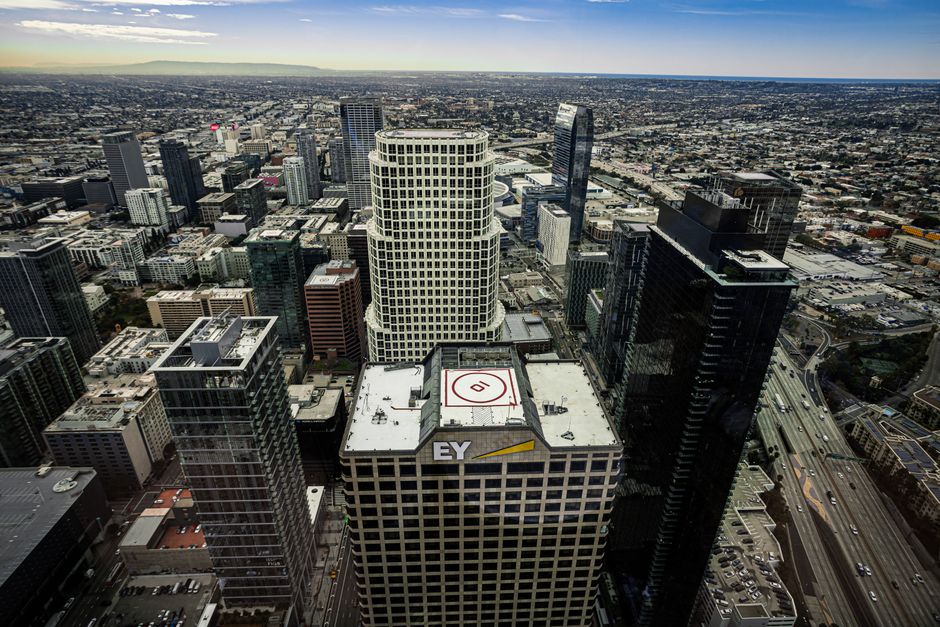
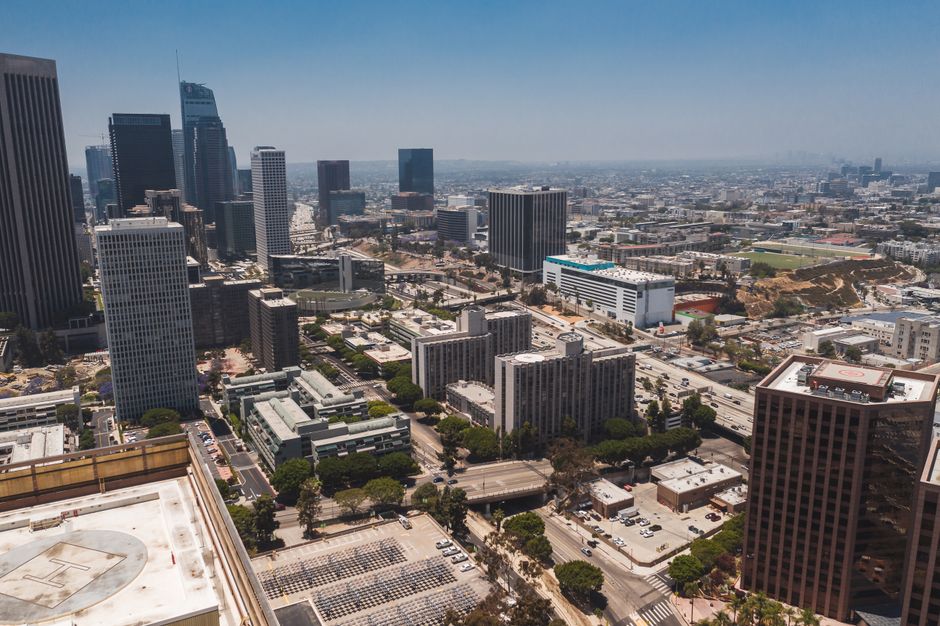
Walk through the Financial District on Flower Street and you'll see the physical manifestation of global capital flows: gleaming office towers where investment managers track flows of billions in real-time. But for most Angelenos, the mechanics of how international trade shapes local prosperity remain opaque. Yet understanding these economic indicators has never been more crucial—or more volatile.
Los Angeles received approximately $18.3 billion in foreign direct investment last year, according to regional economic data, with significant portions flowing into logistics, entertainment, and technology sectors. That figure matters because each dollar of foreign investment typically generates additional local spending: construction contracts at the Port of Los Angeles, office leases in Downtown LA, and service sector employment across the region. When Chinese investors pull back—as some data suggests they're doing—those ripple effects resonate through Santa Monica offices and Long Beach warehouses alike.
The Port of LA, handling roughly 9 million containers annually, serves as a physical barometer for trade sentiment. Container volumes and shipping costs reflect global demand. When cargo throughput drops, it signals weakening international commerce. Conversely, surging volumes drive trucking demand and warehouse expansion across the Inland Empire. These aren't abstract figures—they translate directly to jobs and commercial real estate values.
Currency fluctuations represent another crucial indicator investors track obsessively. When the dollar strengthens, American exports become pricier for foreign buyers, potentially dampening demand for goods flowing through LA's ports. A weakened dollar, meanwhile, makes US goods more competitive internationally but increases costs for imported materials—something manufacturers in Southern California's industrial zones feel immediately.
Trade deficits and tariff policies create the regulatory environment affecting whether international companies establish regional headquarters in Pasadena or elsewhere. Policy uncertainty has already influenced corporate location decisions: some Asian firms have delayed LA-based expansion plans, opting instead for alternative US markets perceived as more stable.
Interest rates set by the Federal Reserve indirectly influence foreign investment flows. Higher US rates attract capital seeking better returns, boosting investment in real estate and commercial ventures. Lower rates do the opposite. This explains why real estate cycles in Century City and Santa Monica often correlate with Fed policy changes.
For LA's long-term competitiveness, monitoring these indicators matters as much as watching local employment numbers. Global capital remains mobile—companies choosing whether to invest here versus Singapore, Mexico City, or elsewhere based on these macro signals. Understanding what drives those decisions is essential for anyone tracking Southern California's economic trajectory.
This article was compiled by AI and screened before publishing. See our editorial standards.
How does this story make you feel?
Spread the word
About this article
Published by The Daily Los Angeles
Daily brief
Free, in your inbox before 7am. Weekdays.
More in Business