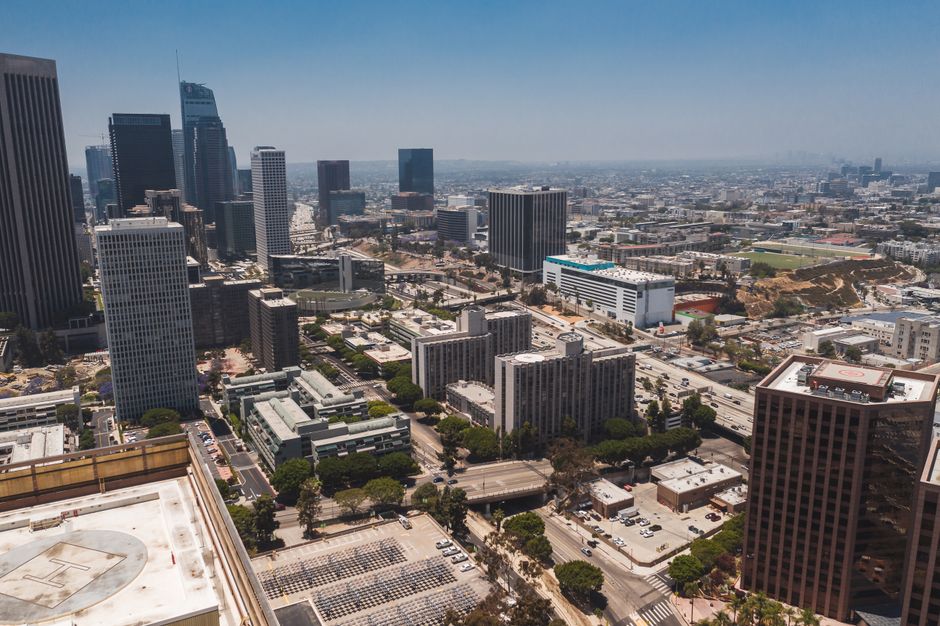
Los Angeles's startup ecosystem has quietly become one of the nation's most aggressive job creators, but the transformation comes with real consequences for residents who don't work in tech. Understanding what's happening in emerging innovation districts—and why it matters—is essential for anyone living or working in this city.
The numbers tell a striking story. Downtown LA's arts district and the stretches along the 110 corridor have seen commercial rents climb 18-24% over the past two years as venture capital firms, software companies, and biotech startups cluster near transit hubs and talent pools. Santa Monica's entrepreneurial corridor, anchored by companies operating near the Expo Line, has absorbed over $2.3 billion in venture funding since 2023, according to regional investment tracking. Meanwhile, the Pasadena tech corridor near Cal Tech has become a serious competitor for aerospace and clean-energy startups.
For residents, this creates a two-speed economy. Tech workers—especially engineers and product managers—command salaries 40-60% above Los Angeles's median household income of $71,000, driving up demand for housing near job centers. This pushes residential rents higher even in neighborhoods with no direct tech presence. A one-bedroom apartment in Los Feliz, miles from any major innovation district, now averages $2,100 monthly—a 12% increase year-over-year, partly fueled by spillover demand from nearby tech workers.
But there are secondary effects worth tracking. New innovation districts attract infrastructure investment: improved bus rapid transit on Wilshire Boulevard, bike lane expansion near the Playa Vista tech corridor, and parking reforms in Downtown's Arts District. These benefit everyone, not just workers in the sector. Conversely, rapid commercial development has strained parking availability and increased traffic on the 10 and 110 freeways during rush hours.
Job creation, though concentrated in tech, does ripple outward. Service workers, construction crews, and commercial real estate professionals benefit from ecosystem growth. Yet wages in these supporting roles haven't kept pace with either tech salaries or housing cost increases, creating affordability pressure for lower-income residents.
The practical takeaway: LA's startup boom isn't abstract. It's reshaping where you can afford to live, how you commute, and what neighborhoods look like five years from now. The innovation districts will likely continue expanding—particularly along transit corridors and near universities. Residents should monitor zoning changes, infrastructure proposals, and displacement policies in their neighborhoods, especially in areas like Mid-City and Vernon, which are becoming targets for future development.
This article was compiled by AI and screened before publishing. See our editorial standards.