How Global Instability Is Reshaping What L.A. ...
From supply chain disruptions to currency fluctuations, small business owners across Los Angeles are adapting their strategies as international tensions ripple through local markets.
From supply chain disruptions to currency fluctuations, small business owners across Los Angeles are adapting their strategies as international tensions ripple through local markets.
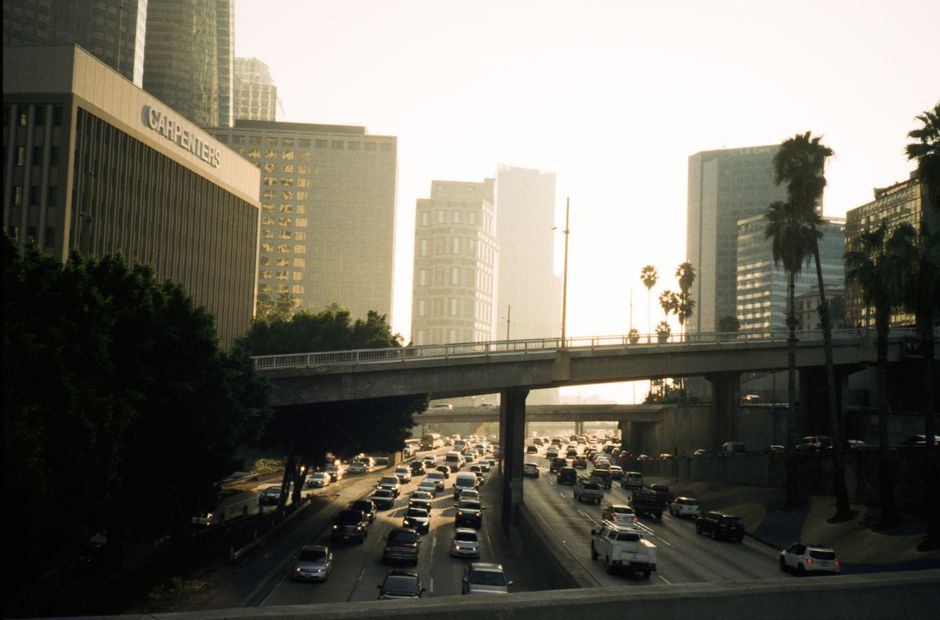
Maria Chen stands in her Downtown Los Angeles fabric warehouse on San Pedro Street, examining rolls of textiles that now cost 18 percent more than they did eighteen months ago. Her import business, which supplies boutique designers across the Arts District and beyond, faces a familiar challenge: global instability is no longer a distant abstraction. It's a direct hit to her bottom line.
Chen's experience reflects a broader reality for Los Angeles's small business ecosystem. The city's economy—built on international trade, tourism, and diverse immigrant entrepreneurship—sits at the intersection of global volatility. Recent geopolitical tensions, from Middle Eastern standoffs affecting shipping routes to South American crises impacting agricultural imports, have created cascading effects that local business owners cannot ignore.
The Port of Los Angeles, which handles roughly 30 percent of U.S. container traffic, has seen freight costs fluctuate wildly. A container that cost $2,000 in early 2025 now runs $2,400 to $2,800 depending on origin. For small importers in the Fashion District and along Washington Boulevard's wholesale corridor, these swings can mean the difference between profitability and loss.
Currency volatility compounds the problem. Many L.A. entrepreneurs source from Venezuela, Pakistan, and other regions currently experiencing instability. When local currencies collapse, supplier costs spike unpredictably. Ricky Flores, who operates a electronics retail business in Koreatown, says his sourcing costs from one region jumped 22 percent in three weeks due to currency devaluation.
Yet some entrepreneurs are turning disruption into opportunity. Service providers—logistics consultants, customs brokers, and supply chain advisors—report surging demand along Flower Street's financial corridor and in Pasadena's emerging tech hub. Companies helping small businesses navigate tariffs, find alternative suppliers, or optimize inventory are expanding hiring.
The tourism sector tells another story. International visitor numbers to Los Angeles dropped 8 percent year-over-year, according to preliminary data from the Los Angeles Tourism & Convention Board. Hotels, restaurants on the Santa Monica Pier promenade, and retail shops around The Grove are adjusting pricing strategies and promotional spending.
Smart entrepreneurs are diversifying. Chen is developing domestic supplier relationships while maintaining international connections. Others are pivoting toward serving Los Angeles's large diaspora communities—the Afghan restaurants thriving in Westwood, Venezuelan bakeries in Lincoln Heights—which remain resilient regardless of headlines.
The message is clear: in Los Angeles, global headwinds are local business challenges. Entrepreneurs who monitor international developments, build flexibility into operations, and diversify supply chains are the ones who'll thrive in 2026.
This article was compiled by AI from the sources linked above and screened before publishing. See our editorial standards.
How does this story make you feel?
Spread the word
About this article
Published by The Daily Los Angeles
Daily brief
Free, in your inbox before 7am. Weekdays.
More in Business