What Every LA Resident Needs to Know About Your Money Right Now
As inflation pressures persist and investment returns shift, here's what financial experts say everyday Angelenos should understand about protecting their wallets.
As inflation pressures persist and investment returns shift, here's what financial experts say everyday Angelenos should understand about protecting their wallets.
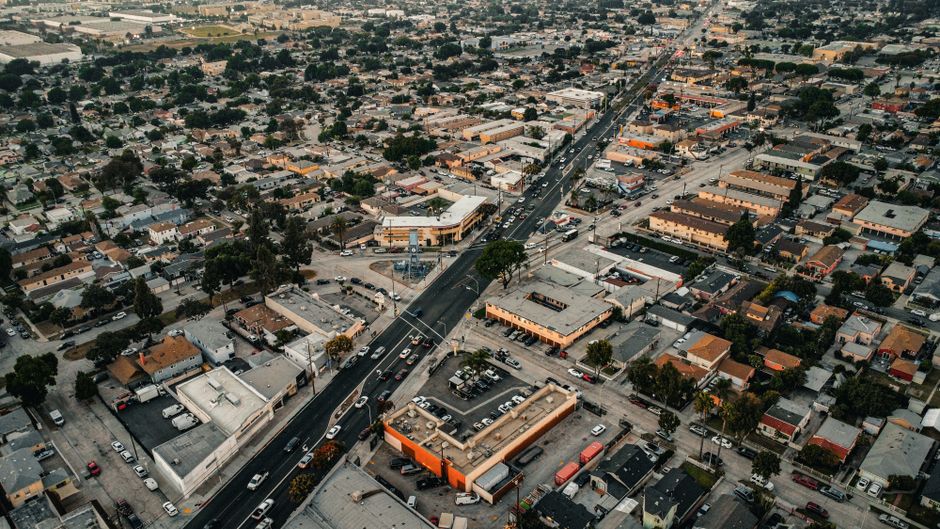
Walking down Melrose Avenue or grabbing coffee in Silver Lake, most Los Angeles residents aren't thinking about macroeconomic policy. But the decisions being made in boardrooms and government offices are reshaping how far your paycheck stretches and where your savings should go.
The cost of living in Los Angeles remains stubbornly elevated. A modest one-bedroom apartment in Mid-City averages $2,100 monthly—roughly 35% higher than the national median. Groceries at Whole Foods in West Hollywood or Ralph's in Santa Monica run 12-15% above national averages. These aren't abstractions; they're monthly realities for the 3.8 million people living in LA County.
What's changed dramatically since 2024 is how investment returns are distributed. While stock market volatility has moderated, the gap between returns available to large institutional investors and what everyday savers can access through traditional savings accounts remains significant. A high-yield savings account offering 4.5% annual returns sounds appealing until you realize inflation is still eroding purchasing power at roughly 3% annually.
For renters in neighborhoods like Echo Park or Downtown LA, the implications are tangible. Building emergency savings has become even more critical as housing costs consume an outsized portion of household budgets. Financial advisors emphasize that three to six months of expenses in liquid savings is no longer optional—it's essential when a single unexpected repair or job disruption can spiral into homelessness in America's second-largest city.
Real estate investment, traditionally Los Angeles's wealth-building engine, presents a different picture in 2026. Property values in established neighborhoods from Hancock Park to Studio City have stabilized after rapid appreciation, making them less attractive as speculative investments while remaining viable long-term holds for owner-occupants.
The broader message from financial professionals serving the LA market is straightforward: understand what you don't understand. Whether it's your 401(k) allocation, the real interest rate on credit cards, or how inflation affects retirement planning, ignorance has costs. Free financial counseling resources through organizations like the Jewish Family Service of Los Angeles or community centers across the city can demystify basic concepts without requiring a business degree.
For everyday residents managing careers in entertainment, tech, or services—Los Angeles's economic pillars—the fundamental rule remains unchanged: live below your means, diversify your income if possible, and regularly review whether your money is working as hard as you are. In a city where income inequality is stark and cost of living is unforgiving, financial literacy isn't a luxury—it's a survival skill.
This article was compiled by AI from the sources linked above and screened before publishing. See our editorial standards.
How does this story make you feel?
Spread the word
About this article
Published by The Daily Los Angeles
Daily brief
Free, in your inbox before 7am. Weekdays.
More in Business


