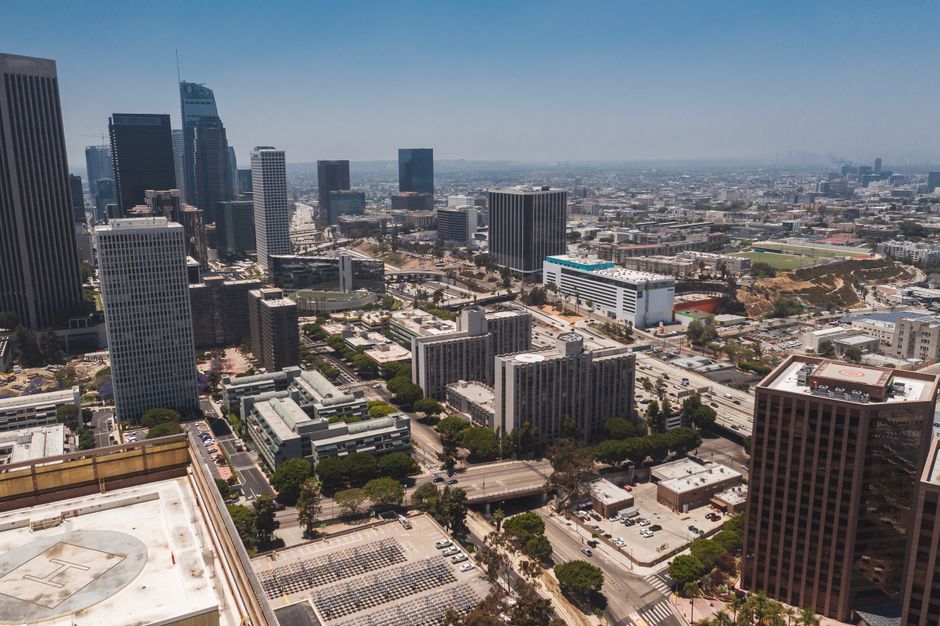
Los Angeles is experiencing a tourism renaissance that extends far beyond the traditional Hollywood Walk of Fame circuit. Fresh data shows international arrivals to Los Angeles County reached 2.8 million visitors in the first half of 2026—a 34 percent jump from the same period last year—with average hotel rates climbing to $187 per night, according to the LA Tourism & Convention Board. For savvy entrepreneurs and established hospitality operators, the moment represents a rare convergence of opportunity.
The revival is reshaping neighborhoods across the city. In Arts District, formerly overlooked industrial blocks along Santa Fe Avenue have become destination hubs. Boutique hotels and experiential travel companies are moving in aggressively. The Row DTLA, a luxury hotel that opened on South Main Street two years ago, reports 91 percent occupancy rates this quarter—a significant lift from the 72 percent baseline typical before 2024. "We're seeing repeat bookings from international clientele who want to explore beyond the typical tourist corridor," said a spokesperson for the property.
The broadening appeal has benefited mid-market operators most visibly. The Kimpton Hotel Wilshire, which rebranded its Mid-Wilshire location as a tech-forward, sustainability-focused property, has captured an unexpected surge in younger international travelers seeking alternatives to West Hollywood's crowded scene. Room rates there have increased 18 percent year-over-year, yet occupancy hasn't suffered.
Beyond accommodation, tour operators and cultural institutions are capturing increased spending. The Griffith Observatory reports 2.1 million visitors annually now, up from 1.4 million in 2019. The Natural History Museum of Los Angeles County expanded weekend hours to accommodate demand, while Sunset Boulevard's restaurant and entertainment venues report average check sizes up 22 percent among international diners.
Not every operator is thriving equally. Smaller, independently owned boutique hotels in neighborhoods like Los Feliz and Silver Lake—lacking the capital for rapid repositioning or digital marketing investments—report more modest gains. Conversely, aggregators and platform-based tour companies, including both established players and newer startups using dynamic pricing models, have seen the steepest revenue increases.
The influx is also creating friction. Short-term rental operators in West Hollywood and Koreatown face renewed scrutiny as city officials weigh housing concerns against tourism tax revenue. Yet for now, the calculus strongly favors expansion. Travel analysts project LA will welcome 3.2 million international visitors by year-end 2026, with hospitality spending potentially exceeding $18 billion annually—a watershed moment for businesses positioned to capture demand.
This article was compiled by AI from the sources linked above and screened before publishing. See our editorial standards.