As LA Rents Plateau, Smart Money Pivots to Emerging Neighborhoods—Here's Who's Already Winning
After years of explosive growth, savvy investors and developers are finding fresh opportunity in overlooked corridors while established hot spots cool.
After years of explosive growth, savvy investors and developers are finding fresh opportunity in overlooked corridors while established hot spots cool.
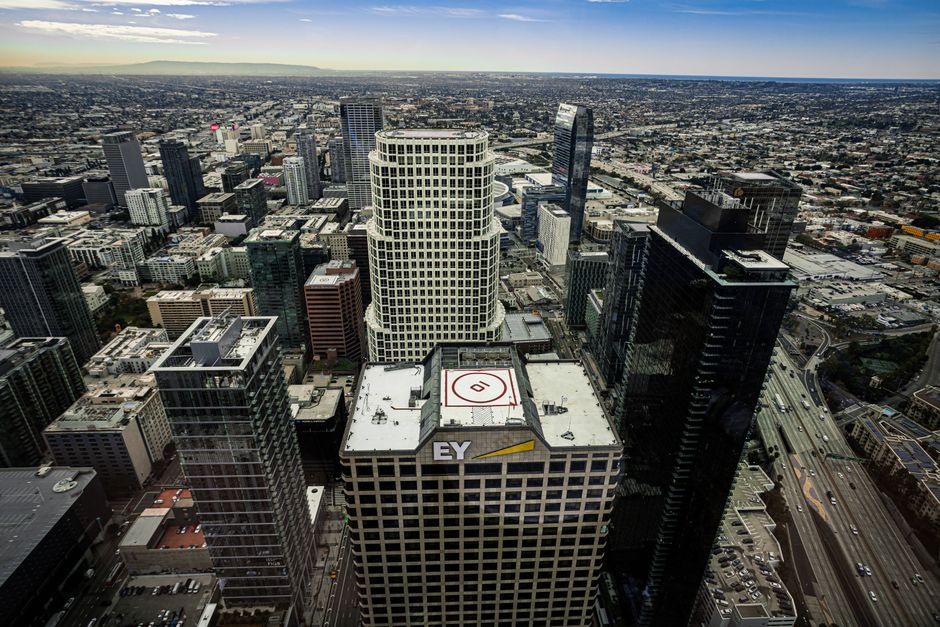
Los Angeles's legendary housing shortage has produced an unexpected consequence: for the first time in nearly a decade, premium neighborhoods are seeing rent stabilization, creating a window of opportunity for those willing to look further afield.
Data from CoStar shows that in West Hollywood and Santa Monica, median rents have essentially flatlined year-over-year, hovering around $3,200 for a one-bedroom. Meanwhile, neighborhoods like Lincoln Heights, Boyle Heights, and the Arts District—historically overlooked by mainstream investment—are attracting serious capital. A two-bedroom in Lincoln Heights now commands $2,400 monthly, up from $1,950 two years ago, yet still significantly undervalued relative to comparable square footage in adjacent areas.
This shift is already benefiting a specific class of investor. Institutional players like Bluerock Residential Growth and smaller, nimble development firms are acquiring properties along North Broadway and in the Arts District, betting on infrastructure improvements and demographic shifts. The completion of the Regional Connector Transit Project, which connects the Gold Line to downtown via the Arts District, has accelerated this calculus.
Small-to-medium landlords operating older apartment buildings in these corridors are experiencing unexpected leverage. A property owner holding a 12-unit complex on Mariachi Plaza in Boyle Heights told The Daily LA they've seen inquiries from three institutional buyers in the past eighteen months—something unthinkable five years ago. Rising construction costs and restrictive zoning in Westside neighborhoods have made repositioning existing stock more economically sensible than ground-up development.
Yet this opportunity remains lopsided. Renters in emerging neighborhoods face displacement risk as rents accelerate toward market rates. Community organizations like the Coalition LA have documented displacement concerns in Boyle Heights, where gentrification pressures intensify annual rent increases of 5-7 percent.
For cost-conscious professionals and young families, however, the dynamics present relief. A software engineer priced out of Silver Lake five years ago can now afford a renovated loft in the Arts District at comparable pricing to mid-tier neighborhoods. Co-working spaces like Spaces and collaborative studios have proliferated along Alameda Street, attracting remote workers seeking affordability without sacrificing urban amenities.
The opening of the Grand Central Market expansion and retail anchoring along Broadway reflects confidence that these neighborhoods have crossed an inflection point. Whether this transition benefits existing residents or primarily accelerates displacement remains the central tension defining Los Angeles's next chapter of urban evolution.
This article was compiled by AI from the sources linked above and screened before publishing. See our editorial standards.
How does this story make you feel?
Spread the word
About this article
Published by The Daily Los Angeles
Daily brief
Free, in your inbox before 7am. Weekdays.
More in Business


