How a Downtown LA Hotelier Is Reshaping the City's Tourism Game
As visitor numbers rebound, one entrepreneur's boutique approach is proving that authenticity and community engagement drive the modern travel economy.
As visitor numbers rebound, one entrepreneur's boutique approach is proving that authenticity and community engagement drive the modern travel economy.
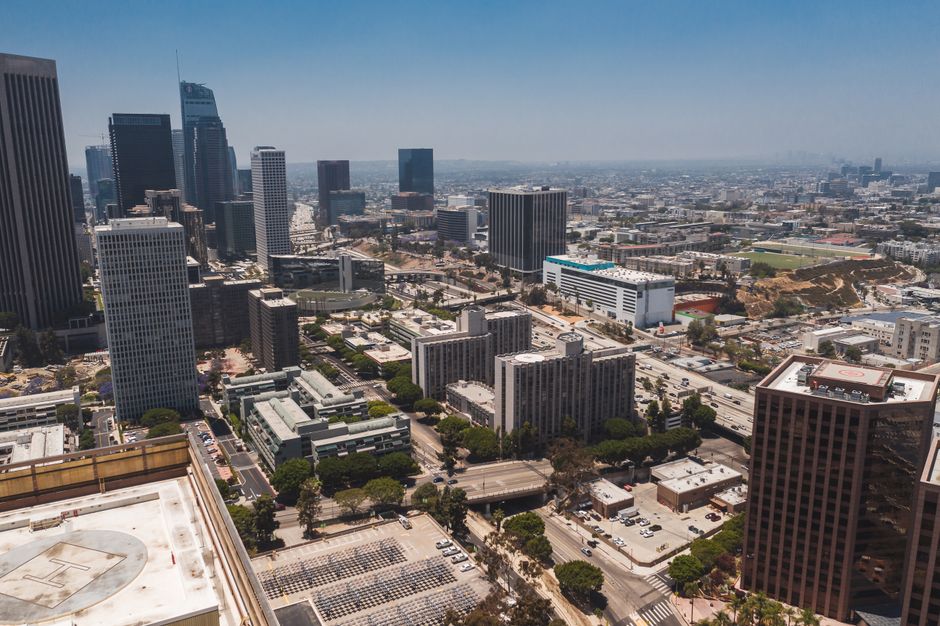
Los Angeles welcomed 8.7 million visitors last year, a figure that underscores the city's enduring appeal as a global destination. Yet behind those headline numbers sits a less obvious story: the growing influence of independent hospitality operators who are challenging the dominance of major chains and redefining what it means to host travelers in a city as complex and multifaceted as LA.
In the Arts District, where brick warehouses and galleries line the streets around East 4th and Traction Avenue, one such entrepreneur has built a hospitality concept that blends local culture with visitor experience in ways that are capturing attention from industry peers and attracting a new demographic of travelers. Rather than betting solely on luxury amenities or mass-market appeal, this operator has invested in deep partnerships with neighborhood artists, restaurants, and cultural institutions—creating an ecosystem that benefits both guests and the community they visit.
The model reflects a broader shift in tourism economics. According to the Los Angeles Tourism and Convention Board, travelers increasingly seek "authentic experiences" over generic accommodations. That translates into demand for properties that highlight local music venues, farm-to-table dining from nearby restaurants, and curated walking tours through neighborhoods like Silver Lake and Los Feliz rather than repetitive downtown hotel corridors.
The financial impact is measurable. Independent hospitality operators in LA's core neighborhoods report average occupancy rates around 78 percent, compared to the 72 percent citywide average, with room rates often commanding a premium of 15-20 percent over comparable chain hotels. More significantly, these properties drive spending beyond the hotel itself: guests are more likely to eat at neighborhood restaurants, shop at local retailers, and attend cultural events.
What distinguishes this entrepreneur's approach is systematic collaboration. By embedding staff training programs with community colleges, sourcing furnishings from local artisans, and actively promoting neighborhood events to guests, the operation has created a feedback loop that strengthens the district economically while enhancing the visitor experience.
The trajectory matters as Los Angeles looks toward the 2028 Olympics, an event expected to draw nearly 10 million visitors. While major infrastructure investments capture headlines, it's the independent operators—the ones who understand their neighborhoods deeply and see tourism as an opportunity for community building rather than extraction—who may ultimately shape how visitors remember the city.
In a tourism market worth billions annually to LA's economy, that authenticity is becoming a competitive advantage worth far more than thread count or proximity to the 405.
This article was compiled by AI from the sources linked above and screened before publishing. See our editorial standards.
How does this story make you feel?
Spread the word
About this article
Published by The Daily Los Angeles
Daily brief
Free, in your inbox before 7am. Weekdays.
More in Business


