What LA Residents Need to Know About How Tourism Is Reshaping Your Neighborhood
As visitor spending tops $28 billion annually, locals face higher prices, crowded streets, and transformed communities—here's what's actually changing.
As visitor spending tops $28 billion annually, locals face higher prices, crowded streets, and transformed communities—here's what's actually changing.
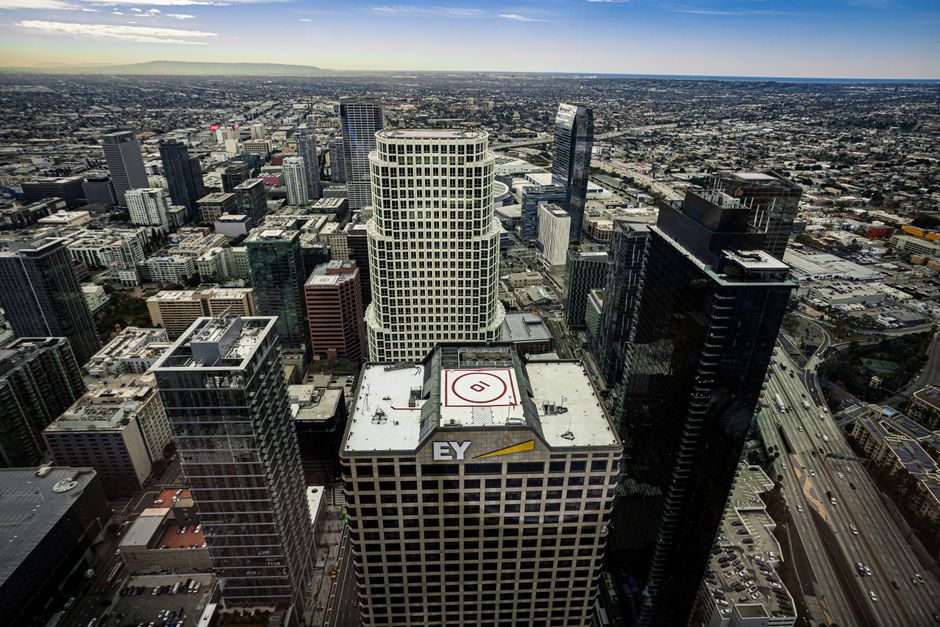
Los Angeles welcomed 50 million visitors last year, and that tourism boom isn't just filling hotel lobbies—it's reshaping how your city functions, what things cost, and how you experience everyday life in your own neighborhood.
The numbers are staggering. The LA Tourism & Convention Board reports the visitor economy generated $28.3 billion in spending in 2025, supporting over 400,000 jobs. That sounds positive in the abstract. The practical reality? Residents navigating Santa Monica Boulevard or browsing The Grove shopping mall increasingly find themselves competing for space and services with tourists, and paying accordingly.
Housing pressure is real. Short-term rental platforms have converted residential units across Echo Park, Los Feliz, and Silver Lake into quasi-hotels, reducing long-term rental inventory and pushing prices higher. A studio that might have rented for $1,600 five years ago now commands $2,100 or more, partly because owners can earn $150-200 per night through vacation rental platforms.
Restaurants and attractions in heavily trafficked areas—say, along Hollywood Boulevard or near the Griffith Observatory—have shifted their business models toward tourist volume rather than neighborhood loyalty. Many have raised prices 15-25% above comparable establishments just a few blocks away. A casual dinner that costs $35 per person on Hollywood Boulevard might be $22 in a parallel neighborhood without foot traffic.
But there's a flip side residents should understand: tourism tax revenue funds infrastructure, arts programming, and fire department operations. In 2024, transient occupancy taxes (hotel taxes paid by visitors) generated roughly $630 million for the city. That money supports libraries, parks, and public safety—services you use daily.
The challenge is balance. Areas like Downtown LA and Long Beach have successfully integrated visitor economies with residential vitality by creating mixed-use developments where hotels coexist with affordable housing and community spaces. Other neighborhoods haven't managed that equilibrium, becoming seasonal tourist zones rather than livable communities.
Here's what matters for your wallet and neighborhood: understand where visitor pressure is highest (Hollywood, Venice, Santa Monica), anticipate price premiums in those zones, and recognize that your city's global appeal has real costs and real benefits. The $28 billion flowing into LA's economy affects parking availability, restaurant reservations, and street congestion—facts worth acknowledging as you navigate your own city.
The visitor economy isn't leaving. The question is whether Los Angeles can sustain tourism growth without sacrificing the livability that makes it attractive to residents in the first place.
This article was compiled by AI from the sources linked above and screened before publishing. See our editorial standards.
How does this story make you feel?
Spread the word
About this article
Published by The Daily Los Angeles
Daily brief
Free, in your inbox before 7am. Weekdays.
More in Business


