LA's Office Market Faces Perfect Storm of Headwinds in 2026
Rising interest rates, remote work permanence, and tenant flight are creating a challenging landscape for commercial property investors across the region.
Rising interest rates, remote work permanence, and tenant flight are creating a challenging landscape for commercial property investors across the region.
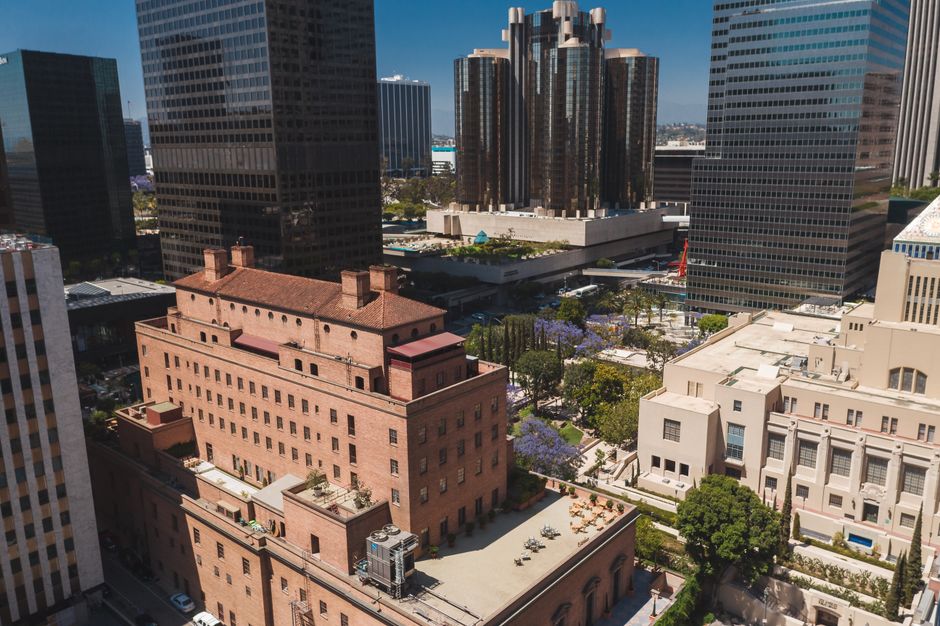
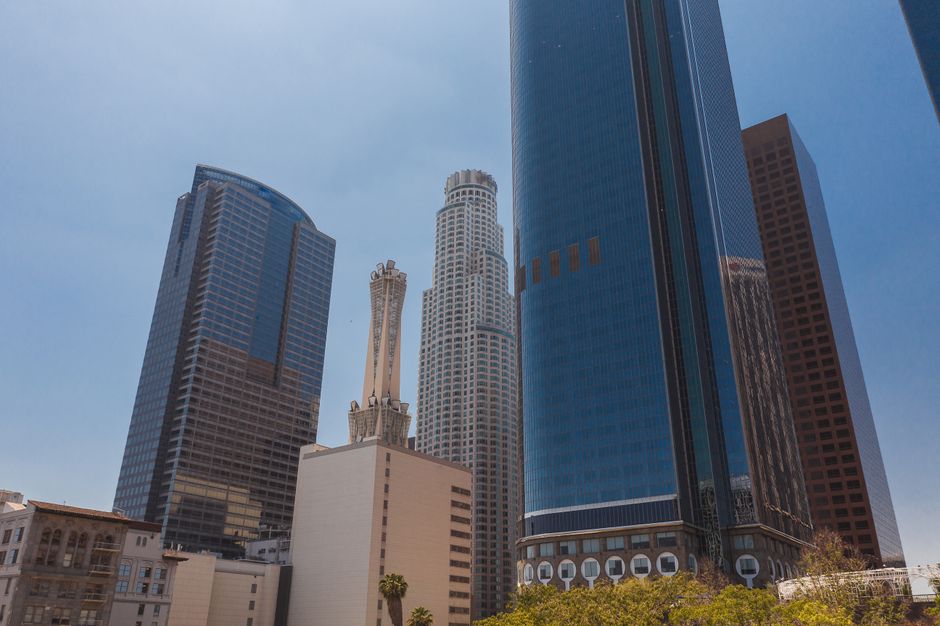
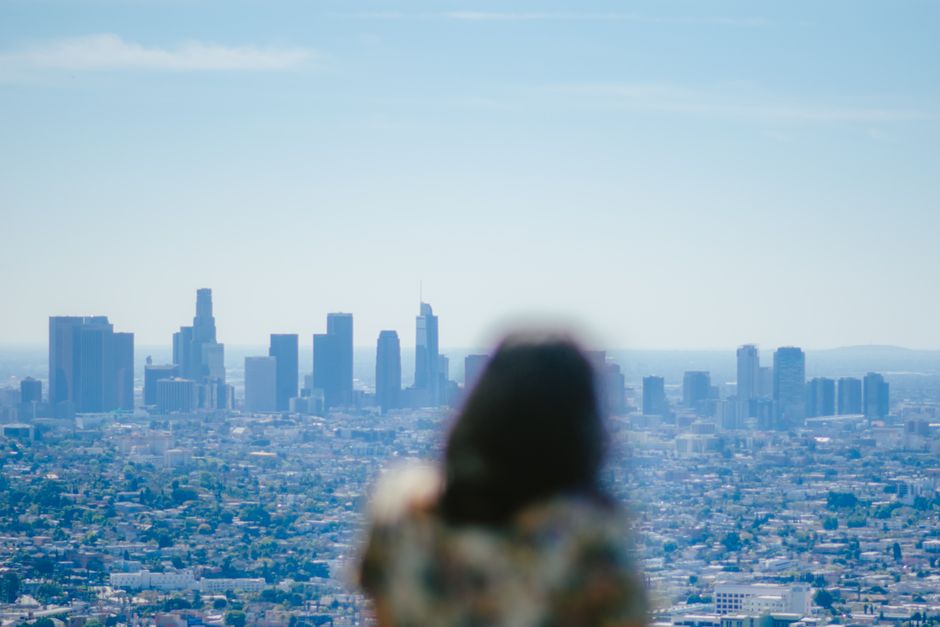
Los Angeles's commercial real estate sector is confronting a convergence of structural challenges that show little sign of abating as 2026 progresses. The downtown office market, once a symbol of the city's financial dynamism, has become emblematic of broader industry headwinds that are reshaping investment strategies and vacancy rates across the metropolitan area.
The numbers tell a sobering story. Downtown LA's office vacancy rate has climbed to approximately 19% this quarter, with average asking rents hovering around $28 per square foot annually—a marked decline from the pre-pandemic highs of the early 2020s. The situation is equally dire in secondary markets: Westwood's financial corridor and the Santa Monica business district are experiencing double-digit vacancy rates, while landlords on Wilshire Boulevard report increasingly difficult lease renewals.
Remote work adoption has fundamentally altered tenant demand. Major corporations that once anchored Class A towers—particularly in the Bunker Hill and financial districts—have consolidated operations or adopted hybrid models that require significantly less physical space. One prominent entertainment company recently declined to renew its full floor at a prestigious Broadway corridor building, citing permanent remote capabilities for its accounting division.
Rising interest rates continue to compress property valuations. Cap rates for trophy office assets have expanded to 5.5-6%, making acquisition economics challenging for institutional investors who enjoyed compressed spreads just two years ago. This has created a difficult environment for landlords seeking to refinance maturing debt or sell properties at acceptable prices.
The Mid-Wilshire corridor and Los Angeles's emerging tech hubs in Silver Lake and Arts District are experiencing relatively stronger demand, suggesting that location quality and tenant mix matter more than ever. Adaptive reuse projects—converting aging office space into residential or mixed-use developments—have become increasingly attractive to developers, particularly given residential demand in central LA neighborhoods.
Leasing brokers report that tenants now demand unprecedented flexibility: shorter lease terms, expansion optionality clauses, and enhanced amenities to justify office occupancy. Building owners are responding with aggressive tenant improvement allowances and rent concessions, further pressuring net operating income across the sector.
The structural shift appears durable. Industry analysts suggest that sustainable demand will likely settle at 15-20% below pre-pandemic levels, implying a permanent recalibration of the metropolitan office market. For investors positioned in quality assets with strong tenant bases, the outlook remains manageable; for marginal properties in secondary locations, 2026 presents a year of difficult decisions and potential distressed sales.
This article was compiled by AI from the sources linked above and screened before publishing. See our editorial standards.
How does this story make you feel?
Spread the word
About this article
Published by The Daily Los Angeles
Daily brief
Free, in your inbox before 7am. Weekdays.
More in Business