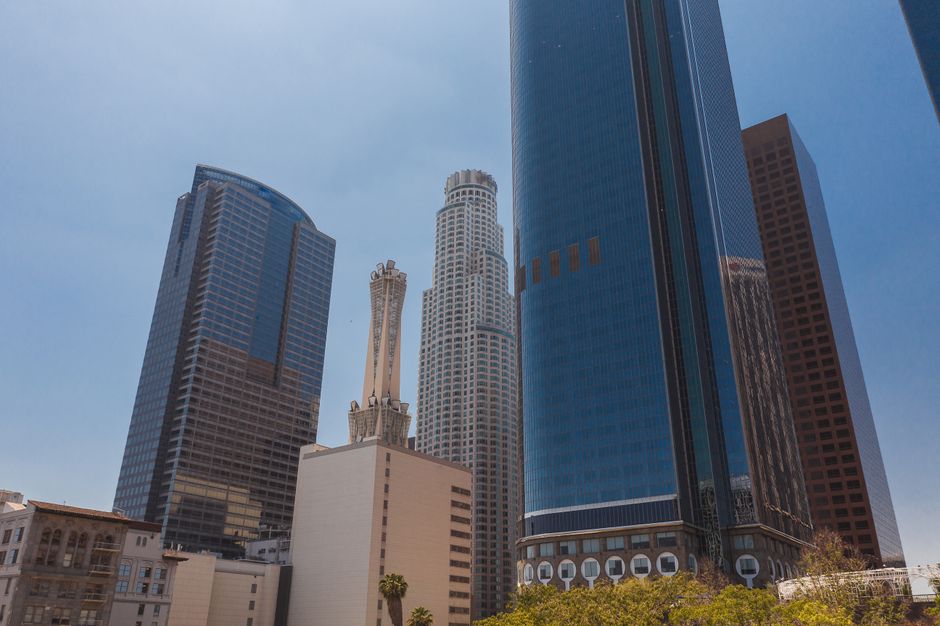
Los Angeles's commercial real estate market is sending mixed signals that savvy business leaders can't ignore. While downtown revitalization efforts continue to attract tech startups and creative firms, the real story unfolding across Greater LA is one of bifurcated opportunity—and significant risk for those not paying attention to emerging trends.
Class A office space in Koreatown and the Wilshire Corridor is now commanding $4.50 to $5.25 per square foot monthly, according to recent market analysis, marking a 12% increase year-over-year. Meanwhile, retail establishments along Melrose Avenue and in Santa Monica's Third Street Promenade are reassessing their footprints as foot traffic patterns shift post-pandemic. The question haunting investors: Is this sustainable, or a temporary spike before correction?
For entrepreneurs, the answer depends on sector. Technology and media companies continue absorbing premium rents near the Creative Industries cluster around Hollywood and Burbank, betting on talent proximity and ecosystem benefits. But traditional retail operators are migrating eastward—toward Arts District and Downtown LA—where per-square-foot costs remain 30-40% lower than comparable Westside locations. Fashion and food-service brands are particularly active in this arbitrage play.
The broader consumer cost-of-living picture adds urgency. A family of four in LA requires approximately $145,000 annually to maintain a middle-class lifestyle, up nearly 8% from 2024. This compression is directly impacting discretionary spending, which business owners are tracking closely. Foot traffic data from major shopping districts shows consumers are trading down, choosing discount retailers over premium brands and pulling back on non-essentials.
For investors considering entry points, the consensus among local commercial brokers points toward selective opportunism. The San Fernando Valley—particularly areas near Burbank and Studio City—presents untapped potential as remote-work arrangements permanently reduce demand for massive central office complexes. Industrial and logistics real estate near the ports remains robust, with e-commerce demand supporting 3.8% annual growth.
What's critical right now: businesses must stress-test assumptions about customer spending power and operational costs. Rising insurance premiums, energy costs, and labor expenses are compressing margins across sectors. Those planning expansion should focus on defensible niches—health services, affordable housing-adjacent retail, industrial logistics—rather than betting on renewed consumer exuberance.
LA's market remains dynamic, but momentum is cooling. Businesses that acknowledge this shift rather than fighting it will position themselves advantageously as 2026 unfolds.
This article was compiled by AI from the sources linked above and screened before publishing. See our editorial standards.