LA's Commercial Real Estate Faces New Headwinds: What Businesses Must Know About Mid-Year Market Shifts
Rising interest rates and changing tenant demands are reshaping investment calculus across Downtown, Santa Monica, and the Westside.
Rising interest rates and changing tenant demands are reshaping investment calculus across Downtown, Santa Monica, and the Westside.
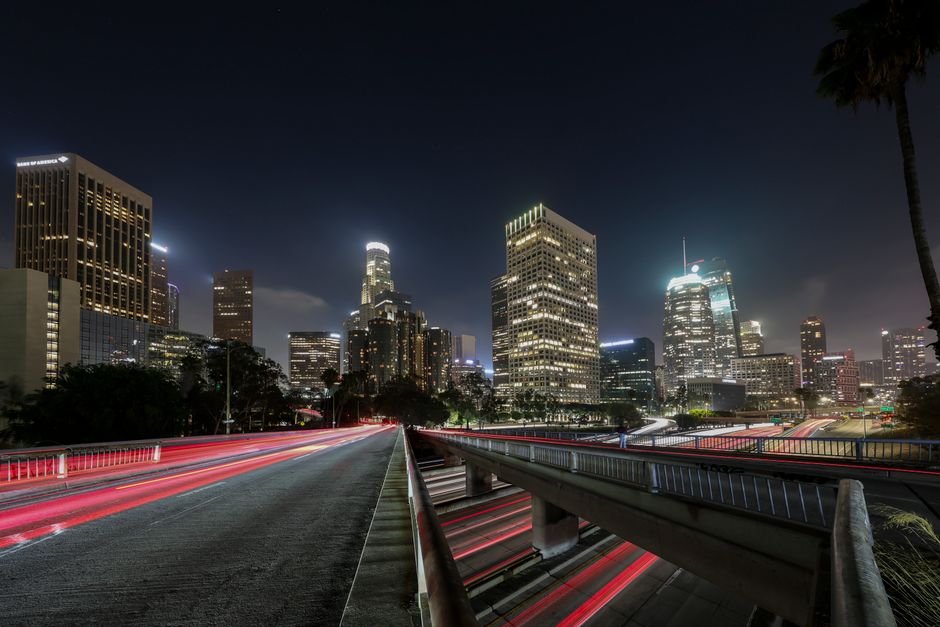
Los Angeles's commercial real estate market is sending mixed signals as we cross the midpoint of 2026, forcing investors and business leaders to reassess their positioning in a landscape that looks markedly different from eighteen months ago.
The most pressing concern for downtown LA office owners involves persistent vacancy rates hovering near 22 percent, particularly in the Bunker Hill and Financial District corridors. Meanwhile, trophy assets along Wilshire Boulevard in Westwood and Century City command premium rents—currently averaging $6.50 to $7.25 per square foot monthly—yet tenant retention remains choppy. Tech companies that rapidly expanded in 2023-24 are now consolidating footprints, leaving landlords scrambling to attract replacement tenants in an increasingly hybrid work environment.
Retail presents a more nuanced picture. While traditional brick-and-mortar continues its long decline, experiential retail and mixed-use developments are capturing investor attention. The ongoing revitalization efforts around The Grove and Third Street Promenade show that foot traffic-dependent businesses still thrive when properties offer genuine community value beyond shopping.
For entrepreneurs and mid-market business owners, the cost-of-doing-business calculus has shifted dramatically. Commercial mortgage rates—which hovered around 4.2 percent in early 2024—have climbed back to 6.8 to 7.1 percent, directly impacting expansion plans. A $2 million commercial loan that cost approximately $84,000 annually at 2024 rates now exceeds $136,000 in annual interest payments alone. This matters for anyone considering a new location or refinancing existing debt.
Labor costs compound these pressures. LA's minimum wage now stands at $16.84 per hour—among the nation's highest—while remote-work capabilities have made talent recruitment both easier and more competitive. Businesses operating in Santa Monica and on the Westside face even steeper labor expenses, with some sectors reporting 15-18 percent year-over-year wage growth.
Investment opportunities do exist for the patient capital deployer. Distressed properties in emerging neighborhoods like Arts District and Downtown's Fashion District remain undervalued relative to their long-term appreciation potential. Industrial real estate in the San Fernando Valley continues performing well, supported by last-mile logistics demands and e-commerce infrastructure needs.
The broader message for LA's business community: traditional expansion models require rethinking. Success increasingly depends on operational efficiency, strategic location selection, and understanding that cost-of-capital fundamentals have permanently shifted. Those who act decisively now—rather than waiting for market certainty—may find themselves best positioned for the post-2027 recovery.
This article was compiled by AI from the sources linked above and screened before publishing. See our editorial standards.
How does this story make you feel?
Spread the word
About this article
Published by The Daily Los Angeles
Daily brief
Free, in your inbox before 7am. Weekdays.
More in Business


